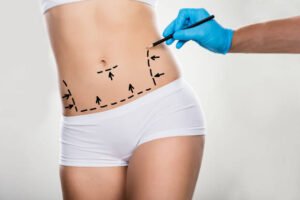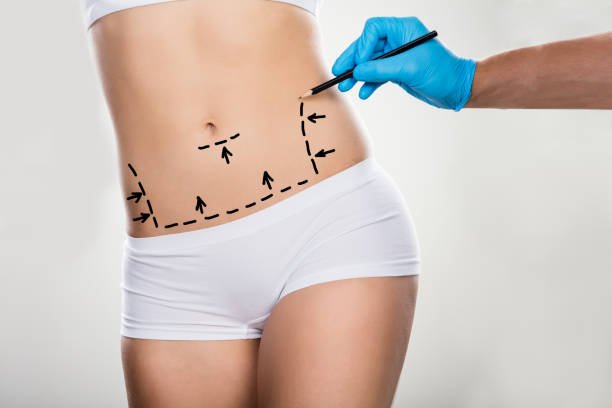
A lower belly that remains loose despite healthy habits can feel frustrating, especially when the concern is limited to the area below the navel. Mini tummy tuck in Abu Dhabi may be an option for people whose main concern is mild to moderate lower abdominal skin laxity. Whether it can help depends on the amount and location of excess skin, muscle condition, general health, and personal goals.
What a Mini Tummy Tuck Addresses
A mini tummy tuck is a surgical procedure focused on the lower abdomen. It generally involves removing a limited amount of excess skin through an incision placed low on the abdomen. The belly button is usually not repositioned, although the exact approach depends on the individual’s anatomy and surgical plan.
The procedure is different from a full tummy tuck, which can address a broader area of the abdomen and may involve more extensive skin removal and muscle repair. A mini procedure is not designed to produce major weight loss or treat every type of abdominal fullness.
Can It Improve Stubborn Lower Belly Skin?
It may improve lower belly skin when the looseness is concentrated below the navel and there is enough excess skin to remove. For someone with a small fold of hanging skin after pregnancy or weight changes, tightening this area may create a smoother lower abdominal contour.
However, the procedure may not be suitable when loose skin extends above the navel, when there is significant abdominal muscle separation, or when fullness is primarily caused by internal fat. A consultation helps determine whether the concern is skin, fat, muscle, or a combination.
Who May Be a Suitable Candidate?
A suitable candidate is generally someone who:
- Has mild to moderate loose skin mainly below the navel.
- Is near a stable, comfortable weight.
- Has realistic expectations about the degree of change.
- Is in good overall health and can safely undergo surgery.
- Does not plan a major weight change or pregnancy in the near future.
These points are general considerations, not a personal assessment. A qualified surgical professional needs to review medical history, examine the abdomen, and discuss goals before recommending any procedure.
Mini Tummy Tuck Versus Full Tummy Tuck
The main difference is the area treated. A mini tummy tuck focuses on the lower abdomen, while a full tummy tuck can address more extensive looseness across the abdomen and may include repositioning the navel.
A mini procedure may involve a smaller treatment area, but it is not automatically the right choice simply because it sounds less extensive. If skin laxity or muscle separation reaches above the navel, a limited approach may not achieve the desired result. The best option is the one that matches the person’s anatomy and aims, rather than the name of the procedure.
What the Procedure May Involve
Before surgery, the surgical team reviews health information, discusses expectations, and explains the proposed plan. The procedure is performed in an appropriate surgical setting, with the type of anesthesia determined by the care team.
The surgeon removes a measured section of excess lower abdominal skin and closes the incision. In some cases, limited muscle tightening may be considered, depending on the findings and the agreed plan. The incision is typically placed low so it can be concealed under many styles of clothing, though its final appearance varies from person to person.
Questions to Discuss Before Deciding
A clear conversation can help someone understand what the procedure can and cannot achieve. Useful questions include:
- Is the looseness limited to the area below the navel?
- Is muscle separation contributing to the abdominal shape?
- Would a mini or full procedure better match the anatomy?
- Where will the incision be placed, and what may the scar look like?
- What preparation and recovery arrangements will be needed?
- When can regular activities be resumed?
The answers should be specific to the individual. A careful assessment is more helpful than relying on general descriptions or comparing results with someone else’s.
Setting Realistic Expectations
A mini tummy tuck can remove a limited amount of loose lower abdominal skin, but it cannot guarantee a perfectly flat abdomen. Skin quality, healing, body shape, and the amount of tissue removed all affect the final contour. The procedure also does not prevent future changes related to pregnancy, aging, or weight fluctuation.
People considering surgery may find it useful to identify what bothers them most and describe their preferred outcome clearly. Honest expectations support better decision-making and help the surgical professional explain whether those goals are achievable.
Frequently Asked Questions
Can a mini tummy tuck fix loose skin above the navel?
It is generally intended for the lower abdomen. If loose skin extends above the navel, a full tummy tuck or another approach may be more appropriate. An in-person assessment can clarify the extent of the concern.
Does a mini tummy tuck remove belly fat?
The main purpose is to address excess skin, not weight loss. Some surgical plans may include limited contouring, but this depends on the person’s anatomy and the professional’s assessment. It is important to ask what is included in the proposed procedure.
Can it address abdominal muscle separation?
In selected cases, limited muscle tightening may be considered. The extent of muscle separation and its location influence whether a mini procedure can address it. A professional examination is needed to determine the suitable approach.
How long does recovery take?
Recovery varies according to the procedure, individual healing, and the nature of daily activities. The surgical team provides guidance about rest, movement, and returning to usual routines. Each person should follow their own instructions rather than assume that recovery will match another person’s experience.
Making an Informed Decision
Mini tummy tuck in Abu Dhabi may help when stubborn lower belly skin is the main concern and the looseness is limited to the area below the navel. It may be less suitable when excess skin is widespread, muscle separation is extensive, or abdominal fullness has another cause. A thorough consultation, realistic expectations, and a clear understanding of the proposed treatment can help someone decide whether this procedure fits their needs.