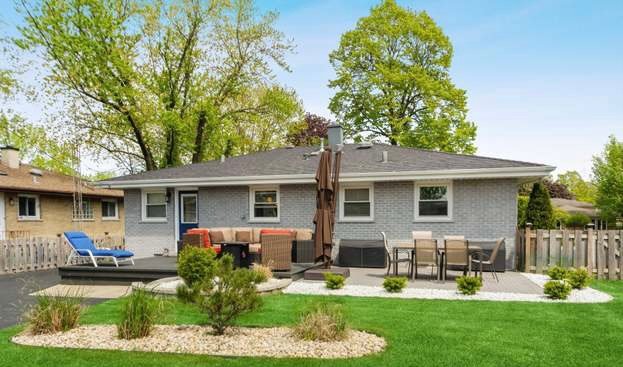
Short answer, yes. You can paint cement fiber board, and honestly most people should. Hardie board comes primed from the factory, but that primer is only meant to protect the boards until the real finish goes on. It’s not your final coat. I see folks leave it bare for a year or two and then wonder why it looks chalky and weird.
If you’re searching for how to paint cement fiber or Hardie board paint choices, you’re in the right spot. I’ll walk through what works, what doesn’t, and where homeowners usually mess up. Some of it is boring prep stuff. Skip it and you’ll pay for it later.
What Is Hardie Board, Anyway?
Hardie board is a fiber cement product. Cement, sand, cellulose fibers, mixed and pressed into planks, panels, and shingles. It doesn’t rot like wood. Bugs don’t care about it. It handles fire better than vinyl or wood, and it holds up in humid climates where other siding gives up.
But it’s porous. That’s the thing people forget. Cement soaks up moisture and it’s alkaline, so whatever you put on it has to be able to handle both. Cheap interior-style paint will peel, blister, or just fade fast. That’s why picking the right product matters way more than picking the right color.
Do You Need to Paint Hardie Board at All?
Not technically, no. The factory primer gives you some protection. But it’s meant to be covered within about 180 days of install, give or take, depending on the manufacturer’s rules. Leave it longer and UV starts breaking it down.
Painting also adds a real moisture barrier, and it’s what gets you the look you want. Plus, most Hardie warranties and paint warranties both assume a proper finish coat gets applied. So if you care about warranty coverage, read the fine print before you do anything. I mean actually read it.

Best Paint for Cement Fiber Siding
Go with 100% acrylic latex exterior paint. That’s the standard answer and it’s the right one. Acrylic stays flexible, so it moves with the boards when temperatures swing. It’s also breathable enough that moisture doesn’t get trapped behind it.
Look for paint labeled for masonry or fiber cement if you can. Sherwin-Williams, Benjamin Moore, and Behr all make good exterior lines, and the pricier ones usually do last longer. A gallon of the good stuff might cost 20 bucks more, but you’re not repainting in five years. Satin or low-sheen finishes work well, since flat can hold dirt and high gloss shows every wavy plank.
Oil-based paint? Skip it. Alkaline surfaces and oil don’t get along, and it’ll crack down the road.
Prep Work Nobody Wants to Do
Here’s the blunt part. Prep is 80 percent of the job. Wash the siding first, with a soft brush and a mild cleaner, or a pressure washer on low. Not high. Too much pressure can damage the surface or force water behind the boards, and that’s a mess you can’t see until it’s too late.
Let it dry fully, usually a day or two. Check the caulk joints, trim, and nail heads. Replace any cracked caulk with a paintable, high-quality exterior sealant. Fill dings with a cement-friendly patching compound. Then, and only then, think about paint.
If you’re working on a house with both siding and brick, handle each surface separately. They don’t take the same products, and mixing up the process leads to headaches.
Primer: Skip It or Don’t?
If the boards are factory-primed and in good shape, you can often go straight to paint, but I’d still spot-prime any scratched or bare areas. If the siding is unprimed, or the old paint is failing, use a quality masonry or alkali-resistant primer first.
A lot of pros push a bonding primer on older boards too. It costs more and takes more time, sure. But it grips better and gives the topcoat something solid to hold on to. Think of it as insurance. Two coats of paint over a good primer beats three coats over nothing.

Brush, Roll, or Spray?
Spraying is fastest and gives the most even coverage, especially on textured boards with that wood-grain pattern. Most pros spray, then back-roll or back-brush to push paint into the surface. That last step is what really helps adhesion.
If you’re doing it yourself, a thick-nap roller and a good angled brush will get it done. It’s slower, but fine. Paint on a dry, mild day. Not in direct blazing sun, not right before rain. Aim for temps between 50 and 85 degrees, and watch the humidity, because damp boards and fresh paint don’t mix.
Where Brick Stain Fits Into the Picture
Lots of homes with Hardie board also have brick accents, a chimney, or a foundation wall. This is where brick stain comes up. Unlike paint, brick stain soaks into the masonry instead of sitting on top, so you keep the natural texture and the brick can still breathe.
Brick stain is great when you want to update tired, faded, or mismatched brick without that thick painted look. It won’t peel since it’s not a film. But it’s also not a miracle, and it won’t hide big color differences completely. Test a small spot first. And keep in mind, brick stain isn’t meant for Hardie siding. Use the right product for the right material. Stain for brick, acrylic paint for fiber cement.
How Long Will It Last, and What Does It Cost?
A solid paint job on fiber cement can last 10 to 15 years, sometimes more. That’s way longer than wood siding, which usually wants attention every five or so. Costs vary a lot depending on your area and house size, but hiring a pro typically runs a few thousand dollars for an average home. DIY cuts that down, but you’ll spend a weekend or three on it.

If you’re getting quotes, ask what prep they include, what paint brand they use, and how many coats. A bid that’s suspiciously cheap usually skips something important. Don’t be shy about asking questions. Good contractors expect them.
Conclusion
Painting cement fiber or Hardie board is totally doable, and it’s one of the better upgrades you can make for curb appeal and protection. Use 100% acrylic exterior paint, prep like you mean it, and don’t rush the dry times. If your place has brick too, brick stain can freshen it up without the peeling risk of paint.
Do it right once, and you won’t think about it for a decade. Rush it, and you’ll be back with a scraper in three years, swearing at yourself. Take your time. Need help? Talk to a local painter who actually knows fiber cement.
FAQs
Can you paint Hardie board siding?
Yes. Hardie board takes paint very well, as long as it’s clean, dry, and primed properly first.
What is the best paint for cement fiber board?
A high-quality 100% acrylic latex exterior paint, ideally one rated for masonry or fiber cement.
Do you have to prime Hardie board before painting?
Factory-primed boards often don’t need full priming, but bare spots, cut edges, and old failing paint should be primed.
Can you use brick stain on Hardie board?
No. Brick stain is made for porous masonry. Fiber cement siding needs real exterior paint.
How long does painted Hardie board last?
Usually 10 to 15 years with decent prep and quality paint, sometimes longer.
Can you pressure wash cement fiber siding before painting?
Yes, but use low pressure. Too much force can damage boards or push water behind them.