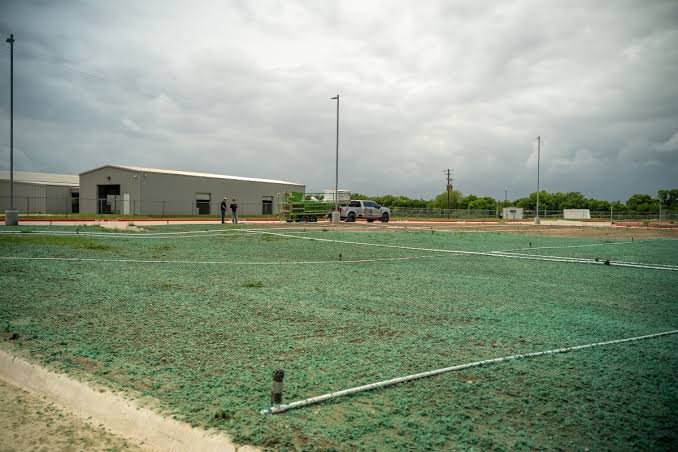
When a property covers acres instead of square feet, the way you plant grass changes. Sod becomes expensive and slow, hand seeding becomes uneven, and bare soil sits exposed to rain and wind for weeks. Hydroseeding solves much of that by spraying seed, mulch, and fertilizer over big areas quickly. Property managers, developers, schools, and business owners use it to green up new sites, repair worn ground, and protect slopes. If you are researching Commercial Hydroseeding Services, this article covers how large projects are planned, how to read a bid, and what happens during the weeks after the crew leaves. A little planning up front keeps a big job on schedule and within budget.
Hydroseeding for large properties
Hydroseeding works the same way on a commercial site as it does in a backyard, only with bigger equipment. Large tanks mounted on trucks or trailers hold a lot of slurry, and powerful pumps send it across long distances, which is helpful on wide fields, steep banks, and areas that vehicles cannot reach. A crew can cover many acres in a day under the right conditions, so a project that would take weeks with sod can be finished quickly. The mulch holds moisture around the seed and guards against wind and rain, while the fertilizer gives young grass a start. Because the material is sprayed in an even layer, the coverage tends to be more consistent than broadcast seeding on large, uneven ground.
Which commercial sites benefit
Many kinds of sites are good candidates. Commercial Hydroseeding Services are common at new office parks, shopping centers, and apartment complexes, where bare ground follows construction. Schools and parks use them for fields, play areas, and open lawns. Homeowners associations rely on them to renovate entrances, common areas, and drainage swales. Detention ponds, roadsides, and utility corridors often need a quick plant cover to hold soil in place. Churches, cemeteries, and industrial properties use hydroseeding to tidy up large grounds without the cost of sod. The common thread is a large area that needs plant cover soon, at a reasonable price, with a method that works on slopes and rough ground as well as flat lawns.
Reading and comparing bids
Bids for large jobs can look very different, so it helps to know what to look for. A solid proposal lists the total area, usually in square feet or acres, along with the seed mix, the type of mulch, the application rate, and any binders or fertilizer. It should say whether site preparation, such as light grading or debris removal, is included. Look for notes about warranty terms, re-seeding, and who is responsible for watering. When you compare Commercial Hydroseeding Services, make sure every bid covers the same acreage and the same materials, because a lower number often reflects a thinner mulch or a smaller seed rate. Ask each contractor to explain differences in plain terms, and get the final scope in writing before you sign.
Scheduling around construction and weather
Timing is one of the trickiest parts of a commercial job. Grass should go in after grading is finished and heavy equipment is done, because trucks can crush new seedbeds and tear up mulch. Seasons matter too. Warm-season grasses do best when seeded in warm weather, while cool-season mixes prefer fall. Heavy rain right after spraying can move material, so contractors often watch the forecast closely and may reschedule. Coordinate with other trades, such as irrigation crews, fence builders, and pavers, so they finish work before hydroseeding starts. If a project has a deadline, such as a grand opening, build in extra time, since grass needs weeks to fill in. A short pre-job meeting with the contractor can prevent most scheduling surprises.
Irrigation, maintenance, and the establishment period
The first weeks after application decide how well the grass takes hold. Seeded areas need steady moisture, which means a working irrigation system or a plan for watering trucks on sites without sprinklers. Decide who is in charge of watering before the job begins, since it is a common point of confusion on large properties. Keep vehicles, equipment, and foot traffic off the area until the grass is established. Plan the first mowing once the blades are tall enough, and use sharp equipment. Thin spots can be touched up with more seed. A maintenance plan that covers fertilizing, weed control, and mowing helps the new turf thicken and stay healthy. Write these steps down so staff and vendors all follow the same plan.
Working with a contractor on a big site
Large jobs go smoothly when the contractor and the property owner communicate clearly. A good contractor walks the site, asks about drainage, slope, and use, and points out problems before they become expensive. Fox Hydroseeding can work with property managers and builders to plan seed mixes, application timing, and care so the new grass has a good start. Share any site plans, stormwater requirements, and schedule limits early. Ask who will be on site, how progress will be reported, and what happens if weather delays the work. Take photos before and after, and walk the finished area with the crew to confirm coverage. Good records help if you need touch-ups later, and they make future projects easier to plan.
Conclusion
Hydroseeding gives large properties a fast, practical way to establish grass and protect soil. The best results come from clear bids, good timing, and a plan for watering and care after the crew leaves. If you are comparing Commercial Hydroseeding Services, ask about materials, application rates, and warranty terms, and make sure every quote covers the same scope. Fox Hydroseeding can help you think through the details for your property and set a realistic schedule. Treat the first weeks as part of the project, not an afterthought, because that is when the grass is most vulnerable. A well-planned job leaves you with a healthy, attractive property that stands up to weather and traffic.