Common Projects Art of Minimalist Luxury Footwear
Common Projects has become an influential name in contemporary fashion by showing how simplicity can create a powerful sense of luxury. In an industry where bold branding and complicated designs often attract attention, the brand has taken a different approach. Its footwear focuses on clean silhouettes, premium materials, careful construction, and subtle details.
This minimalist philosophy has helped Common Projects appeal to people who want their clothing and footwear to feel refined without appearing excessive. The brand’s designs can move naturally between casual outfits, smart-casual wardrobes, and modern tailoring, making them highly versatile for everyday life.
The Philosophy Behind Common Projects
Common Projects was created around the idea of combining everyday functionality with luxury craftsmanship. Sneakers were traditionally associated with sports and casual clothing, but the brand helped demonstrate that a sneaker could also become part of a sophisticated wardrobe.
The concept is relatively simple. Instead of relying on oversized logos, bright graphics, or complicated decorations, the focus remains on materials, proportions, construction, and finishing.
This philosophy has become increasingly relevant as consumers show greater interest in quiet luxury. Quality and craftsmanship can create a stronger impression than obvious branding.
Minimalist Design as a Signature
One of the defining features of Common Projects is its minimalist design language. The footwear generally emphasizes smooth surfaces, clean lines, balanced shapes, and restrained branding.
This simplicity gives the shoes considerable flexibility. They can complement jeans and a T-shirt, chinos and knitwear, or tailored trousers and a blazer.
The discreet gold serial number found on many designs has also become an identifiable feature. It provides a subtle connection to the brand while preserving the clean aesthetic.
Rather than competing with an outfit, Common Projects footwear usually supports it.
Premium Materials and Leather
Materials play an important role in the CommonProject experience. Premium leather provides a refined appearance and can become increasingly distinctive with regular use.
When properly maintained, leather can develop a natural patina. This gradual change can give the footwear character and make it feel more personal over time.
Material quality also affects comfort and durability. Strong construction, carefully finished surfaces, and reliable soles can help the footwear remain practical for everyday wear.
The combination of luxury materials and simple design allows Common Projects to occupy a distinctive position within the footwear market.
Italian Craftsmanship
Craftsmanship is another important part of the brand’s identity. Common Projects is strongly associated with Italian production and the attention to detail that characterizes high-quality footwear manufacturing.
Minimalist shoes require particular precision. When decorative features are limited, stitching, edges, panel alignment, proportions, and finishing become much more noticeable.
Skilled craftsmanship helps ensure that these elements work together harmoniously.
The result is footwear that appears simple but contains considerable attention to detail beneath the surface.
Common Projects Sneakers and Everyday Fashion
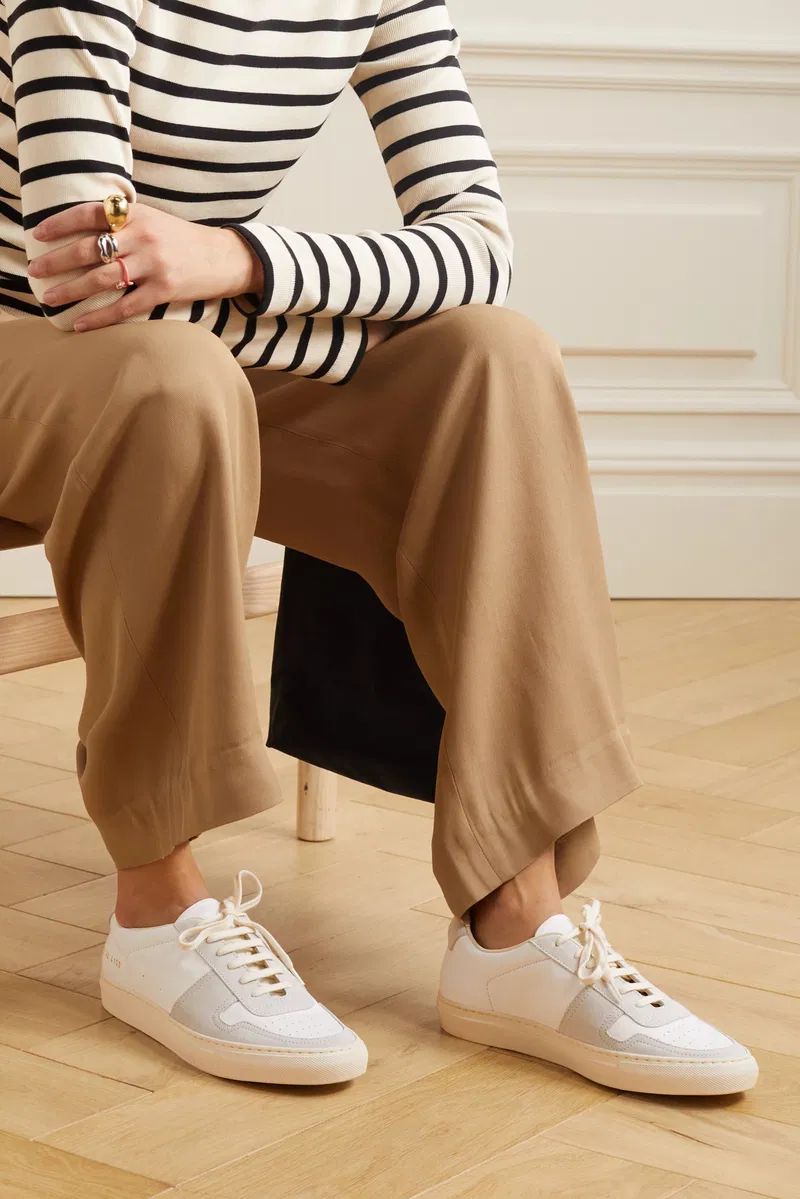
Common Projects Sneakers have become popular because they offer a refined interpretation of casual footwear. Their clean silhouettes allow them to fit naturally into everyday wardrobes.
White sneakers can create a crisp appearance when paired with dark denim or neutral trousers. Black options can provide a more understated look, while gray, beige, and navy can offer softer alternatives.
The footwear can also be dressed up through styling. Chinos, knit sweaters, tailored trousers, and relaxed blazers can create outfits that combine comfort with sophistication.
This adaptability makes Common Projects Sneakers useful for many occasions.
Common Projects Shoes and Smart-Casual Style
Common Projects Shoes can easily become part of a smart-casual wardrobe. Modern fashion has increasingly blurred the boundaries between formal and casual clothing.
A minimalist sneaker can replace traditional dress shoes in certain relaxed environments. Pairing it with tailored trousers and an unstructured blazer can create a contemporary appearance without becoming overly formal.
Similarly, chinos and a button-up shirt can produce a polished but comfortable outfit.
This flexibility makes Common Projects attractive to people whose daily routines move between casual and professional environments.
Comfort and Practicality
Luxury footwear needs to offer practical value as well as visual appeal. Common Projects designs are intended to support everyday wear through quality construction and durable materials.
Leather can gradually adapt to the foot, while sturdy soles can provide stability during walking and commuting.
This makes the footwear suitable for travel, shopping, social events, and everyday activities.
The ability to wear premium footwear regularly can also increase its value. Instead of being reserved for special occasions, Common Projects can become part of a normal wardrobe rotation.
Common Projects and Capsule Wardrobes
A capsule wardrobe focuses on versatile clothing that can be combined in multiple ways. Common Projects fits naturally into this concept because minimalist footwear can work with many different garments.
A neutral pair can be styled with denim, chinos, shorts, tailored trousers, sweaters, shirts, jackets, and coats.
This versatility can simplify daily dressing while reducing the need for numerous specialized shoes.
For people who prefer a more intentional approach to fashion, investing in flexible footwear can make a wardrobe more efficient and easier to manage.
Seasonal Versatility
Common Projects can work across different seasons because the designs are not strongly connected to one particular trend or time of year.
During warmer months, lighter-colored sneakers can complement breathable trousers and simple shirts. In autumn, they can be paired with denim, knitwear, overshirts, and jackets.
Darker footwear can work especially well with winter wardrobes and heavier outerwear.
The footwear remains consistent while the surrounding clothing changes, making it a useful year-round option.
Caring for Common Projects
Proper care is essential when investing in premium footwear. Regularly removing dirt and dust can help preserve the appearance of leather.
Suitable leather-care products can help maintain flexibility and prevent excessive dryness. Allowing shoes to rest between wears can also help manage moisture.
Shoe trees may help maintain shape, while proper storage away from direct sunlight, excessive heat, and humidity can protect the materials.
Good maintenance can extend the life of the footwear and allow it to develop natural character.
Common Projects and Quiet Luxury
common projects sneakers has become closely associated with the idea of quiet luxury. This style emphasizes quality, craftsmanship, and subtle sophistication rather than obvious displays of wealth.
The footwear communicates its premium character through materials, proportions, and construction.
This understated approach appeals to consumers who want luxury to feel personal rather than highly visible.
The result is footwear that can look simple from a distance while revealing its quality through closer attention.
The Long-Term Appeal of Common Projects
The strongest advantage of Common Projects may be its timeless character. Minimalist silhouettes and neutral colors can remain useful even as fashion trends change.
A pair purchased today can potentially complement future wardrobe changes because its design does not depend heavily on seasonal details.
For consumers who value long-term quality, this makes Common Projects more than a fashion purchase. It can become a dependable part of a carefully selected wardrobe.