Bail Bonds Service in Olathe, KS
The phone call usually comes late at night. A friend, a spouse, or an adult child has been arrested, and suddenly a family is trying to make sense of booking numbers, court dates, and bail amounts they never expected to face. For many families, a criminal bail bonds service in Olathe, KS becomes the bridge between an arrest and getting a loved one home. Knowing how that process works can make an overwhelming night feel much more manageable.


Why Bail Exists in the First Place

Bail isn’t a punishment. It’s a financial promise that a person who has been charged with a crime will return for every scheduled court appearance while the case moves forward. Because Olathe is the county seat of Johnson County, many arrests in the area lead to booking at the county detention facility downtown. After booking, a judge or a preset bail schedule sets the bail amount based on the charge, criminal history, and other factors. Some people can pay the full amount in cash. Many can’t, especially when bail runs into the thousands of dollars. That gap is where bail bond agents come in.

How Bail Bonds Fit Into the Legal Process

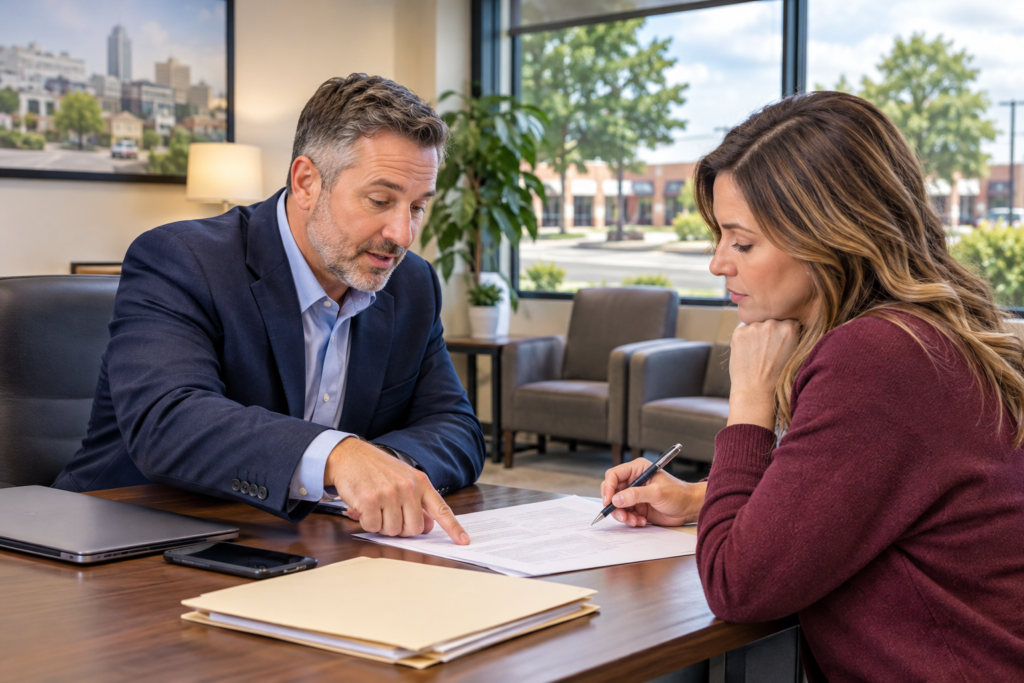
A bail bond is an agreement among three parties: the court, the defendant, and a licensed bail bond agent. The agent guarantees the full bail amount to the court. In return, the defendant or a family member pays a nonrefundable fee, usually a percentage of the total bail. That fee is often around 10 percent, though it can vary with the case and the agent’s terms. On a $5,000 bail, for example, a family might pay a few hundred dollars instead of the full amount up front. Once the bond is posted, the jail processes the release. That can take a few hours, depending on how busy the facility is. The defendant then has to attend every court date until the case is resolved. If the defendant skips court, the agent becomes responsible for the full bail amount. This is why agents often ask for collateral or a cosigner, someone who agrees to share responsibility if things go wrong.

Common Scenarios Behind Criminal Bail Bonds

Bail bonds cover a wide range of charges. Some of the most common in suburban areas include theft, drug possession, domestic disputes, probation violations, and traffic-related offenses that go beyond a simple ticket. Impaired driving is one of the most frequent reasons people look for bail help. DUI bail bonds in Olathe, KS are especially common on weekends and holidays, when traffic enforcement tends to increase along busy routes like I-35 and K-10. A first-time DUI is often handled differently from a repeat offense. Bail for a first arrest may be fairly modest, while a second or third DUI, or one involving an accident, can carry much higher amounts and stricter release conditions. Warrants are another common situation. Someone may learn they have an outstanding warrant from a missed court date or an unpaid fine. Arranging a bond ahead of time can sometimes make surrender and release smoother.

Practical Benefits Worth Understanding

The most obvious benefit is financial. A bail bond lets families keep their savings intact instead of tying up thousands of dollars in cash bail for months while a case plays out. Time matters too. A person sitting in jail may miss work, lose a job, or fall behind on childcare and household duties. Getting released quickly helps keep daily life from falling apart while the legal process continues. There’s also the matter of building a defense. Defendants who are out of custody can meet with their attorneys more easily, gather documents, and prepare for court with a clearer head. Experienced agents also know the local system. They understand how the county jail handles releases, what paperwork is needed, and what timelines families can realistically expect.

Important Considerations Before Signing

A bail bond is a legal contract, and it deserves careful attention. Cosigners should understand that they may be financially responsible if the defendant fails to appear in court. The premium paid to the agent is generally not returned, even if charges are later dropped. Families should ask about payment plans, collateral requirements, and any added fees before agreeing to terms. Licensing matters as well. Kansas requires bail agents to be properly licensed, and checking credentials helps protect families from misunderstandings or unfair practices. Release conditions are just as important. A judge may order no contact with certain people, travel limits, alcohol monitoring, or regular check-ins. Breaking those conditions can lead to the bond being revoked.

Real-World Examples

Consider a young professional pulled over after a holiday party and arrested for DUI. Bail is set at a level he can’t cover on his own. His sister contacts a bail agent, signs as cosigner, and he’s home before morning, able to show up for work and call a lawyer. Or picture a mother who learns her adult son has a warrant for a missed court date on a minor theft charge. Instead of waiting for an unexpected arrest, she works with an agent to arrange a bond, and he turns himself in with a plan for quick release already in place. In another case, a man arrested on a domestic-related charge is released on bond but must follow a no-contact order. His family later learns that a single violation could send him back to jail, which shows why understanding bond conditions matters as much as paying the fee.

Choosing a Local Provider

Families often look for agents who are available around the clock, explain terms clearly, and know the Johnson County court system well. Local firms such as Heartland Bail Bonds are examples of providers that handle both general criminal cases and DUI bail bonds in Olathe, KS. Whichever provider a family chooses, clear communication and honest answers tend to matter most. A good agent should explain every obligation in plain language before anything is signed.

FAQs

How much does a bail bond usually cost in Kansas? Most agents charge a nonrefundable premium, often around 10 percent of the total bail. The exact rate and any added fees can vary, so it’s worth asking for the full terms in writing. How long does it take to get released after a bail bond is posted? Release usually takes a few hours after the bond is posted. Timing depends on how busy the jail is, booking status, and how quickly paperwork is completed. Can someone get a bail bond for a DUI arrest? Yes, most DUI arrests qualify for bail. Bail amounts tend to be higher for repeat offenses, high blood alcohol levels, or cases involving injury or property damage. What happens if the defendant misses a court date? The court may issue a warrant and require the full bail amount to be paid. The cosigner could become financially responsible, and the defendant may face additional charges.

Leave a Reply

Your email address will not be published. Required fields are marked *