It often starts with something small. A faint drip under the kitchen sink, a damp spot on the ceiling after a storm, or a water heater that finally gives out at 2 a.m. By morning, that small problem can turn into soaked carpet, warped flooring, and a musty smell that won’t go away.
For homeowners and business owners, knowing how Emergency Water Damage Restoration in Ranger, GA works can make a stressful situation easier to handle. This guide covers the most common causes of water damage, why speed matters so much, what the restoration process usually looks like, and how to make smart decisions when water shows up where it shouldn’t.
Why Water Damage Is Never Just a “Wait and See” Problem
Water moves fast and hides well. It seeps under baseboards, soaks into drywall, and settles beneath flooring where no one can see it. What looks like a surface puddle can actually be a much deeper issue.
Timing is the biggest factor. Within the first 24 to 48 hours, mold can begin to grow on damp materials. Wood starts to swell, drywall softens, and metal fixtures can begin to corrode.
That’s why restoration professionals often describe the first two days as the “critical window.” Acting within that window can mean the difference between a simple drying job and a full rebuild of walls and floors.
Common Water Damage Scenarios in North Georgia
Ranger sits in Gordon County, where the climate brings a mix of humid summers, strong spring storms, and the occasional hard freeze. Each season comes with its own risks.
Storm and Roof Leaks
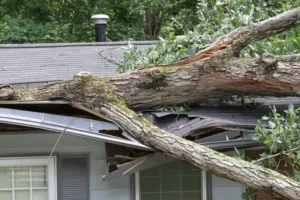
Heavy rain and high winds can loosen shingles or clog gutters. When water can’t drain properly, it finds its way into attics, ceilings, and walls. These leaks often go unnoticed until stains appear indoors.
Burst or Frozen Pipes
Winter cold snaps are less common here than in northern states, but they still happen. Pipes in crawl spaces, garages, or exterior walls are especially vulnerable. When frozen water expands, a pipe can split and release hundreds of gallons in a short time.
Appliance Failures
Washing machines, dishwashers, refrigerators with ice makers, and water heaters are all common culprits. A cracked supply hose or a failed valve can flood a room quietly while no one is home.
Sewage Backups and Flooding
Some of the most serious cases involve contaminated water. Sewer backups or rising floodwater can carry bacteria and other hazards. These situations require extra care, protective gear, and proper sanitation.
Quick takeaway: If the water is clean and caught early, cleanup is usually simpler. If it’s dirty, has been sitting for a while, or has spread into walls, professional help becomes much more important.
What the Restoration Process Usually Involves
Every job is different, but most professional restoration follows a similar flow. Understanding it helps property owners know what to expect.
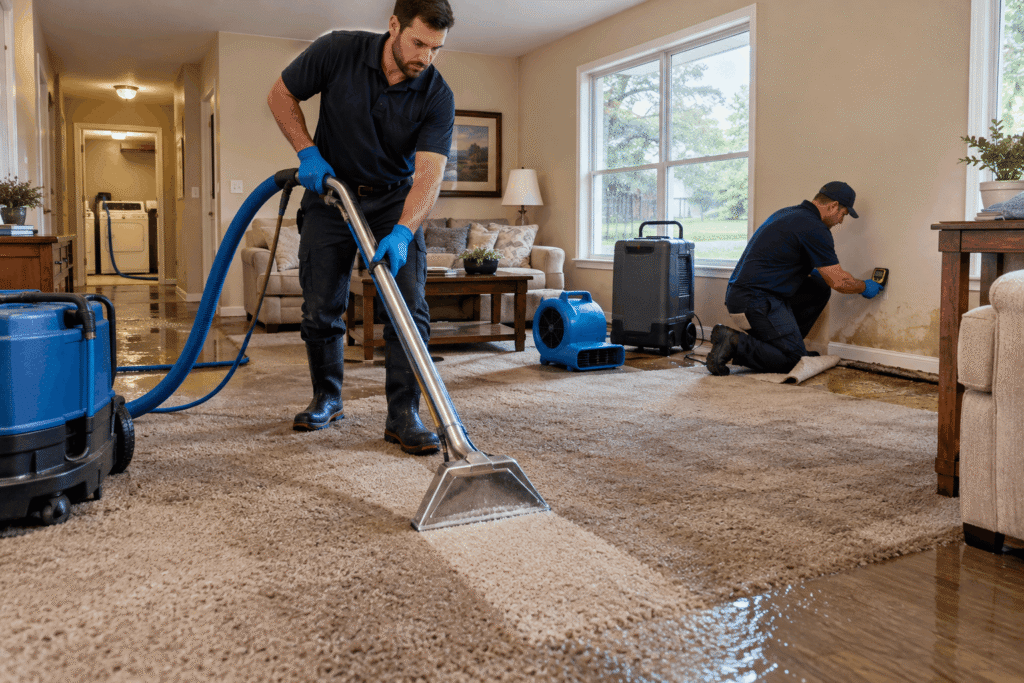
It begins with an inspection. Technicians use moisture meters and sometimes thermal cameras to find where water has traveled. This step matters because hidden moisture is the main cause of long-term problems.
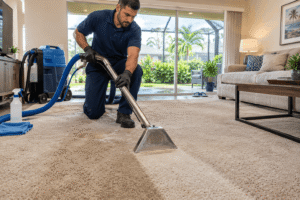
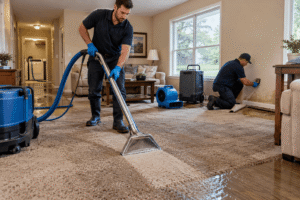
Next comes water removal. Pumps and industrial vacuums pull out standing water. After that, the real work starts: drying. Air movers and dehumidifiers run for several days to pull moisture out of floors, walls, and furniture.
Cleaning and sanitizing follow, especially if the water was contaminated. Finally, repairs bring the space back to normal. That might mean replacing drywall, installing new flooring, or repainting damaged areas.
Key Benefits of Acting Quickly
The most obvious benefit of fast action is lower cost. A job handled within hours often needs fewer materials replaced. Waiting a week can turn a drying project into a demolition project.
Health is another big factor. Mold spores can trigger allergies and breathing problems, especially for children, older adults, and people with asthma. Quick drying is the best defense against mold growth.
There’s also the question of insurance. Many policies expect property owners to take reasonable steps to prevent further damage. Documenting the problem early and starting mitigation right away can help support a claim.
Finally, prompt action protects the structure itself. Subfloors, framing, and insulation can all weaken when they stay wet too long.
Things to Consider Before Choosing a Restoration Provider
Not every company works the same way. When a pipe has just burst, it’s tempting to call the first number that pops up. Taking a few minutes to ask the right questions can save trouble later.
Look for technicians trained in water damage restoration through recognized industry programs, such as IICRC certification. Ask whether they offer true 24/7 response, since water emergencies rarely happen during business hours.
It also helps to ask how they handle insurance documentation. Clear photos, moisture readings, and detailed reports make the claims process smoother.
Finally, pay attention to how they explain the work. A reliable provider should be able to describe the drying plan in plain language, not just hand over an estimate.
Real-World Examples of How Water Damage Unfolds
Consider a family returning from a weekend trip. They open the door to find water spreading across the living room from a failed washing machine hose. Because they called for help that same afternoon, the crew dried the subfloor and saved most of the hardwood.
Now compare that with a rental property where a slow leak under a bathroom vanity went unnoticed for months. By the time the tenant reported a smell, mold had spread into the wall cavity. That job required removing drywall, treating the framing, and replacing cabinets.
Businesses face similar risks, often on a larger scale. A small retail shop might deal with a roof leak during a spring storm that soaks inventory and ceiling tiles. A warehouse could have a sprinkler line fail overnight. In these cases, Commercial Restoration Solutions in Ranger, GA focus not just on drying, but on getting the business open again as quickly as possible.
For commercial spaces, downtime is often the biggest cost. Restoration crews may work in phases or after hours so that part of the building can keep operating while repairs continue.
Homes vs. Businesses: How the Approach Differs
Residential restoration usually centers on comfort and safety. The goal is to get the family back into a dry, healthy home with as little disruption as possible.
Commercial jobs bring added layers. There may be larger square footage, specialized equipment, sensitive documents, or strict health codes, as in restaurants and medical offices. Property managers often need detailed reports for owners, insurers, and tenants.
That’s why many local providers handle both types of work but adjust their methods for each. Firms like Voda Cleaning & Restoration, for example, are among the regional teams that work across both residential and commercial settings. When comparing Commercial Restoration Solutions in Ranger, GA, it’s worth asking about experience with buildings similar in size and use to your own.
Simple Ways to Reduce Your Risk
Prevention won’t stop every emergency, but it can lower the odds. Check washing machine and dishwasher hoses once a year and replace any that look cracked or bulging.
Keep gutters clear, especially in the fall when leaves pile up. Insulate exposed pipes before winter, and know where your main water shut-off valve is located.
A water leak detector near the water heater or under sinks is an inexpensive way to get an early warning. For businesses, a regular maintenance schedule for roofs, plumbing, and sprinkler systems goes a long way.
Bringing It All Together
Water damage is one of the most common property problems, and also one of the most time-sensitive. The faster moisture is found and removed, the less damage it leaves behind.
Understanding the process behind Emergency Water Damage Restoration in Ranger, GA helps property owners stay calm and make better choices when something goes wrong. Know the warning signs, act within the first 24 to 48 hours, and choose trained professionals who explain their work clearly.
As a next step, take ten minutes this week to locate your main shut-off valve and check the hoses on your major appliances. That small effort could prevent a much bigger headache down the road.
Frequently Asked Questions
How quickly should water damage be addressed?
Ideally, within the first 24 to 48 hours. After that, the risk of mold growth and structural damage rises sharply.
Does homeowners insurance cover water damage?
Many policies cover sudden and accidental water damage, like a burst pipe. Damage from gradual leaks or flooding may not be covered, so it’s important to review your specific policy.
How long does the drying process take?
Most drying takes three to five days, depending on how much water was involved and which materials were affected. Larger or more complex jobs can take longer.
Can I clean up water damage myself?
Small, clean-water spills caught right away can often be handled with towels, fans, and a wet vacuum. Larger amounts, contaminated water, or moisture inside walls usually call for professional equipment.
What are the signs of hidden water damage?
Common signs include musty odors, peeling paint, warped floors, soft spots in drywall, and unexplained increases in your water bill.