A fence does a lot of work in a small space. It keeps pets and children in, creates privacy, marks a boundary, and can improve the look of a yard. In Anne Arundel County, where homes range from waterfront properties to wooded lots and busy neighborhoods, the right fence depends on what you need and what the property allows. Fence Installation in Anne Arundel County MD involves more than digging holes and nailing boards. It takes planning around property lines, permits, soil, and weather. This article explains fence types and materials, how to match a fence to your goals, local rules, how fences are built, and how to choose an installer.
Why a fence is worth planning carefully
A fence is a long-term addition, and mistakes can be hard to undo. A fence built in the wrong spot can cause trouble with neighbors or the county, and one built with weak posts can lean within a few years. A good plan starts with your goal. Do you want privacy from a neighbor, a safe space for a dog, a barrier around a pool, or a decorative border? The answer affects height, style, and material. Think about how the fence will look from both sides and how it fits with your house and landscaping. Planning also helps with budget, since fence costs add up quickly over long runs. A little time spent on decisions at the start saves money and frustration later.
Fence types and materials
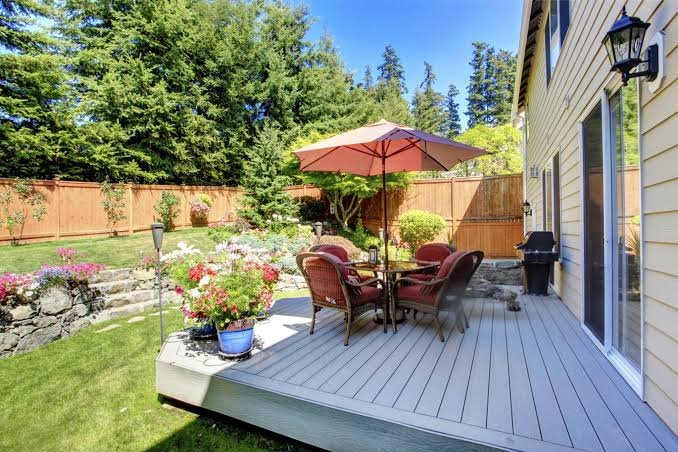
Fence Installation in Anne Arundel County MD includes many options. Wood privacy fences, often pressure-treated pine or cedar, offer a classic look and can be stained or painted, though they need upkeep in humid weather. Vinyl fences resist rot and insects and need only occasional washing, but they cost more up front. Aluminum and steel ornamental fences give a clean look and good visibility, which suits pool areas and front yards. Chain link is practical and affordable, especially when coated, and it works for pets and large areas. Split rail and post-and-rail fences suit larger lots and rural looks. Composite fences are low maintenance and resemble wood. Near the water, salt air can corrode metal, so ask about coatings and hardware that stand up to it.
Privacy, security, pets, and pools
Your goal shapes the design. For privacy, solid panels at six feet are common, though height limits may apply. For security, a taller fence with a locking gate adds protection, and open designs let you see what is happening outside. Pet owners should think about the size and habits of their animals, since diggers may need a barrier below ground and jumpers may need extra height. Deer often feed in local gardens, and keeping them out usually takes a fence of about eight feet, which is a different project from a decorative border. Pool fences must meet safety codes, which usually call for a minimum height and self-closing, self-latching gates. Ask your installer what rules apply, and plan gates where you will actually use them.
Property lines, permits, and HOA rules
Before building, know where your property ends. If boundaries are unclear, a survey can prevent disputes. Many fences need a permit, and height limits often differ for front and back yards, so check with Anne Arundel County before you start. Corner lots may have extra limits to keep sightlines clear for drivers. Utility easements can restrict where a fence can go, and the company may need access across your yard. Properties near tidal water may have additional rules. Homeowners associations often have strict standards for style, color, and height, and some require approval in advance. When you plan Fence Installation in Anne Arundel County MD, ask your installer who handles permits and approvals. Letting your neighbors know your plans can also help prevent trouble.
How a fence is installed and maintained
Installation begins with marking the fence line and calling 811 so utilities are located. Posts are the foundation, and they are usually set in holes dug below the frost line and often held in concrete. Posts are spaced according to the fence type, commonly six to eight feet apart, and they are checked for plumb. Rails and panels or boards are attached next, and gates get extra support because they carry more stress. Slopes need careful handling, since fences can be stepped or racked to follow the ground. Maintenance depends on the material. Wood needs periodic staining or sealing, vinyl needs washing, and metal needs occasional touch-ups. Trim plants away from the fence, fix loose boards early, and check gates for sagging.
Choosing a fence installer
Look for an installer who explains the process clearly. Ask for photos of past work and references from customers whose fences have been in place for a few years. Confirm insurance and ask who will be on site and how long the job should take. When comparing Fence Installation in Anne Arundel County MD, get a written estimate that lists materials, fence height, post depth, gates, hardware, and permits. Luxe Landscaping can look at your yard, talk through fence styles, and explain how a fence would fit your property and goals. Ask about warranties on materials and workmanship, and find out what happens if posts settle or lean. Be cautious with very low bids that leave out details about posts or hardware, since those parts determine how long the fence lasts.
Conclusion
A good fence adds privacy, safety, and style, and it lasts when it is planned and built well. Start with your goals, check property lines and rules, and choose materials that suit your needs and the local climate. As you compare options for Fence Installation in Anne Arundel County MD, ask about post depth, gates, permits, and warranties, and get everything in writing. Luxe Landscaping can help you plan a fence that fits your home and budget. Take time to think through height, style, and gate locations before work begins. A fence built on a solid plan will serve your property for many years.