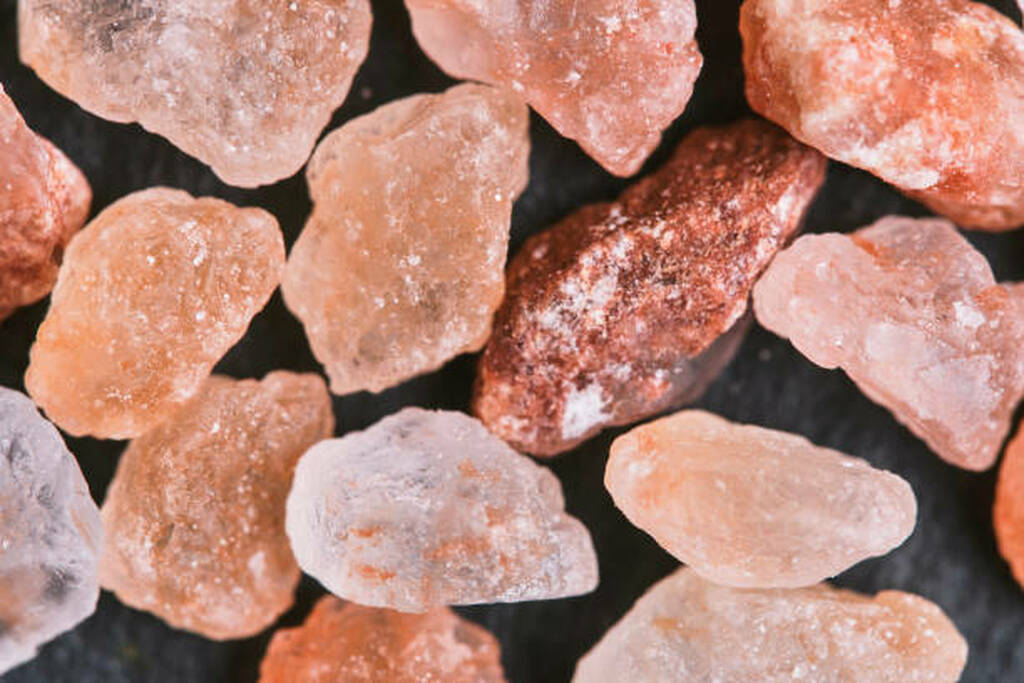
Fix These Mistakes When Buying from Pink Salt Exporters
Pink salt has become one of the most sought-after natural minerals in the world, valued for its mineral content, distinctive color, and versatility across culinary, cosmetic, and industrial uses. As global demand grows, more buyers are turning to pink salt exporters in Pakistan, since the Khewra Salt Mine region is widely recognized as the primary source of authentic Himalayan pink salt. However, sourcing this product internationally is not as simple as placing an order and waiting for delivery. Many buyers, especially first-time importers, make avoidable mistakes that lead to delays, quality issues, or compliance headaches. Understanding these common pitfalls can save time, money, and frustration before a shipment ever leaves the port.
This article breaks down the most frequent errors buyers make when sourcing pink salt internationally and explains how to approach the process with more clarity and confidence.
Not Verifying Authenticity and Source
One of the biggest mistakes buyers make is assuming that all pink salt sold under the “Himalayan” label is genuinely sourced from the same region or mine. Pink salt’s color and mineral composition vary depending on where it is extracted, and not every product marketed this way meets the same quality standards.
Confusing Branding with Origin
Many buyers focus on packaging or marketing claims rather than verifying the actual mining location. Genuine Himalayan pink salt is typically associated with the Salt Range in Punjab, Pakistan, and authentic suppliers should be able to provide documentation tracing the product back to this region. Without this verification, buyers risk receiving a blended or lower-quality product that doesn’t match what was advertised.
Skipping Lab Testing and Certification Checks
Another common oversight is failing to request lab analysis reports before finalizing a purchase. Mineral composition, moisture content, and particle size can all vary between batches. Reputable suppliers typically provide testing certificates from accredited laboratories, covering aspects like heavy metal content and microbiological safety. Buyers who skip this step often discover quality inconsistencies only after the product arrives, which is far too late to renegotiate terms.
Overlooking Export Documentation and Compliance Requirements
International trade involves a layered set of regulatory requirements, and pink salt is no exception. Buyers who are unfamiliar with these requirements often run into customs delays or unexpected costs.
Ignoring Country-Specific Import Regulations
Each importing country has its own food safety and labeling regulations, particularly for products intended for human consumption. Some markets require specific certifications such as health certificates, phytosanitary documentation, or compliance with food-grade packaging standards. Buyers who don’t research these requirements in advance often find their shipments held at customs, incurring storage fees or, in worse cases, rejection of the entire consignment.
Misunderstanding HS Codes and Tariff Classifications
Harmonized System (HS) codes determine how a product is classified for customs and taxation purposes. Using an incorrect HS code can lead to miscalculated duties, processing delays, or compliance disputes. Buyers should confirm the correct classification for pink salt products with their customs broker or freight forwarder rather than relying on assumptions carried over from other mineral or food imports.
Forgetting About Packaging and Labeling Standards
Beyond the product itself, packaging materials and label content are often subject to regulation. Information such as country of origin, net weight, ingredient composition, and storage instructions may be mandatory depending on the destination market. Overlooking these details can result in a shipment being flagged during inspection, even if the salt itself meets quality standards.
Failing to Plan for Logistics and Quality Consistency
Even when sourcing and compliance are handled correctly, logistical missteps can still derail a transaction. Salt is a heavy, moisture-sensitive product, and its journey from mine to destination requires careful planning.
Underestimating Shipping Time and Seasonal Factors
Ocean freight schedules, port congestion, and seasonal demand fluctuations can all affect delivery timelines. Buyers who don’t build in buffer time for their supply chain planning may face inventory shortages, particularly around peak demand periods such as holiday seasons when interest in specialty salts and gourmet products tends to rise. Coordinating realistic timelines with logistics partners helps avoid last-minute scrambling.
Not Accounting for Moisture and Storage Conditions
Pink salt, like other natural mineral products, can be sensitive to humidity during transit and storage. Poor packaging or inadequate container conditions can lead to clumping, contamination, or degradation in product appearance. Buyers should confirm that appropriate moisture-resistant packaging and container liners are used, especially for shipments traveling through humid climates or long transit routes.
Neglecting Consistency Across Multiple Orders
Buyers who place repeat orders sometimes notice variation in color, grain size, or mineral content between shipments. This inconsistency often stems from sourcing salt from different mining sections or blending batches without clear documentation. Establishing clear specifications upfront, and requesting consistent sourcing practices for ongoing orders, helps reduce this variability over time.
Why These Mistakes Matter for Long-Term Sourcing Success
Avoiding these errors isn’t just about preventing a single bad shipment; it’s about building a sustainable, reliable sourcing process. Buyers who take the time to verify authenticity, understand compliance requirements, and plan logistics carefully are far better positioned to maintain consistent product quality and avoid costly disruptions.
The relationship between international buyers and pink salt exporters in Pakistan depends heavily on transparency and due diligence from both sides. While exporters are responsible for providing accurate documentation and consistent product quality, buyers also carry responsibility for asking the right questions, requesting proper certifications, and understanding the regulatory landscape of their own markets.
As global interest in natural and minimally processed minerals continues to grow, the pink salt trade is likely to expand further, bringing both opportunity and increased scrutiny. Buyers who approach this market with informed expectations, rather than assumptions based on marketing claims alone, are far more likely to build dependable, long-term sourcing relationships.
Final Thoughts
Sourcing pink salt internationally involves more than identifying a supplier and placing an order. From verifying authenticity and reviewing lab certifications to understanding import regulations and planning realistic logistics timelines, each step plays a role in determining whether a transaction goes smoothly. Buyers working with pink salt exporters in Pakistan should prioritize documentation, ask detailed questions about sourcing practices, and account for the practical realities of international shipping. Taking these precautions early in the process helps prevent the common mistakes that lead to delays, quality disputes, or compliance issues, ultimately supporting a more reliable and informed approach to sourcing this widely valued natural product.