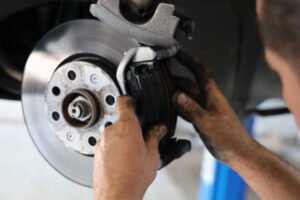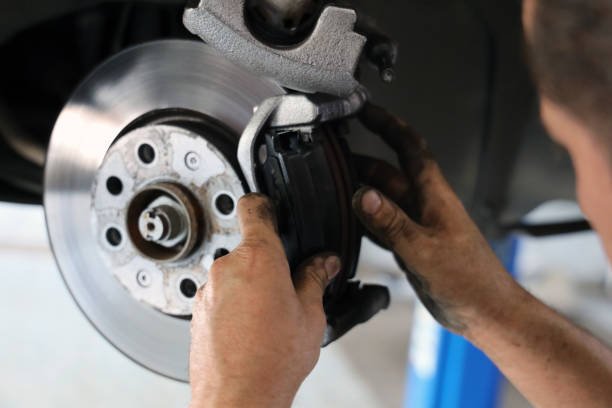
Brake pad replacement in car service
A heavy truck can weigh tens of thousands of pounds, which means brakes are the one system you can never afford to guess about. Over the years, I have seen drivers treat a small noise as background music until it turned into a failed inspection or a roadside emergency. Learning how to read the signals and follow a clear process saves money, time, and stress. That approach is exactly why many fleet owners looking for brakes repair in Albany LA call Heavy Duty Diesel Specialists at the first sign of trouble. This guide walks through the steps, from recognizing symptoms to keeping the system healthy afterward.
Recognize the Signs Before You Fix Anything
Sounds and Sensations
Squealing, grinding, or a metallic scraping noise usually means friction material is nearly gone. A soft pedal, longer stopping distance, or a vibration through the steering wheel also deserves attention. Pay attention to how the truck feels when loaded versus empty, since problems often show up under weight first.
Visual and Air System Clues
On air brake trucks, listen for hissing leaks after the engine is shut off. Look for oil or grease on brake components, cracked hoses, and uneven wear between wheels. A slow air pressure build up is another common red flag that should not be ignored.
When to Park the Truck
If the pedal sinks, the truck pulls hard to one side, or a warning light stays on, stop driving and arrange service. Continuing to haul with faulty brakes risks your safety, your cargo, and everyone on the road. A tow is always cheaper than a collision.
Understand What You Are Dealing With
Air Brake Basics
Most heavy trucks use compressed air to push brake components into contact with the drums or rotors. A compressor, air dryer, tanks, valves, and chambers all work together, so a fault in one spot can show up somewhere else. Knowing this helps you describe symptoms clearly when you call a technician.
Common Wear Parts
The table below lists the parts that wear most often and the clues that usually point to them.
| Component | What It Does | Typical Warning Sign |
|---|---|---|
| Brake Shoes or Pads | Create friction to slow the wheel | Grinding noise or longer stops |
| Drums or Rotors | Provide the surface for friction | Vibration, cracks, or scoring |
| Slack Adjusters | Maintain proper brake stroke | Poor response or uneven braking |
| Brake Chambers | Convert air pressure into force | Air leaks or sluggish release |
| Air Dryer | Removes moisture from the system | Water in tanks or frozen lines |
Follow a Sensible Repair Process
Inspection and Diagnosis
A good technician starts by listening to your description, then checks air pressure, leaks, wheel ends, and component wear. Measuring rather than guessing is what separates a lasting fix from a temporary one. Ask to see worn parts so you understand why a repair is recommended.
Parts Replacement and Adjustment
Brakes should be repaired in axle sets so that braking force stays balanced from side to side. Quality parts matter here, because cheap friction material can wear quickly or fade under heat. Proper adjustment after installation is just as important as the parts themselves.
Testing Before You Roll
After the work is done, the truck should be checked for air leaks, pushrod travel, and braking performance. A short road test confirms everything feels right. When arranging brakes repair in Albany LA, ask whether this final testing step is included in the service.
Keep Your Brakes Healthy Afterward
Routine Checks
Drain air tanks as recommended, inspect hoses for chafing, and check for leaks during pre trip walk arounds. Heat and humidity in Louisiana can speed up moisture problems, so keeping the air system dry is especially important. Schedule professional inspections at regular intervals instead of waiting for symptoms.
Smart Driving Habits
Use engine braking where appropriate, keep a safe following distance, and avoid riding the pedal on long grades. These habits reduce heat and extend the life of friction parts. Drivers who respect their brakes tend to spend far less on repairs over time.
Conclusion
Brake problems announce themselves early, and the best outcomes belong to drivers who listen. Notice the signs, understand the system, and choose a shop that explains its work. For dependable Brakes repair in Albany LA, an experienced diesel team can get you stopping confidently and back on the road.
Frequently Asked Questions
How do I know if my truck needs brake service?
Common signs include noise, vibration, longer stopping distance, and warning lights. Air leaks or a slow pressure build up are also clues. If anything feels different from normal, have it checked soon.
How long do heavy truck brakes usually last?
Lifespan depends on load, routes, and driving style. Trucks that haul heavy loads in stop and go traffic wear brakes much faster. Regular inspections give the clearest picture for your specific truck.
Can I drive with a small air leak?
Even a small leak can grow quickly and reduce braking power. It may also keep the compressor working harder than it should. Have leaks located and repaired before your next long haul.
Why should brakes be replaced in pairs?
Replacing both sides of an axle keeps braking force even. Uneven brakes can cause pulling, instability, and faster wear on other parts. Balanced service is safer and usually more economical in the long run.