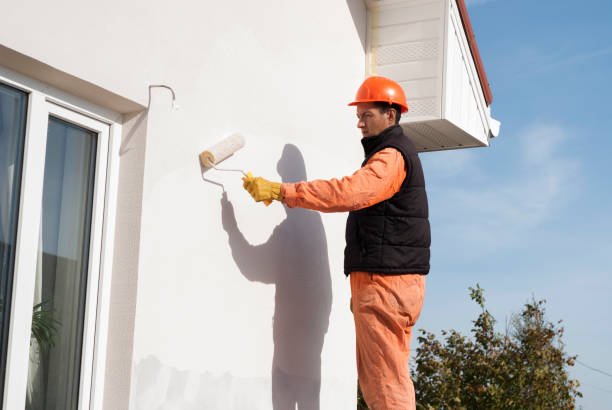
construction worker is painting a wall with a roller
A beautiful exterior paint job starts long before the first brush touches the wall. Strong sun, dry heat, and valley dust put real pressure on paint, so the work done beforehand largely decides how long your finish will last. Through years of working on homes of every age and style, I have learned that careful preparation is what separates a fresh look for a few months from one that holds up for years. Homeowners who want a smooth, well planned project often reach out to Ever’s Painting to guide them through the process. This guide walks you through how to prepare for an Exterior painting service in Fresno CA from start to finish.
Start With a Close Look at Your Home
Inspect Siding and Trim
Walk slowly around the house and look for peeling, bubbling, chalky residue, and hairline cracks. Press on trim boards and window sills with a screwdriver tip. Soft or crumbling spots usually mean rot that needs repair before any paint goes on.
Check for Moisture Problems
Paint cannot hold on damp surfaces. Look for stains below gutters, around downspouts, and near sprinklers that spray the walls. Fixing a leak or redirecting water now keeps new paint from failing early.
Prepare the Surface Properly
Surface preparation is the most important stage of any paint job, and it is where shortcuts cost the most. A professional crew often spends more time on prep than on actual painting.
Wash Away Dust and Grime
Fine dust, pollen, and oily residue stop paint from bonding. A gentle pressure wash or a scrub with mild detergent clears them away. Let the walls dry completely, which can take a day or two in mild weather.
Scrape, Sand, and Repair
Remove loose paint with a scraper and sand rough edges so the new coat sits evenly. Fill cracks and holes with a quality exterior filler or caulk. Pay extra attention to joints around windows and doors where gaps let moisture sneak in.
Prime Where Needed
Bare wood, patched areas, and stains should get primer. It seals the surface, improves adhesion, and keeps old stains from bleeding through. Skipping this step is one of the most common reasons for blotchy results.
Choose Paint and Colors for Fresno’s Climate
Pick Durable Paint
Look for high quality exterior paint made to resist fading, cracking, and heat. Better products stay flexible as walls expand and contract through hot days and cooler nights. A dependable Exterior painting service in Fresno CA will usually recommend products proven in local conditions.
Test Colors in Real Light
Sunlight changes how a color looks throughout the day. Brush large sample patches on a few walls and view them in the morning, noon, and evening. Darker shades absorb more heat and can fade faster, so lighter or mid tone colors are often a practical choice in sunny regions.
Plan the Schedule and Protect the Property
Pick the Right Season
Exterior painting works best in mild, dry weather. Spring and fall are popular because temperatures are comfortable and paint cures evenly. Painting in extreme heat can make coatings dry too fast, which leads to lap marks and weak adhesion.
Protect Plants and Surfaces
Trim back shrubs from the walls and cover plants, patios, and walkways with drop cloths. Move outdoor furniture, grills, and decorations away from the house. Protecting your property at the start prevents cleanup headaches later.
Talk Through the Timeline
Ask the crew how long each stage will take and what happens if weather delays the work. Clear expectations about start dates, drying time, and final inspection keep the project running smoothly for everyone.
Final Thoughts
Preparation is the real secret behind a long lasting exterior finish. Inspect the home, repair problems, choose suitable products, and schedule the work wisely. When you are ready to get started, contact a trusted Exterior painting service in Fresno CA that values careful prep as much as the final coat.
Frequently Asked Questions
How long does exterior paint usually last?
A well prepared exterior with quality paint often lasts around seven to ten years. Strong sun exposure, poor prep, and cheap products can shorten that time. South and west facing walls tend to wear faster. Regular rinsing and prompt touch ups help extend the life of your paint.
Do I need to be home while the work is done?
You do not need to stay home the whole time, but it helps to be available at the start and end. A quick walkthrough lets you confirm colors and details. Crews will usually ask for access to outdoor water and power. Share any concerns before work begins.
Can exterior painting be done in hot weather?
It can, but extreme heat makes the work harder and may affect the finish. Professionals often start early in the day to avoid direct sun on the walls. Paint applied on very hot surfaces can dry unevenly. Milder days usually give the best results.
Is pressure washing always necessary?
Most homes benefit from a thorough wash before painting. It removes dust, mildew, and loose paint that would otherwise weaken the new coat. The pressure must be controlled to avoid damaging siding. Some delicate surfaces need hand washing instead.
What happens if it rains right after painting?
Light moisture on a coat that has not fully cured can cause streaks or spotting. Crews watch the forecast to avoid this and may pause work when rain is likely. If it does occur, the affected area can usually be touched up. Choosing the right season greatly reduces this risk.