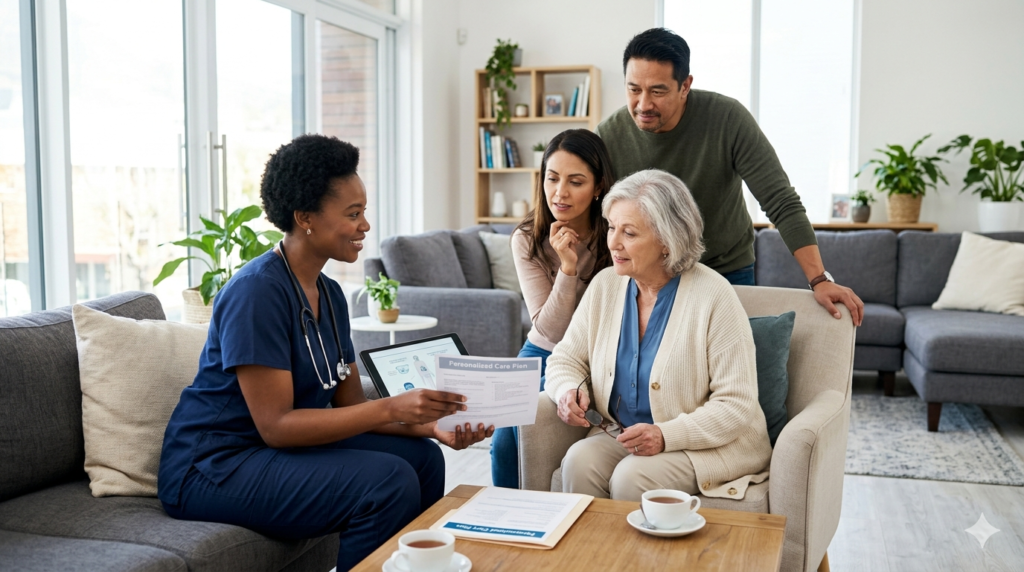
Caring for an aging loved one at home is both meaningful and challenging. As seniors grow older, even simple daily tasks can become risky without the right support. Families often try their best, but small hazards around the house can lead to serious accidents if they go unnoticed.
This is where structured support systems like Care Connection LLC and proper health care staffing play an important role—not by taking over the home, but by helping families create a safer, more comfortable environment for seniors who want to age in place.
In this article, we’ll walk through practical, easy-to-follow home safety tips that can make a real difference in everyday life.
Why Home Safety Matters for Seniors Receiving Care
A home is supposed to feel safe, but for seniors, it can sometimes become a place full of hidden risks. Age-related changes such as weaker eyesight, reduced balance, slower reflexes, and memory issues can increase the chances of accidents.
Even minor incidents like slipping in the bathroom or tripping over a rug can lead to serious injuries.
Some common consequences of unsafe home environments include:
- Broken bones from falls
- Head injuries
- Medication mistakes
- Burns or kitchen accidents
- Emotional stress and loss of confidence
The good news? Most of these risks can be reduced with small, thoughtful changes.
Common Household Risks for Seniors
Before fixing safety issues, it helps to understand where the dangers usually are.
1. Slippery floors and loose rugs
A simple rug without grip backing can become a major fall risk. Polished tiles or wet bathroom floors are also common hazards.
2. Poor lighting
Dim hallways, staircases, or bathrooms make it harder for seniors to see obstacles.
3. Cluttered walkways
Shoes, furniture corners, or electrical cords can easily cause trips and falls.
4. Unsafe bathrooms
Bathrooms are one of the highest-risk areas due to wet surfaces and limited support structures.
5. Medication confusion
Taking the wrong dose or mixing medications can lead to health complications.
Understanding these risks is the first step toward building a safer home.
Practical Home Safety Tips for Seniors
Making a home safer doesn’t always require big renovations. Often, small adjustments can create a huge improvement.
Bathroom Safety Improvements
Bathrooms are one of the most important areas to secure.
Simple changes include:
- Installing grab bars near the toilet and shower
- Using non-slip mats inside and outside the tub
- Adding a shower chair for extra stability
- Keeping toiletries within easy reach
- Setting water heater temperature to avoid burns
For example, a senior recovering from knee surgery may struggle with balance. A shower chair and grab bar can help them maintain independence while reducing fall risk.
Kitchen Safety Tips
The kitchen is another area where accidents often happen, especially with cooking and hot surfaces.
Helpful tips include:
- Store frequently used items on lower shelves
- Use appliances with automatic shut-off features
- Avoid loose clothing while cooking
- Keep a fire extinguisher nearby
- Label food items clearly to avoid confusion
Seniors with memory challenges may forget to turn off the stove. In such cases, timed stove alarms or caregiver supervision can be very helpful.
Fall Prevention Around the House
Falls are the leading cause of injury among seniors, but they are also highly preventable.
Here’s what helps:
- Remove clutter from walking paths
- Secure loose carpets or remove them completely
- Install night lights in hallways and bathrooms
- Encourage supportive footwear (no slippery slippers)
- Ensure furniture is stable and not wobbly
Even something as simple as adding motion-sensor lighting can prevent nighttime falls when seniors go to the bathroom.
The Role of Caregivers and Support Services
Family members often provide daily care, but professional caregivers can bring extra safety and consistency into the home.
This is where organizations like Care Connection LLC become relevant in supporting families through trained professionals and structured health care staffing solutions.
Caregivers can assist with:
- Medication reminders
- Mobility support and fall prevention
- Meal preparation and nutrition monitoring
- Daily hygiene assistance
- Observation of early health changes
For example, if a senior begins showing signs of confusion or imbalance, a trained caregiver can notice early warning signs and inform the family before the situation becomes serious.
Having the right support doesn’t take away independence—it often strengthens it by making daily life safer and more manageable.
When Families Should Seek Additional Help
Sometimes, home adjustments alone are not enough. Families should consider extra support when they notice:
- Frequent falls or near-falls
- Forgetfulness around medication
- Difficulty walking or standing
- Increased confusion or disorientation
- Caregiver burnout within the family
In such situations, professional health care staffing support can provide relief and ensure seniors receive consistent care without overwhelming family members.
Even part-time assistance can significantly improve safety and quality of life.
Simple Habits That Make a Big Difference
Along with home modifications and caregiver support, daily habits also matter.
Encourage seniors to:
- Move slowly when standing up
- Stay hydrated throughout the day
- Wear supportive shoes indoors
- Ask for help instead of taking risks
- Keep emergency contacts easily accessible
These small habits, when practiced regularly, can reduce accidents significantly.
Conclusion: Creating a Safer Home for Seniors
A safe home environment is one of the most important gifts we can give to aging loved ones. With thoughtful adjustments, awareness of risks, and the right support system, seniors can continue living comfortably and confidently at home.
Organizations like Care Connection LLC highlight how structured care and reliable health care staffing can support families in maintaining safety without compromising independence.
At the end of the day, home safety is not about limiting freedom—it’s about protecting it. With the right steps, seniors can enjoy a secure, dignified, and peaceful life in the place they know best: their own home.