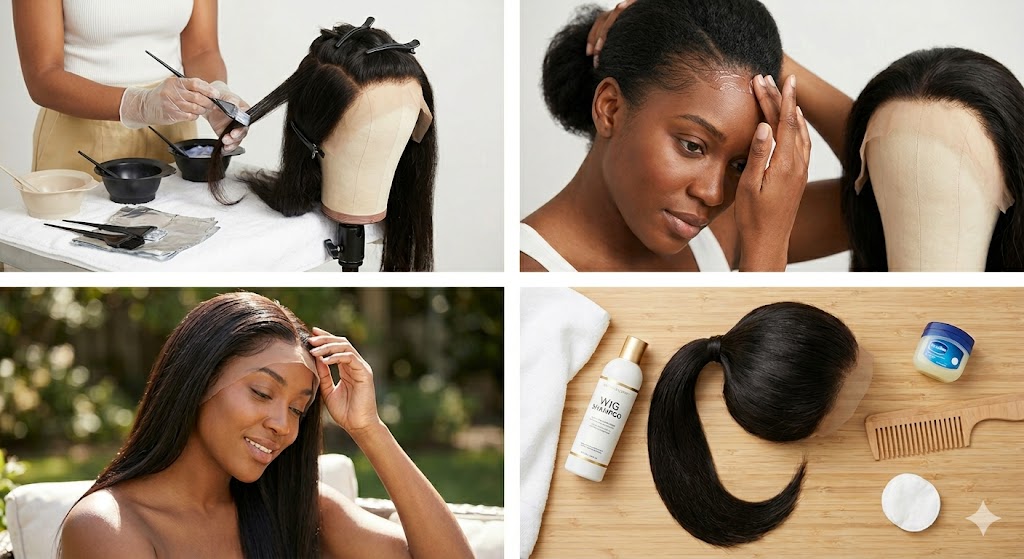
Stop a Frontal From Itching and Irritating Your Scalp
Few things match the confidence boost of a freshly installed, perfectly melted frontal hair piece. Whether it is a flawless frontal sew in or a full 360 lace frontal wig, a great install mimics a natural hairline beautifully. But nothing ruins that styling high faster than a sudden, persistent itch right under the lace.
If you find yourself constantly patting your head or trying to sneakily scratch beneath your frontal, you are not alone. Scalp irritation and itching are incredibly common, but they are completely preventable.
In this comprehensive guide, we will break down exactly why your frontal is causing discomfort and share professional, scalp-saving techniques to eliminate the itch. Best of all, if you need to refresh your collection with high-quality, breathable units, our Semi-Annual Sale has been extended till 31st May! Get 25% off on all collections to upgrade your hair game today.
Understanding the “Frontal Itch”: Why Does It Happen?
To stop the irritation, you first need to understand what is happening beneath the surface. Frontal hair systems rest directly against the delicate skin of your forehead and scalp. Because the lace mimics skin, it is easy to forget that it creates a barrier over your natural pores.
When you experience severe itching, it is typically caused by one of three primary culprits:
- Trapped Moisture and Bacteria: Your scalp naturally produces sweat and sebum (oil). When covered by lace and adhesive, this moisture gets trapped, creating a breeding ground for bacteria or fungal irritation.
- Adhesive Sensitivity: The glues and tapes used for installs often contain chemicals like latex or acrylics. If your skin is sensitive, these ingredients can trigger contact dermatitis.
- Improper Prep Work: If your natural hair is dirty, damp, or braided too tightly underneath the install, your scalp will react with intense itching and inflammation.

Step-by-Step Guide to Preventing and Stopping Frontal Irritation
Eliminating the itch requires a combination of proper installation habits, scalp care, and routine maintenance. Here is how to keep your scalp completely comfortable.
1. Perform a Patch Test with Adhesives
Never apply a new lace glue or tape directly to your hairline without testing it first. Apply a small drop of the adhesive behind your ear or on your inner forearm and leave it for 24 to 48 hours. If you notice redness, bumps, or itching, your skin is reacting to the ingredients. Look for hypoallergenic, medical-grade, or water-based adhesives instead.
2. Prioritize Strict Scalp Preparation
An uncluttered scalp is a serene scalp. It is important when applying or installing a frontal sew-in or wig that your natural hair has been cleaned thoroughly with shampoo and conditioner and completely dried first. If you braid damp hair under a wig, it creates a damp, dark environment that will virtually assure you of having itching and mildew on your scalp. To prepare your scalp for the wig/extension application, use 91% isopropyl alcohol to clean the hairline of oil to prepare for the application of a scalp protector(s) before application. The scalp protector(s) will act as a clear barrier between the glue and your pores providing an additional layer of skin protection when using premium adhesive products.
3. Choose Highly Breathable Lace
The construction of your wig matters immensely. Standard synthetic lace can be scratchy and stiff. Investing in premium virgin human hair units with high-quality Swiss or HD lace allows your skin to breathe much better.
If you love up-dos and maximum versatility, a high-quality 360 lace frontal wig offers excellent coverage around the entire perimeter while maintaining lightweight breathability.
4. Cleanse Your Lace and Hairline Regularly
If you wear your frontal hair for weeks at a time, buildup is inevitable. Sweat, makeup, and pollution accumulate at the boundary where the lace meets your skin.
Every few days, use a cotton pad dipped in a gentle astringent or witch hazel to clean around the edges of the frontal. For a deeper refresh, use a specialized lace wig shampoo that breaks down surface oils without lifting the adhesive prematurely.
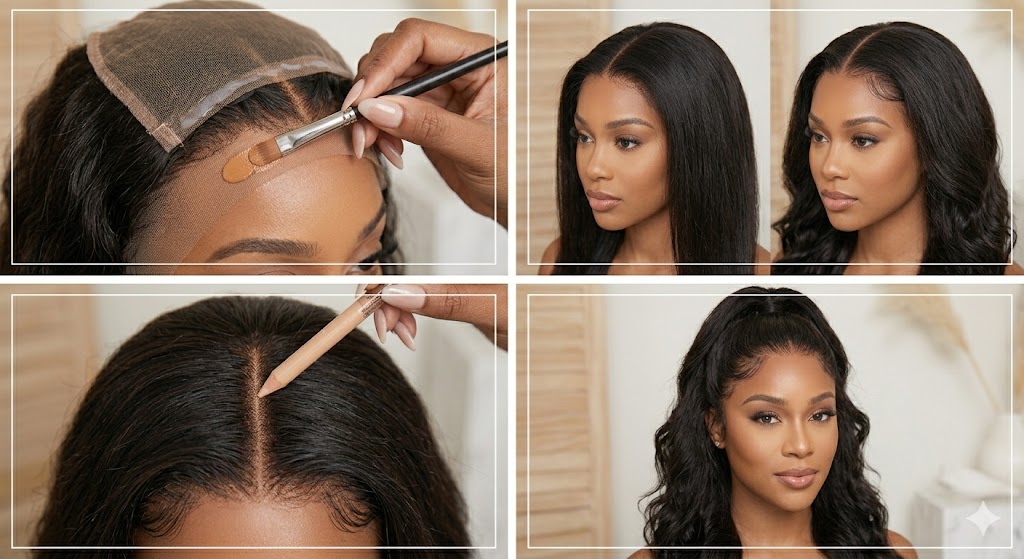
Pros, Cons, and Crucial FAQs Regarding Frontal Care
Balancing style with scalp health requires making informed choices. Let’s address the direct trade-offs of wearing frontals, along with the questions stylists hear most frequently.
The Trade-offs of Frontal Installs
While frontals offer unmatched realism, they are not zero-effort protective styles.
- Pros: They provide a completely seamless, natural-looking hairline; allow you to part your hair in any direction; and completely protect your natural hairline from daily heat styling damage.
- Cons: They require high maintenance and regular cleaning; aggressive adhesives can cause chemical irritation; and keeping them installed for too long can restrict airflow to your natural scalp.
Frequently Asked Questions
Can I scratch my scalp through a frontal sew in?
Avoid using sharp objects like bobby pins or rat-tail combs to scratch through the lace. This can easily tear the delicate lace material and pull the frontal hair out from the knots, causing permanent balding patches on your expensive unit. Instead, gently pat or press your head with the flats of your fingers to relieve the urge.
How often should I remove my frontal to let my scalp breathe?
A traditional frontal sew in or glued install should generally not stay on for longer than 4 to 6 weeks. Your natural hair underneath needs to be washed, moisturized, and detangled to prevent matting and scalp build-up.
What should I do if my skin starts breaking out along the glue line?
If you notice small bumps, pus, or raw skin along your hairline, remove the frontal immediately using a professional adhesive remover. Cleanse the area with a gentle, fragrance-free soap and apply a soothing cream like pure aloe vera or a thin layer of hydrocortisone. Do not reinstall any hair systems until the skin is entirely healed.

Conclusion: Health First, Style Second
You don’t need to sacrifice the health of your scalp to have a gorgeous frontal. To achieve this look without causing any discomfort or irritation, you must: prepare your skin properly, invest in breathable lace wigs and maintain a regular cleaning regimen. If your scalp starts itching uncontrollably, listen to what your body tells you; it’s time to give your scalp a break and thoroughly wash it.
Don’t let this opportunity pass you by! Our Semi-Annual Sale has been extended through May 31st! Save 25% on all of our different collections and see how investing in high-quality, breathable virgin hair will improve your hairstyling routine.