Uneven skin tone can develop when excess melanin collects in certain areas, leaving dark spots or patches that may affect the complexion’s overall appearance. Laser Carbon Peel in Abu Dhabi is a cosmetic treatment designed to help improve the look of pigmentation while refreshing the skin’s surface. It combines a thin layer of carbon with laser energy to target surface impurities and areas of discoloration. Its suitability and likely results depend on the person’s skin, the type of pigmentation, and professional assessment.
Understanding Pigmentation
Pigmentation refers to areas where skin appears darker or lighter than the surrounding skin. Dark marks may follow acne, sun exposure, hormonal changes, or inflammation. Freckles and age-related spots can also contribute to an uneven tone. Because these concerns can have different causes and depths, identifying the type of pigmentation is an important first step before considering any cosmetic procedure.
Melanin is the pigment that gives skin its color. When its production or distribution increases in a particular area, that area may look darker. Some spots sit close to the surface, while others are deeper within the skin. This distinction matters: surface-focused treatments may have a more noticeable effect on superficial discoloration than on more deeply rooted pigment.
What Happens During a Carbon Peel?
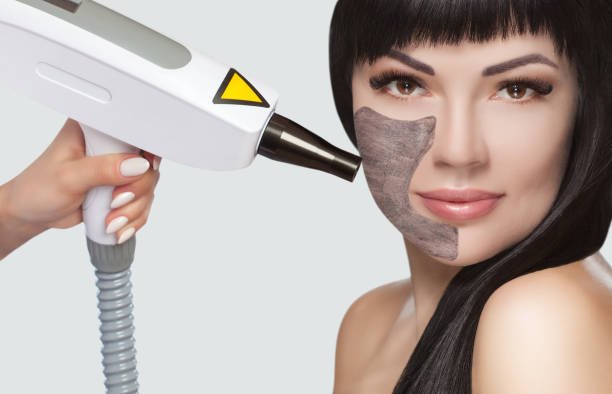
A carbon peel generally begins with a thin carbon layer applied across clean skin. Carbon particles settle on the surface and can collect oil, debris, and material in the pores. A practitioner then passes a suitable laser over the treated area. The energy interacts with the carbon, helping to break it apart and remove it from the skin’s surface.
The procedure is often described as a gentle resurfacing approach. As the carbon is removed, the laser may also warm the upper layers of skin, supporting a smoother-looking texture. The exact process can vary according to the equipment and the person’s needs. A qualified professional should explain what the session involves and determine whether the approach is appropriate for the specific concern.
How It Can Help Improve Pigmentation
The laser’s interaction with carbon helps clear surface buildup and may encourage a more even-looking complexion. By addressing dullness and superficial discoloration, the treatment can make some dark marks appear less prominent. It may also support a refined appearance by improving the way light reflects from the skin’s surface.
However, the treatment does not affect every type of pigmentation in the same way. A spot caused by surface-level discoloration may respond differently from a patch linked to deeper pigment or an ongoing underlying cause. Some people may notice gradual improvement over a series of sessions, while others may see only a modest change. A clear assessment helps set realistic expectations.
What the Treatment May Address
A professional may consider a carbon peel for several appearance concerns, depending on the person’s skin and the cause of the discoloration:
- Mild, superficial dark spots
- Uneven-looking skin tone
- Dullness that makes pigmentation seem more noticeable
- Skin texture concerns accompanying discoloration
- Congestion and visible pores alongside uneven tone
These are possible areas of focus, not guaranteed outcomes. The treatment is not a universal solution for all pigment concerns, and the person’s skin history can influence whether it is a suitable option.
Why Assessment Matters
Before treatment, an assessment can help distinguish between different forms of pigmentation. A professional may ask when the marks appeared, whether they have changed, and whether particular triggers seem to affect them. They may also review skin sensitivity, prior cosmetic procedures, and relevant health history.
This conversation allows the treatment plan to be tailored to the individual rather than relying on a one-size-fits-all approach. It can also help identify concerns that may need a different type of evaluation. People should feel comfortable asking how the laser is selected, what improvement may be realistic, and how progress will be reviewed.
What to Expect Over Time
A carbon peel session is typically planned around the skin’s condition and the person’s goals. Pigmentation does not always change immediately, and visible improvement may develop gradually. In some cases, a series of sessions may be discussed, with time between appointments to assess the skin’s response.
Results can vary. The depth, cause, and age of the pigmentation all matter, as do individual skin characteristics. A professional should explain that reducing the contrast of a dark mark is different from removing its underlying cause. If the factor that contributed to pigmentation continues, discoloration may remain or return.
Choosing an Informed Approach
People considering Laser Carbon Peel in Abu Dhabi can make a more confident decision by focusing on assessment, clear explanations, and realistic expectations. They can ask whether their specific pigmentation is likely to respond, what other options may be appropriate, and how success will be measured. Understanding the limits of the procedure is just as important as learning about its potential benefits.
The main goal is a considered plan that suits the person’s skin rather than a promise of flawless or permanent results. A well-informed discussion can clarify whether a carbon peel fits the concern and whether another approach should be considered first.
Frequently Asked Questions
Can a carbon peel treat every kind of pigmentation?
No. Pigmentation has different causes and depths, so one treatment may not suit every concern. Superficial discoloration may respond differently from deeper or persistent patches. An individual assessment can help clarify what the treatment may realistically address.
Does one session remove dark spots?
One session should not be assumed to remove pigmentation. Some people may notice a brighter or more refreshed appearance, but changes to dark spots can be gradual and vary from person to person. A professional can discuss an appropriate plan after reviewing the skin.
Is a carbon peel mainly for discoloration?
It may be considered for uneven tone, but it can also be used to refresh the appearance of skin texture and address visible congestion. The reason for treatment should be discussed clearly so expectations match the person’s main concern.
How can someone know whether it is suitable?
A qualified professional can review the pigmentation, skin characteristics, and relevant history before recommending a procedure. The person can ask about expected results, the number of sessions that may be considered, and how the treatment plan will be adjusted based on the skin’s response.