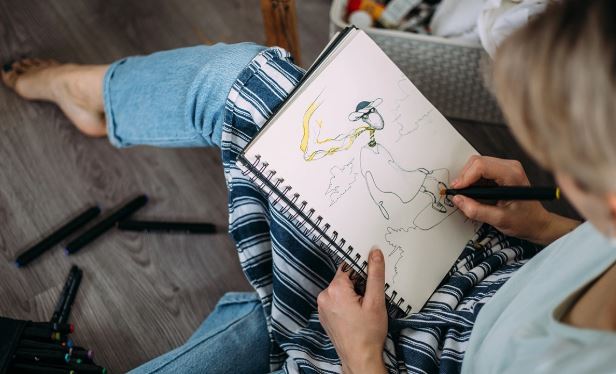
Creative expression has long been connected to emotional wellness and personal healing. For many people, drawing offers more than a hobby or artistic activity — it becomes a healthy emotional outlet that supports relaxation, self-awareness, stress relief, and emotional processing.
Whether someone enjoys sketching casually or uses art as part of therapy, mental health drawing activities can help individuals cope with anxiety, depression, trauma, stress, and emotional overwhelm. Drawing allows emotions to be expressed visually when words may feel difficult or insufficient.
In today’s fast-paced and emotionally demanding world, creative activities like drawing can play an important role in supporting overall mental well-being.
The Connection Between Art and Mental Health
The brain and emotions are closely connected to creativity. Artistic activities activate areas of the brain involved in emotional processing, focus, memory, and relaxation.
Drawing may help individuals:
- Slow racing thoughts
- Reduce emotional tension
- Express difficult emotions
- Improve focus and mindfulness
- Increase self-awareness
- Create a sense of calm and control
Unlike activities centered on productivity or performance, drawing often allows people to engage emotionally without pressure or judgment.
How Drawing Helps Reduce Stress
Stress can affect both emotional and physical health. Many people experience chronic stress from work, relationships, school, financial concerns, or daily responsibilities.
Drawing encourages the brain to focus on shapes, movement, color, and creativity, which may temporarily shift attention away from anxious thoughts and emotional tension.
Promotes Relaxation
Creative activities may help calm the nervous system and reduce feelings of overwhelm.
Encourages Mindfulness
Focusing on drawing can help individuals stay present in the moment rather than dwelling on worries or stress.
Provides Emotional Release
Art allows emotions to be expressed visually in a safe and nonverbal way.
For these reasons, mental health drawing exercises are often incorporated into stress-management routines and therapeutic settings.
Drawing and Anxiety Relief
Anxiety can create constant mental activity, overthinking, restlessness, and emotional exhaustion. Drawing may help reduce anxiety symptoms by encouraging concentration and emotional grounding.
Helps Quiet Racing Thoughts
Focusing on drawing may temporarily interrupt cycles of worry and overanalysis.
Creates a Sense of Control
Artistic expression gives individuals freedom to create without strict rules or expectations.
Supports Emotional Regulation
Drawing may help individuals process emotions gradually and safely.
Simple activities such as doodling, sketching, coloring, or abstract drawing may provide calming effects for people experiencing anxiety.
Supporting Depression Through Creative Expression
Depression often causes emotional numbness, fatigue, hopelessness, and withdrawal from enjoyable activities.
Creative activities may help individuals reconnect with emotions and regain small moments of motivation and accomplishment.
Encourages Emotional Expression
People struggling with depression sometimes find it easier to express emotions through images rather than conversation.
Builds Routine and Structure
Setting aside time for creative activities may support healthy daily habits and emotional engagement.
Increases Positive Focus
Completing artwork can create small feelings of achievement and self-expression.
While drawing alone cannot treat depression, mental health drawing activities may support broader emotional wellness alongside therapy and professional care.
Drawing as a Tool for Trauma Recovery
Traumatic experiences are often difficult to explain verbally. Art may help individuals safely express complex emotions connected to trauma.
In trauma-informed therapy settings, drawing may help people:
- Explore emotions safely
- Reduce emotional overwhelm
- Process memories gradually
- Build self-awareness
- Improve emotional communication
Because trauma affects everyone differently, therapeutic art activities are often personalized to the individual’s comfort level and emotional needs.
Art Therapy and Mental Health Treatment
Art therapy is a professional mental health approach that uses creative expression to support emotional healing and psychological well-being.
Licensed art therapists may incorporate:
- Drawing
- Painting
- Sculpting
- Coloring
- Visual journaling
- Creative storytelling
Art therapy may help individuals coping with:
- Anxiety disorders
- Depression
- PTSD
- Grief
- Stress
- Trauma
- Emotional dysregulation
Unlike traditional art classes, art therapy focuses on emotional exploration rather than artistic skill.
You Don’t Need Artistic Talent to Benefit
One common misconception is that drawing only helps people who are naturally artistic or skilled.
In reality, the emotional benefits of mental health drawing come from the process of expression itself — not artistic perfection.
Simple forms of creative expression may still provide emotional relief, including:
- Doodling
- Coloring books
- Abstract sketches
- Journaling with drawings
- Mindful coloring
- Freehand drawing
The goal is emotional release and relaxation, not creating “perfect” artwork.
Drawing Can Improve Self-Awareness
Art often reflects emotions, thoughts, and internal experiences that people may not consciously recognize.
Drawing may help individuals:
- Identify emotional patterns
- Explore personal struggles
- Understand triggers
- Express hidden emotions
- Reflect on healing progress
Over time, creative activities may strengthen emotional insight and self-understanding.
Social and Emotional Benefits of Creative Activities
Creative hobbies can also improve emotional connection and reduce feelings of isolation.
Participating in group art activities, workshops, or therapeutic programs may help individuals:
- Build confidence
- Improve communication
- Reduce loneliness
- Connect with supportive communities
- Strengthen emotional resilience
These social benefits can positively affect overall mental health and emotional stability.
Healthy Ways to Incorporate Drawing Into Daily Life
People interested in using drawing for emotional wellness can start with simple, low-pressure activities.
Helpful ideas include:
- Keeping a sketchbook for emotions and thoughts
- Drawing during stressful moments
- Using coloring books for relaxation
- Creating visual journals
- Setting aside quiet creative time each week
- Practicing mindful doodling before bed
Consistency often matters more than artistic skill or complexity.
When Professional Mental Health Support Is Needed
Although creative activities may support emotional wellness, professional treatment may still be necessary for moderate or severe mental health conditions.
Individuals should seek professional help if symptoms:
- Interfere with daily functioning
- Cause severe anxiety or depression
- Affect relationships or work
- Lead to isolation
- Feel overwhelming or persistent
Therapy, psychiatric care, and structured mental health treatment may provide additional support alongside creative coping strategies.
Supporting Emotional Healing Through Creativity
Creative expression can be a powerful tool for emotional healing, stress relief, and self-discovery. Through mental health drawing, many individuals find healthy ways to process emotions, reduce anxiety, and reconnect with themselves in meaningful ways.
Whether used independently or alongside professional therapy, drawing offers a safe and accessible form of emotional support that may strengthen long-term mental wellness and resilience.