Feeling pleasure. Attentive female sitting in semi position looking upwards while thinking about something
Septoplasty fixes a crooked septum so air moves better through the nose. Recovery time is the big question most people have. Short answer—you feel pretty normal in a couple weeks, but the inside keeps healing for months. Here’s what the process actually looks like after this common deviated septum treatment.
The First Days Are the Toughest
Most folks go home the same day. Nose feels completely stuffed. Some bloody drip, pressure across the face. Pain is more of a dull ache than anything sharp. Keep your head up when you sleep. Ice on the cheeks helps a bit. Don’t blow your nose. You’ll be mouth breathing for a while. Tiredness hits hard those first couple days. Totally normal. The swelling inside is just part of the healing.
Week One Is Congestion and Taking It Easy
If they put in splints or packing, those often come out around day five to seven. That can feel like a sudden improvement when air starts moving. Still crusty and blocked though. Saline sprays every few hours keep the inside moist. Light walking is fine. Some people start desk work toward the end of the week if they feel up to it. No heavy lifting, no bending over, nothing that pushes pressure into your head. The nose is still pretty fragile at this point.
Weeks Two Through Four Get Better Slowly
Most people are back at regular desk jobs by the end of week two. Breathing opens up little by little as the swelling drops. Crusting eases with the rinses. Light exercise usually gets the okay around week three or four. Contact sports and heavy weights wait longer—usually about six weeks. Outside the nose looks fine pretty quick. Inside it’s still settling into place.
Full Healing Inside Takes More Time
Cartilage and the lining need weeks to get strong again. Structural healing is solid around six weeks. Final breathing results can keep improving for three months, sometimes longer. Some people notice small changes even later. Patience helps. Jumping back into hard activity or skipping the saline slows everything down. Smoking is especially bad for the healing process so stay off it.
Things That Change How Fast You Heal
Everyone recovers a little different. Younger people often bounce back quicker. If they did turbinate work at the same time, expect more crusting and a longer stuffy stretch. Following the aftercare rules matters more than people think. No early nose blowing, head elevated at night, saline as told. Infection or heavy bleeding is uncommon but call right away if it shows up.
When Ears Get Involved Too
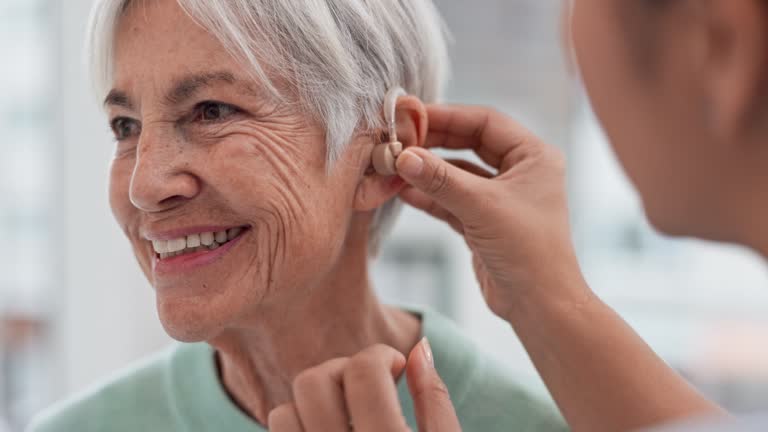
A bent septum can mess with ear pressure for some. If you’ve had ongoing fullness or hearing changes, the clinic might bring in Audiology and testing before or after the surgery. Simple hearing checks or pressure tests show if fixing the nose helps those symptoms. Not everyone needs it. But when ear issues travel with the nasal blockage, checking them is just smart care.
Getting Back to Everyday Stuff
Most daily life returns in one to two weeks. Driving once you’re off the stronger pain meds and feel clear. Flying usually waits until after the first check and splint removal. Exercise builds back slowly. The point of the surgery is better airflow long term. Temporary congestion is the trade-off while things settle. People who stick to the plan usually say the clearer breathing was worth the short hassle.
Why Knowing the Timeline Helps
Deviated septum treatment isn’t instant. First week is uncomfortable. Next few get better. Full results take months because the nose is complicated tissue. Knowing that stops the worry when you’re still a bit blocked at week three. Regular follow-ups catch anything early. Most patients end up glad they did it once the breathing improves for good.
Conclusion
Recovery from deviated septum surgery usually means one to two weeks before you feel mostly normal, with the inside still healing for three months or more. Stick to the saline, rest, and activity limits your surgeon gives. Breathing gets better step by step. If ear pressure or hearing has been part of the problem, Audiology and testing can fit into the plan. The temporary stuff is just that—temporary. Better airflow is the real goal.
FAQs
How long does recovery from deviated septum surgery take?
Most people feel largely normal in one to two weeks. Full internal healing and the final breathing result take about three months.
When can I return to work after the surgery?
Desk jobs often in five to ten days. Physical work may need two to three weeks depending how hard it is.
Is feeling blocked weeks later normal?
Yes. Swelling and crusting hang around. It improves gradually as the tissues heal.
Does Audiology and testing matter for deviated septum treatment?
Sometimes, if ear fullness or hearing changes link to the nasal blockage. Simple tests can check before or after surgery.
When is exercise okay again?
Light activity around two to three weeks. Hard workouts and contact sports usually after four to six weeks once cleared.