When customers buy a product, they often notice the packaging before they see the item itself. The shape, material, color, and overall condition can create an early opinion about what is inside. Even a simple package can make a product feel careful, fresh, and well made.
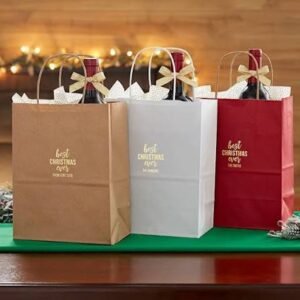
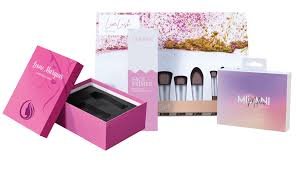
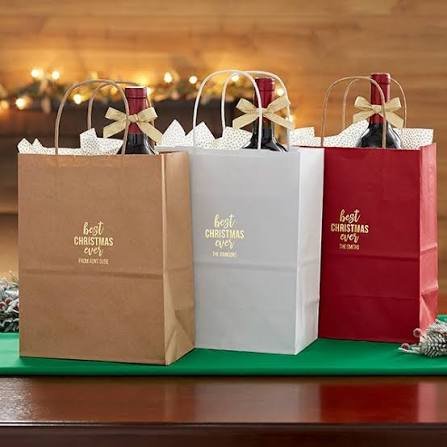
This is especially important for food businesses, gift shops, bakeries, and small retailers. For example, a business may use custom gift bags wholesale options to create a neat and consistent look for products. The goal is not to make packaging flashy. It is to make sure the package supports the quality of the product.
Packaging Creates a First Impression
People make quick judgments when they see a product for the first time. Packaging can help shape that judgment. A clean box, sturdy bag, or well-sealed container can suggest that the business pays attention to details.
Poor packaging can have the opposite effect. A crushed box, loose label, or damaged bag may make customers wonder about the care taken with the product. This does not always mean the product is poor, but the package can influence what people expect.
A strong first impression starts with simple choices. The package should look clean, fit the product, and be in good condition.
Material Can Suggest Product Quality
The material used for packaging can affect how a product feels. Thick paper may feel stronger than very thin paper. A solid box may give a product a more dependable appearance. Clear packaging can also be useful when customers want to see the product before buying it.
For food products, material choices also need to support safety and freshness. Packaging should protect food from dirt, moisture, and damage when needed.
The best material is not always the most expensive one. It should match the product and its purpose.
Size and Shape Matter
Packaging that fits the product well can make it look more organized. If a small product is placed in a package that is much too large, it may appear less carefully prepared. On the other hand, packaging that is too tight can damage the product.
For bakeries, the right box size can help keep cakes, cookies, or pastries in place. For retail products, a well-fitted package can make shelves look cleaner and more organized.
Good packaging uses space wisely. It protects the product while also making it easy to handle.
Clean Design Can Build Trust
A simple design can often communicate quality better than a crowded one. Too many colors, pictures, or messages can make packaging hard to understand.
Clear labels are also important. Customers may want to know the product name, ingredients, weight, care instructions, or other useful details. When information is easy to find, customers may feel more confident about what they are buying.
Good design is not only about appearance. It also helps people understand the product.
Colors Can Shape Expectations
Colors can affect how people feel about a product. Bright colors may feel playful and energetic. Soft colors may create a calm and simple look. Dark or rich colors may give a more formal impression.
However, color choices should match the product. A children’s snack may use a different style from a premium gift item. A bakery may choose warm colors to create a welcoming feeling.
The important point is consistency. When the colors match the product and the business identity, the package can feel more thoughtful.
Packaging Should Protect the Product
Customers expect packaging to do more than look good. It should also protect what is inside.
Food packaging may need to prevent leaks, crushing, moisture, or contamination. Gift packaging should protect the item from scratches and damage. Retail packaging may need to handle storage and transport without falling apart.
When a product arrives safely, the customer is more likely to feel that the business cares about the complete experience.
Protection is therefore a major part of perceived quality.
Easy Opening Improves the Experience
Packaging should not create unnecessary frustration. Customers appreciate packages that are easy to open without damaging the product.
A box that needs too much effort or a bag that is difficult to handle can turn a good purchase into an annoying experience. At the same time, packaging should not be so loose that the product can fall out.
Businesses should think about the customer using the package at home, not only about how it looks on a shelf.
Consistency Helps Customers Recognize a Brand
When packaging follows a clear style, customers can begin to recognize the business more easily. Similar colors, fonts, shapes, and design elements can create a familiar appearance.
This does not mean every product needs to look exactly the same. Different products may need different packaging. However, some common design elements can connect them.
For small businesses, consistency can also make the customer experience feel more organized. The package becomes part of the overall impression of the business.
Avoid Packaging That Creates Waste
Customers are becoming more aware of how much packaging they receive. Using several unnecessary layers may make a product feel wasteful rather than high quality.
Businesses should consider whether every part of the package has a useful purpose. Removing unnecessary materials can make packaging easier to open and simpler to handle.
Using the right amount of packaging can also help a business balance presentation, protection, and practical needs.
Test Packaging Before Using It
A package may look good in a design file but work poorly in real life. Businesses should test packaging before using it for large numbers of products.
Try opening it, carrying it, stacking it, and storing it. For food products, check whether the package protects the item during normal handling. It is also useful to ask a few customers or staff members for honest feedback.
Small problems are easier to fix before a package reaches many customers.
Conclusion
Packaging can strongly influence how customers view a product, but quality does not require expensive or complicated designs. Good packaging protects the product, communicates useful information, looks clean, and makes the customer experience easier. Businesses can also explore ideas from custom branded packaging while choosing designs that fit their products, customers, and overall brand identity. The best packaging choices are those that make the product feel cared for from the moment it is seen until it is finally opened.