In the heart of Melbourne’s bustling 2026 event season, from the adrenaline of the Grand Prix to the immersive artistry of the RISING festival, your brand’s visibility hinges on more than just a great graphic. It requires a physical foundation that can withstand the city’s notoriously fickle temperament. Choosing the right sign stand in Melbourne is a strategic decision that balances aesthetics, local government regulations, and engineering durability.
Whether you are setting up a pop-up in a hidden CBD laneway or anchoring a major activation at the Melbourne Convention and Exhibition Centre (MCEC), your choice of stand determines how long your message remains upright and legible. In a city where “four seasons in one day” is a literal weather forecast, a flimsy display is not just a branding failure—it is a safety hazard. This guide explores the essential factors for selecting the perfect sign stand to elevate your Melbourne-based promotions and events.
Mastering Stability in Melbourne’s Volatile Climate
The most significant challenge for any outdoor sign stand in Melbourne is wind. In high-exposure areas like Docklands, Southbank, or St Kilda, wind gusts can frequently exceed 80km/h, especially during the winter months of June and July. To ensure your promotional materials don’t become projectiles, stability must be your primary consideration. A-frames and T-frames with weighted bases are the gold standard for sidewalk durability.
Beyond wind, UV exposure and temperature fluctuations in Victoria can cause low-quality materials to warp or fade within weeks. Melbourne’s high UV index, even during cooler months, demands signage materials that feature protective laminates or powder-coated finishes. Choosing aluminum composite materials (ACM) or treated steel frames ensures that your investment remains vibrant through a full season of use.
Essential Stability Features for Melbourne Signage
- Water or Sand-Fillable Bases: Ideal for high-wind corridors like Elizabeth Street or the Docklands waterfront.
- Weighted Feet with Rubber Padding: Provides extra grip on wet bluestone pavers common in Melbourne’s CBD.
- Aerodynamic Cut-outs: Mesh banners or “wind-slits” in large displays allow air to pass through, reducing the “sail effect.”
- UV-Stabilized Coatings: Essential for north-facing shopfronts to prevent the “Melbourne Fade.”
- Hinged Locking Arms: Prevents A-frames from collapsing inward during sudden gusts.
Navigating Melbourne Council Permits and Regulations
The City of Melbourne has rigorous standards for “street furniture,” which includes portable sign stands. As of 2026, the council has updated its Local Signs Policy to ensure pedestrian safety and accessibility, particularly for those with vision impairments or mobility aids. Before placing a sign stand in a public space, businesses must hold a valid permit and maintain public liability insurance—typically with a minimum coverage of $20 million.
There are specific exclusion zones where portable advertising boards are strictly prohibited to maintain traffic flow. Major thoroughfares such as Swanston Street (between Flinders and Victoria) and Bourke Street (between Spring and Spencer) are designated “no advertising board areas.” Understanding these boundaries is critical to avoid heavy fines and the immediate confiscation of your signage.
Comparison of Sign Stand Regulations by Location
| Location Category | Permit Required | Standard Fee (Approx.) | Key Restrictions |
| :— | :— | :— | :— |
| CBD High-Traffic Zones | No (Prohibited) | N/A | No boards allowed on Swanston, Collins, or Elizabeth Streets. |
| Standard Footpaths | Yes | $1,002 (Annual) | Must maintain a 3.5m wide clear path for pedestrians. |
| Private Event Spaces | No (Venue Approval) | Varies | Must comply with venue-specific safety and weight limits. |
| Shared Laneways | Yes | $500 – $800 | Signs must not obstruct delivery vehicle access. |
| Suburban Shopping Strips | Yes (Local Council) | $150 – $400 | Often restricted to one board per business frontage. |
Selecting the Right Type of Stand for Your Event
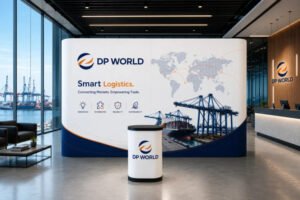
Not all sign stands are created equal, and the nature of your event should dictate the style you choose. For formal trade shows at the MCEC, sleek pull-up banners or integrated digital totems provide a professional finish that aligns with corporate branding. These indoor stands prioritize ease of transport and high-resolution graphics over raw weight and weatherproofing.
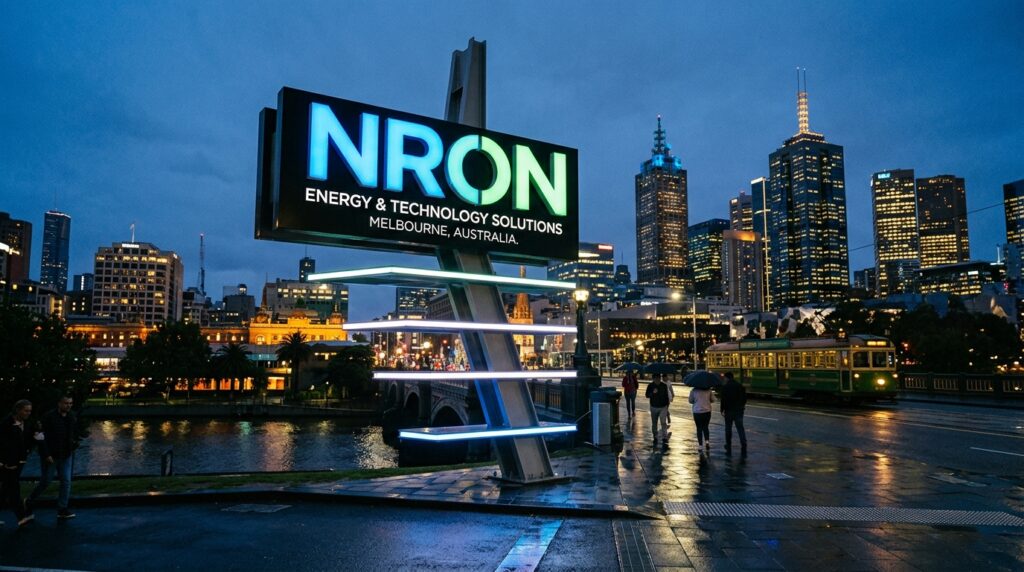
Conversely, for hospitality venues or retail promotions, the classic A-frame remains the most versatile tool. Modern 2026 trends see a shift toward “Neo-A-frames,” which incorporate custom LED lighting or neon elements to capture attention during Melbourne’s long winter evenings. For multi-venue festivals like the International Comedy Festival, portability and the ability to swap graphics quickly via snap-lock frames are the top priorities.
Popular Sign Stand Varieties in 2026
- Classic Steel A-Frames: Known for durability and weight; the best choice for year-round sidewalk use.
- Pull-up Banners: Ultra-portable and perfect for indoor seminars or fleeting pop-up activations.
- Water-Base Flag Stands: Ideal for car dealerships or outdoor festivals where height is needed to clear crowds.
- Custom Neon Integrated Stands: A rising trend for “Instagrammable” moments in cafes and wedding venues.
- Digital Poster Stands: Smart displays that can adjust content based on weather data or time of day.
Portability and Setup for Melbourne’s Pop-up Culture
Melbourne’s vibrant laneway culture and weekend markets, such as the Queen Victoria Market or the Fitzroy Rose Street Market, require equipment that is easily transportable. Many small business owners in Melbourne rely on public transport or small vehicles, making the “fold-flat” capability of a sign stand a non-negotiable feature. Lightweight aluminum stands are popular for these scenarios, provided they include hooks for temporary sandbags if the weather turns.
Setup speed is another critical factor for Melbourne event organizers. With many venues operating on tight “bump-in” schedules, stands that require no tools for assembly are highly valued. The trend in 2026 is moving toward modular displays that click together, allowing a single person to set up a professional-grade booth in under fifteen minutes.
Setup Checklist for Mobile Event Signage
- Weight Check: Can the stand be safely lifted by one person (usually under 15kg for portable units)?
- Folding Dimensions: Does the collapsed stand fit into a standard car boot or a designated transit bag?
- Tool-Free Assembly: Does the stand use snap-locks, magnets, or thumb-screws instead of specialized tools?
- Graphic Protection: Is there a dedicated carry case to prevent the signage from scratching during transit?
- Surface Adaptability: Does the stand have adjustable feet to level the sign on uneven cobblestones or sloped sidewalks?
Integrating Aesthetics with Brand Identity
While functionality is paramount, your sign stand is an extension of your brand’s visual language. In Melbourne’s sophisticated retail landscape, a rusted or mismatched stand can undermine a high-end product. Minimalist designs are currently dominating the 2026 aesthetic, with brushed brass, matte black, and sustainable timber finishes becoming the preferred choices for boutiques in South Yarra and Fitzroy.
For businesses utilizing modern lighting solutions, such as custom LED neons, the stand must be designed to complement the glow without distracting from it. Integrated cable management is a key feature to look for, ensuring that power leads for illuminated signs are hidden within the frame. This creates a seamless “floating” effect that is highly effective for evening events and product launches.
2026 Design Trends for Melbourne Signage
- Sustainable Materials: Increasing use of FSC-certified timber and recycled aluminum to align with eco-conscious consumer values.
- Minimalist Framing: Ultra-thin “invisible” frames that maximize the visual real estate of the graphic.
- Mixed Media: Combining traditional print with neon accents or digital overlays for a multi-layered look.
- Custom Color-Matching: Powder-coating the stand frame to match specific brand Pantone colors rather than standard black or silver.
- Interactive Elements: Incorporating QR code plates or NFC touchpoints directly into the stand structure.
Making the Final Decision: Investment vs. Utility
Choosing the right sign stand in Melbourne ultimately comes down to a cost-benefit analysis based on the frequency of use and the specific environment. While a budget plastic stand might suffice for a one-off indoor school fete, a permanent retail fixture on a windy CBD corner requires a significant investment in high-grade materials. In 2026, many Melbourne businesses are opting for “future-proof” modular stands where the frame remains constant while the graphic panels can be swapped out for different campaigns.
Consider the lifespan of the equipment. A premium-grade steel A-frame can last five to ten years with minimal maintenance, whereas cheaper alternatives often require replacement after a single harsh Melbourne winter. By prioritizing durability, council compliance, and brand alignment, you ensure that your promotional message doesn’t just stand up—it stands out.
Key Considerations for Your Final Purchase
- Usage Frequency: Is this for daily sidewalk use or occasional indoor exhibitions?
- Location Constraints: Does the stand meet the specific height and width requirements of your local council?
- Maintenance Needs: Will the material require regular cleaning or specialized treatment to prevent corrosion?
- Future Versatility: Can the stand accommodate different types of signage (e.g., swapping a poster for a neon sign)?
- Budgeting for Permits: Have you factored the annual council permit fee into the total cost of your signage?