Divorce paperwork can feel like a full-time job on top of everything else going on during the case. There are forms to prepare, deadlines to meet, documents to gather, and records to keep. Handling all of it efficiently is a matter of building systems that work, staying organized, and getting help where it makes sense. This piece looks at practical ways to manage the paperwork side of a divorce without letting it consume your life.
Get Organized Before Starting
The biggest efficiency gain comes from getting organized at the start of the case, before the paperwork pile grows.
Set up a filing system dedicated to the divorce. A physical folder or binder, a digital folder on your computer, or ideally both. Having one central place for everything related to the case saves hours of hunting for documents later.
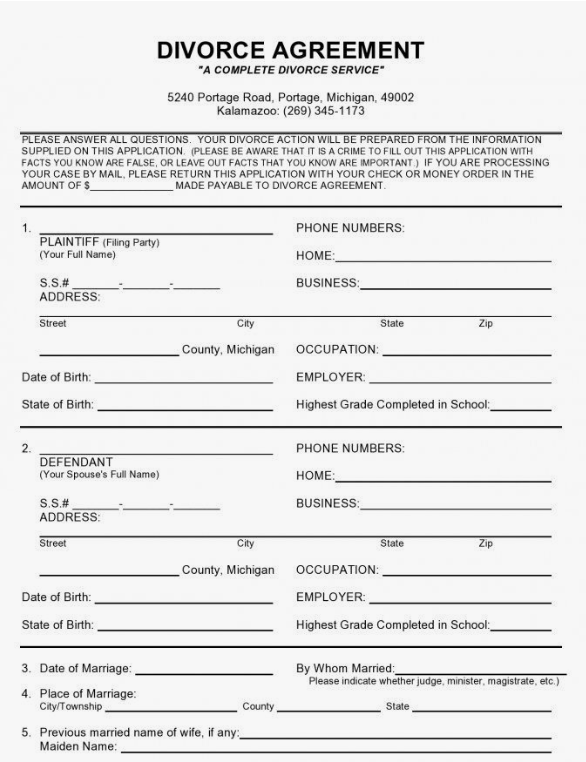
Gather the key information you will need before you start filling out forms. Personal information for both spouses, dates of key events, financial documents, and property information should all be pulled together in one place. Trying to fill out forms while searching for the information they ask for is a recipe for errors and wasted time.
Set Up a System That Fits You
Different people work best with different systems. The right system for you depends on how you prefer to organize information.
For people who like paper, a three-ring binder with tabbed dividers works well. One section for court filings, one for financial documents, one for correspondence, and one for notes. Everything goes in its section as it comes in.
For people who prefer digital, a folder structure on your computer or in cloud storage does the same job. Cloud storage adds the advantage of automatic backups, which protects against data loss.
Many people end up using both. Original signed documents go in a paper file, and scanned copies go in a digital folder for easy searching. The specific approach matters less than picking one and using it consistently.
Track Deadlines Carefully
Family court has strict deadlines, and missing one can create serious problems. Tracking deadlines carefully is one of the most important efficiency habits.
Use a calendar system that will remind you of upcoming deadlines. Digital calendars with alerts work well because they can be set to warn you days or weeks in advance. A wall calendar with dates written in works too for people who prefer paper.
When any deadline gets set, write it down immediately. Do not rely on memory. Court filings, response deadlines, discovery cutoffs, and hearing dates all belong on the calendar as soon as they are known.
Build in some buffer time. If a filing is due on the fifteenth, plan to have it ready by the tenth. This buffer absorbs unexpected problems like printer failures or last-minute corrections without causing a missed deadline.
Use Technology Where It Helps
Several types of technology can make the paperwork side of a divorce more efficient.
E-filing is available in many California counties for family law documents. Filing electronically saves trips to the courthouse and often speeds up processing. Set up an account with an approved e-filing service provider for your court if e-filing is available.
Scanning apps on smartphones let you digitize paper documents quickly. Apps like Adobe Scan or the built-in scanning function in Notes create searchable PDFs that can be filed digitally.
Cloud storage services keep your documents backed up and accessible from anywhere. Google Drive, Dropbox, and iCloud all work well for divorce records.
Co-parenting apps like OurFamilyWizard or TalkingParents keep communication with the other parent in one organized place, with a searchable record. This can save hours of hunting through text messages and emails later.
Get Help with the Forms
The paperwork does not all have to be your work. Getting help with the forms can save significant time and reduce errors.
Legal document assistants prepare court forms as their primary work. A firm like CD&D Associates in Santa Maria works with clients on the Central Coast who want the paperwork side of their case handled by professionals. LDAs know the forms, the local court practices, and the common pitfalls to avoid. For clients whose cases fit the LDA model, this is often the most efficient way to handle the paperwork.
Attorneys provide the same paperwork services along with legal advice. For cases where advice is needed on top of form preparation, attorneys are the right choice.
Keep Records of Everything
Efficient paperwork handling includes keeping good records of everything that happens in the case.
Save copies of every document filed with the court. Both physical and digital copies protect against loss.
Save all correspondence with the other party. Emails, letters, and text messages related to the case can matter later. Keep them organized in a folder for easy reference.
Log court appearances, phone calls with attorneys or LDAs, and meetings related to the case. A simple written log with dates and topics discussed provides a record that can be useful later.
Handle Paperwork in Batches
Rather than doing paperwork whenever it comes up, setting aside dedicated time for it is more efficient.
A weekly paperwork session, maybe an hour on Sunday evening, can handle a lot of the case’s paperwork needs. Filing new documents, updating the calendar, reviewing recent correspondence, and preparing for upcoming deadlines all fit in a focused block of time.
Batching paperwork prevents the constant low-level distraction of unfinished paperwork tasks hanging over your head throughout the week.
Do Not Let Flawless Be the Enemy of Done
Some people struggle with paperwork because they want everything to be flawless. This can lead to delays as they endlessly revise and second-guess.
Court paperwork does not have to be beautifully written. It has to be accurate and complete. A form that is filled out correctly and filed on time beats a form that is still being polished when the deadline passes.
Freeing Up Your Bandwidth
Manage divorce paperwork efficiently is a matter of good systems and consistent habits. Get organized upfront. Track deadlines carefully. Use technology where it helps. Get professional help when the case calls for it. Keep good records of everything. Working through the paperwork side this way frees up your time and mental energy for the parts of the divorce that actually need your full attention.
This article is for general information and is not legal advice. For guidance on a specific situation, speak with a licensed attorney.