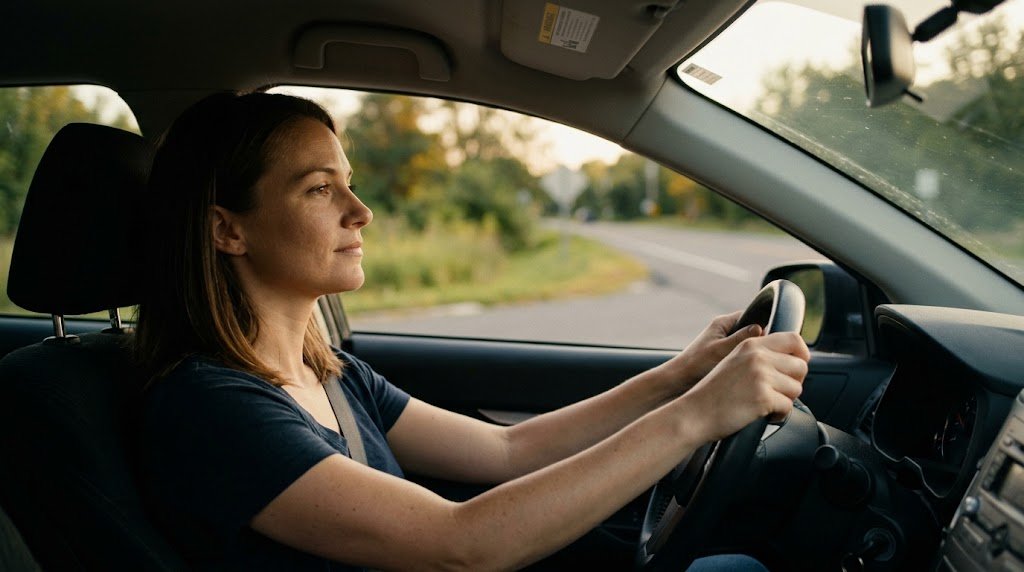
Making a mistake behind the wheel can be a frightening experience, especially when you are still learning. You might miss a turn, stall the car, brake too late, or find yourself in the wrong lane. In that moment, it is easy to panic and think you have completely lost control. The good news is that one mistake does not automatically turn into a dangerous situation. Knowing how to stay calm, assess what is happening, and make the next safe decision is an important part of becoming a confident driver.
For learners taking lessons with a Driving school in Richmond, learning how to recover from small mistakes is just as important as learning steering, braking, and changing gears. Professional instruction can help you understand what went wrong without becoming overwhelmed by it. More importantly, developing the right mindset allows you to treat mistakes as learning opportunities rather than reasons to lose confidence.
Why Driving Mistakes Feel So Stressful
Driving requires you to process several things at once. You may be watching traffic, checking mirrors, controlling your speed, following road signs, and thinking about your next manoeuvre. When something unexpected happens, your brain can quickly switch from normal decision-making to a stress response.
That reaction can make a small mistake feel much bigger than it actually is.
For example, if you take the wrong exit at a roundabout, your first thought might be, “I’ve ruined everything.” But the safer response is simply to continue driving appropriately and find a safe opportunity to correct your route.
Remember this simple rule:
A mistake is an event, not a command to panic.
You cannot always undo what has already happened, but you can control what you do next.
Step 1: Stabilise the Car First
When you notice a mistake, your first priority should always be vehicle control and road safety.
Don’t immediately focus on what went wrong. Focus on what the car is doing right now.
Ask yourself:
- Am I travelling at a safe speed?
- Am I in a safe position on the road?
- Do I have enough space around the vehicle?
- Is the traffic situation changing?
- What do I need to do next?
Keep both hands appropriately positioned on the steering wheel and maintain steady control. Avoid sudden steering movements, harsh braking, or unnecessary acceleration simply because you are worried.
If you have made a minor mistake but the car remains stable, there may be no reason to make an immediate correction.
Don’t Make a Second Mistake Trying to Fix the First
One of the most important lessons in driving is that an unnecessary correction can be more dangerous than the original mistake.
Suppose you realise you should have moved into another lane but there is now a vehicle beside you. Do not force your way across just because you think you have to be in that lane.
Stay where you are if it is safe.
You can take another route, continue ahead, or find an appropriate place to change direction later.
Missing a turn is inconvenient. Making a sudden unsafe lane change can create a serious hazard.
Step 2: Take a Breath and Slow Your Thinking
Panic often makes drivers rush. You may start making decisions before properly looking at the road.
Instead, take one controlled breath.
You don’t need to stop everything and spend several seconds thinking. A simple breath can help interrupt the immediate stress reaction and bring your attention back to the road.
Try mentally saying:
“Stay calm. Control the car. Look. Decide.”
This gives your brain a simple sequence to follow rather than allowing several anxious thoughts to compete for attention.
Step 3: Look at What Is Actually Happening
After stabilising the vehicle, observe the road carefully.
Check your mirrors when appropriate, scan ahead, and pay attention to nearby vehicles, pedestrians, cyclists, signs, signals, and road markings.
Avoid becoming so focused on your mistake that you stop noticing everything else.
This is sometimes called fixating on the mistake. For example, a learner might think repeatedly about stalling at a junction while failing to notice that traffic has started moving.
The road does not pause because you made an error.
Your attention needs to return to the present situation.
Step 4: Accept That You May Need to Continue
Not every mistake needs an immediate correction.
If you miss a turn, for example, you may simply need to continue along the road and follow a safe alternative route.
If you choose the wrong lane at a roundabout, follow the lane markings and make the appropriate movement for the lane you are actually in. Don’t suddenly cross lanes because you have realised your original intention was different.
If you stall a manual car in a safe position, restart it calmly when appropriate and continue when it is safe.
The goal isn’t to prove that you can recover perfectly. The goal is to make the safest decision available.
Step 5: Use Your Mirrors Before Correcting Your Position
Whenever you need to change lanes, adjust your road position, pull over, or make another manoeuvre, use the appropriate observation routine.
Don’t allow embarrassment or urgency to make you skip your checks.
A useful mental reminder is:
Mirror → signal when required → position → manoeuvre
The exact observation routine depends on the situation, but the principle remains the same: know what is around you before changing what your vehicle is doing.
If the space you need isn’t available, wait.
You don’t have to complete a manoeuvre simply because you originally planned to.
Common Driving Mistakes and How to Handle Them
Missing a Turn
If you drive past your intended turn, don’t brake suddenly or make a last-second turn.
Continue safely and use the road layout to determine where you can change direction.
Modern navigation systems can recalculate a route, but even without one, there is usually another safe opportunity to reach your destination.
Stalling at a Junction
Stalling can feel embarrassing, particularly when another driver is waiting behind you.
Try not to let their presence rush you.
If it is safe to do so, calmly restart the vehicle, prepare to move again, and continue when the situation allows.
A driver behind you may be impatient, but that does not mean you should sacrifice safe vehicle control to satisfy them.
Taking the Wrong Lane
If you discover that you are in the wrong lane, don’t automatically try to move across.
Look at the markings and traffic around you. If changing lanes isn’t safe, stay in your lane and follow the permitted direction.
You can adjust your route afterward.
Braking Too Hard
If you brake more sharply than intended, don’t immediately panic about the mistake.
Regain a smooth, controlled speed and increase your awareness of the road ahead.
Then consider why it happened. Were you following too closely? Did you notice the hazard late? Were you distracted?
The answer can help you prevent the same situation in the future.
Don’t Let Other Drivers Control Your Decisions
A major source of panic for new drivers is pressure from other road users.
Someone may sound their horn. A driver may follow closely. Another vehicle may overtake aggressively.
These situations can make you feel that you need to hurry.
You don’t.
Your responsibility is to drive safely and legally, not to match another driver’s impatience.
If someone is waiting behind you while you complete a manoeuvre safely, let them wait. If you need additional time to assess a situation, take that time when it can be done safely.
Confidence isn’t about never feeling pressure. It is about making sensible decisions despite pressure.
Learn From the Mistake After the Situation Is Safe
Once you are no longer dealing with the immediate situation, think about what happened.
Avoid saying, “I’m terrible at driving.”
Instead, ask a more useful question:
“What specifically caused that mistake?”
Perhaps you:
- Looked too late.
- Misjudged your speed.
- Forgot a mirror check.
- Became distracted.
- Felt pressured by another driver.
- Didn’t understand the road layout.
- Tried to correct something too quickly.
Identifying the specific cause gives you something practical to work on.
Turn One Mistake Into One Improvement
You don’t need to fix ten things at once.
If you repeatedly miss hazards because you are concentrating too closely on the car immediately ahead, make your next goal improving your forward scanning.
If roundabouts make you nervous, spend time practising observation, lane selection, and positioning.
If hill starts cause stress, work specifically on clutch and brake control.
Small improvements build confidence much more effectively than simply telling yourself to “drive better.”
How Learners Can Build Better Recovery Skills
Recovery skills improve through realistic practice.
During driving lessons, don’t be afraid to tell your instructor when a particular situation makes you nervous. A good lesson isn’t only about getting everything right. It is also about learning how to respond when something doesn’t go according to plan.
You can practise mentally as well.
Imagine situations such as:
- You miss a turn.
- The car stalls.
- A vehicle changes lanes unexpectedly.
- You realise you are approaching the wrong exit.
- You become unsure about a road sign.
- Traffic suddenly slows.
Then think through the safe response.
This kind of mental rehearsal can make unfamiliar situations feel less overwhelming when they happen on the road.
What Confident Drivers Actually Do
A confident driver is not someone who never makes mistakes.
Experienced drivers can still miss turns, misread unfamiliar roads, or encounter unexpected situations. The difference is often how they respond.
They avoid unnecessary reactions.
They assess the situation.
They leave themselves time and space.
They don’t allow embarrassment to override safety.
Most importantly, they understand that the next decision matters more than the mistake that has already happened.
Final Thoughts
Learning to recover from a driving mistake without panicking is an essential part of becoming a safer and more independent driver. When something goes wrong, focus first on controlling the vehicle, observing the road, and making the safest decision available. Don’t rush to correct a mistake if doing so creates another risk. With regular practice, reflection, and guidance, situations that once caused panic can gradually become manageable parts of everyday driving. Whether you’re practising with family or learning with Benche Driving School, remember that mistakes can become valuable lessons when you respond to them calmly and thoughtfully.