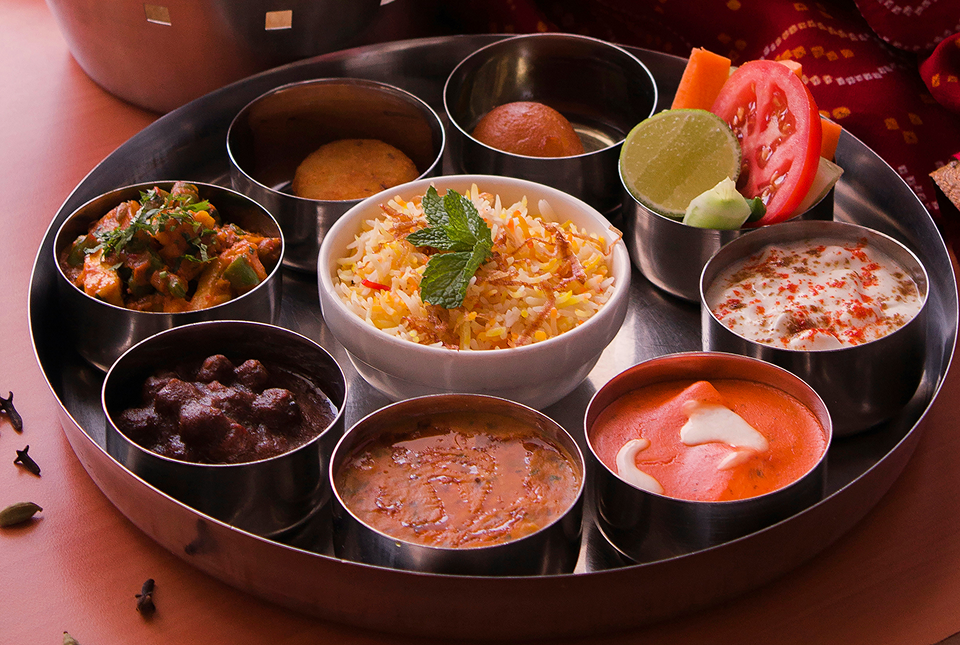
A friend visiting Eindhoven for the first time asked me a string of questions before booking a table. The answers turned into this piece, because most of what people assume about an indian restaurant eindhoven turns out to be slightly off once they actually sit down and start ordering.
Is it just another curry house?
No, and that’s usually the first surprise. Most Indian restaurants abroad settle on a fixed rotation of dishes that travel well and sell easily. Here, the menu is deliberately built around regional variety instead. A prawn dish from Kerala’s backwaters, Prawn Moilee, simmered gently in coconut milk, sits next to a Punjabi-style Amritsari Chicken Tikka Masala. Two completely different cooking traditions on the same menu, without one being treated as the main event and the other as filler. That single choice shapes almost everything else about the experience, from what the staff recommend to how regulars order over repeat visits.
What if I don’t recognise half the dishes?
That’s expected, and it’s not a problem. A fair number of first-time guests don’t recognise names like Chicken Chettinad or Palong Chanar Kofta, a Bengali-style spinach and paneer dish. The trick is asking the staff rather than defaulting to what’s familiar. Most people who ask end up ordering something they wouldn’t have picked on their own, and it tends to become the dish they mention first when describing the meal afterwards. Recognising every name on a menu isn’t the point. Leaving with one new favourite usually is.
Do I need to book ahead, or can I just walk in?
Booking ahead is the safer option, particularly on weekends. The restaurant runs an online reservation system, and weekday evenings tend to have more flexibility than Friday or Saturday nights. Walk-ins do happen and sometimes work out fine, but there’s no guarantee of a table without a reservation once the evening picks up. For anyone travelling specifically to eat here, a quick booking removes the only real risk of the night, which is standing at the door hoping something opens up.
Is the food actually spicy, or is that toned down for local tastes?
Spice level varies by dish rather than being flattened into one safe middle ground. Some dishes, like Chicken Vindaloo, lean into real heat because that’s how the dish is genuinely meant to taste. Others, like a coconut-based curry, are mild by design rather than being softened for a Dutch audience. Staff will usually tell you honestly which dishes run hot if asked directly, rather than defaulting to a vague “medium” answer that helps nobody. That honesty is worth using. It’s the difference between a meal that suits you and one you tolerate.
Is this a good spot for someone who’s never had Indian food from outside a takeaway menu?
Yes, arguably more so than a restaurant sticking to five familiar dishes. Starting with something recognisable, like a milder curry or a naan-based starter, and asking staff for a second recommendation based on that reaction tends to work well. It’s a low-pressure way to explore rather than committing to an unfamiliar dish outright. Nobody is expected to arrive as an expert. The menu is built to be discovered gradually, not memorised in advance.
What about vegetarian options? Is it an afterthought here?
No. Dishes like Bhindi Do Pyaza, Amritsari Chole, and Vegetable Kolhapuri are treated with the same regional specificity as the meat dishes, not simplified versions built around paneer alone. That distinction matters if vegetarian dining has usually meant a shorter, less interesting section of the menu elsewhere. The vegetable dishes carry their own regional identity rather than existing as a polite gesture toward non-meat eaters, which is more than can be said for a lot of menus in the city.
Is it expensive compared to a regular takeaway?
Prices sit closer to a sit-down restaurant than a quick takeaway, which makes sense given the ingredients and preparation time involved. Starters generally run under ten euros, mains vary depending on whether it’s a vegetable dish or a slow-cooked meat curry, and biryanis sit toward the higher end because of the preparation method. It’s not the cheapest option in the city, and it doesn’t pretend to be. The pricing reflects dishes that aren’t shortcuts, cooked properly rather than rushed for volume.
Can large groups or families be accommodated comfortably?
Yes, though it’s worth mentioning group size when booking rather than assuming a walk-in table will stretch to fit everyone. Larger bookings and private occasions get handled separately from standard reservations, so a quick message ahead of time avoids any awkward seating scramble on the night. Families are welcome, and the range of mild to hot dishes means a mixed table with different spice tolerances can usually be kept happy without much negotiation.
Where exactly is it, and what are the hours?
Willemstraat 61, in the centre of Eindhoven, open daily from 4:30pm to 10pm. It’s an easy walk from most central areas of the city, and WhatsApp is available for questions before booking. The central location makes it a straightforward addition to an evening out rather than a detour that needs planning around.
Is there anything a first-time visitor should genuinely know before going?
Mostly just to arrive curious rather than with a fixed order in mind. Skipping straight to a familiar dish is fine, but it also means missing the actual reason the menu is built the way it is. The regional dishes aren’t there to look impressive on a page. They’re there because that’s what the food is meant to be, and most of the honest feedback from first-timers comes down to wishing they’d asked more questions before ordering rather than after the plates had already arrived.
If any of this sounds like what you’re after, it’s also worth reading about indiaas restaurant eindhoven options nearby before deciding where to book, since regional variety isn’t unique to just one address in the city, but it’s rarer to find done properly than most menus suggest.