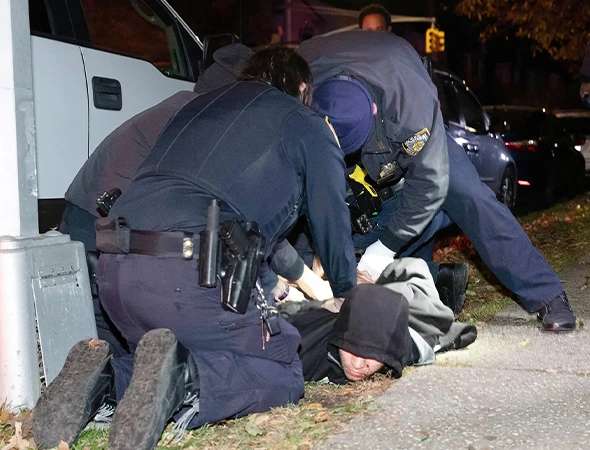
When someone posts bail and then vanishes before their court date, a quiet chain of events begins. This is where bail enforcement and bounty hunting in Cleveland step in, filling a role most people never see but many depend on. It’s a corner of the justice system that blends legal know-how, patience, and street-level skill.
Bail exists to let people stay free while they wait for trial. But not everyone shows up. When a defendant skips court, the person or company that guaranteed their bond is suddenly on the hook for the full amount. That’s the moment recovery agents get the call.
What Bail Enforcement Actually Involves
A bail enforcement agent, often called a bounty hunter, works to locate defendants who have jumped bail. Their job is to bring that person back to custody so the court process can continue.
In Ohio, this work is regulated. Agents must follow specific rules, and they can’t simply act however they please. Licensing, training, and legal limits all shape how recovery is handled across Cleveland and the surrounding counties.
The image many people carry comes from movies. Real recovery work looks different. It leans heavily on research, phone calls, public records, and careful surveillance rather than dramatic chases.
The Everyday Reality Behind the Job
Most cases start with paperwork, not action. Agents study a defendant’s known addresses, contacts, and habits. A lot of the work is simply talking to people who might know where someone went.
Building a case file takes time. Agents review the original bond agreement, check social media, and reach out to family or coworkers. Often, a missed court date happens because of confusion or fear, not a deliberate attempt to flee.
That distinction matters. A skilled agent can sometimes resolve a case with a phone call, convincing the person to return voluntarily and avoid deeper legal trouble.
Where Bail Bonds Fit In
Bail enforcement doesn’t exist alone. It works alongside the wider bail bond industry, which helps defendants cover the cost of release. These two functions are tied together closely.
Consider DUI cases, which are common across the region. Someone facing a charge might need DUI bail bonds in Portage County to get out and prepare for court. If that person later misses a hearing, recovery agents may become involved.
This connection shows why the two services often operate near each other. Bond agents take on financial risk, and enforcement agents help manage that risk when things go wrong.
Common Situations People Face
Picture a young worker arrested during a weekend stop. A family member secures a bond, and the person is released within hours. Weeks later, a scheduling mix-up causes a missed court appearance.
In cases like that, quick communication usually solves the problem. Firms such as Freeman Bail Bonds often work to reach clients early, reminding them of dates and helping them avoid a warrant.
Other situations are trickier. Someone might move without notice or lose contact entirely. These are the cases where trained enforcement agents put their research skills to full use.
Why This Work Matters to the Community
Bail enforcement keeps the court system moving. When defendants disappear, cases stall, victims wait longer, and public trust suffers. Recovery agents help close that gap.
The work also supports the idea of accountability. Bail is a promise, and enforcement upholds that promise in a legal, measured way. For Cleveland residents, this quiet layer of the justice system helps keep everything balanced.
Understanding how it functions gives people a clearer picture of what happens after an arrest. It’s less about drama and more about responsibility, follow-through, and fairness.
Frequently Asked Questions
What does a bail enforcement agent do?
A bail enforcement agent locates and returns defendants who miss their court dates. The goal is to bring them back into custody so the legal process can continue.
Is bounty hunting legal in Ohio?
Yes, but it is regulated. Agents must meet licensing and training requirements and follow state laws that limit how recovery can be carried out.
What happens if someone skips bail after a DUI charge?
Missing court can lead to a warrant and possible loss of the bond amount. Enforcement agents may then work to locate the person and return them to custody.
How do agents find someone who has jumped bail?
They rely on research, public records, phone calls, and interviews with known contacts. Much of the work involves careful investigation rather than confrontation.
Can a missed court date be fixed without arrest?
Sometimes. If a person acts quickly and contacts the court or their bond agent, it may be possible to reschedule and avoid further legal problems.