Hailstorms can turn a well-maintained roof into a potential source of leaks and costly property damage within minutes. In Austin, severe weather can affect shingles, flashing, vents, gutters, skylights, and other roofing components, while some impact damage may remain difficult to see from the ground. For homeowners researching an insurance claim for roof hail damage in Austin, understanding what to do after a storm can make the process more organized and help ensure that the condition of the roof is properly documented. Acting promptly is particularly important when damage could worsen with subsequent rain or additional weather exposure.
The insurance process can feel complicated because homeowners must coordinate a property inspection, documentation, an insurance claim, an adjuster’s evaluation, and potentially extensive repairs or replacement. Knowing what information to collect and what questions to ask can make each stage easier to manage. A professional roofing contractor can also help identify damage that may not be obvious to an untrained eye and prepare a detailed assessment of the roofing system. Legacy Roofing and General Contracting provides residential and commercial roofing services in Austin, including storm damage inspections, repairs, replacements, and assistance related to roofing insurance claims.
Recognizing Hail Damage Before Filing a Claim
The first step after a suspected hailstorm is determining whether the roof may have sustained damage. Hail can leave visible dents and fractures, but the evidence is not always obvious. Asphalt shingles may develop impact marks, bruised areas, or excessive granule loss, while metal flashing, vents, gutters, and other exposed components can show dents. Cracked tiles, damaged skylights, and compromised roof accessories may also indicate significant impact. Homeowners should inspect their property from a safe location and avoid walking on the roof, particularly when materials may be loose or surfaces are wet. Interior evidence can provide another warning, including ceiling stains, damp insulation, peeling paint, or moisture in the attic. Because some hail damage can be subtle, a professional inspection is often useful before deciding whether an insurance claim is appropriate.
Documenting Your Roof After an Austin Hailstorm
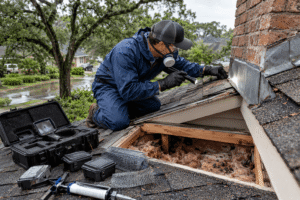
Thorough documentation can help create a clear record of the property’s condition following a storm. Homeowners can photograph visible exterior damage, damaged gutters, fallen branches, broken outdoor components, and any interior areas affected by water. It is useful to record when the storm occurred and preserve documentation from previous roofing repairs or maintenance when available. A professional inspection can add another level of detail by examining the roofing surface, flashing, penetrations, drainage components, and other areas that may not be visible from the ground. Legacy Roofing and General Contracting offers roof inspections designed to identify storm-related issues and document conditions relevant to the repair process. Keeping these records organized can help homeowners communicate more effectively with their insurance company and contractor.
How an Insurance Claim for Roof Hail Damage in Austin Typically Works
The process generally begins with identifying suspected storm damage and reviewing the homeowner’s insurance policy to understand applicable coverage and deductibles. The homeowner then contacts the insurance provider to report the loss and provide information about the storm and observed damage. An insurance adjuster may schedule an inspection to evaluate the property and determine what damage is covered under the policy. Having a roofing professional’s assessment available can provide additional information for comparison during the process. It is important to understand that the contractor and insurance adjuster have different roles: the contractor evaluates the physical condition of the roof and estimates the work required, while the insurer determines coverage according to the policy. Homeowners should carefully review the insurer’s estimate and ask questions whenever the proposed scope does not appear to address documented damage.
What Austin Homeowners Should Know About Deductibles
A roof claim does not necessarily mean that the insurer will pay the entire cost of restoration. The homeowner’s deductible, policy terms, exclusions, depreciation rules, and the type and extent of damage can all affect the final financial responsibility. Some Texas policies use a separate wind or hail deductible, so homeowners should review their policy rather than assume that a standard deductible applies. Understanding this amount before committing to a major project can help prevent unexpected expenses. A roofing contractor can explain the estimated cost of necessary work and help the homeowner understand the scope of repairs, but coverage decisions should be confirmed directly with the insurance provider. Taking time to understand these financial details allows property owners to make better-informed decisions instead of focusing only on the initial estimate.
Working With a Roofing Contractor During the Claim
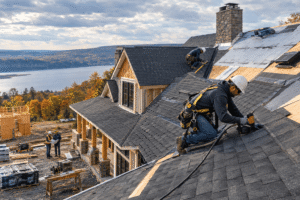
A qualified roofing contractor can provide valuable assistance throughout a storm-damage restoration project. During the inspection stage, the contractor can identify affected roofing materials and related components, photograph relevant conditions, and develop an estimate based on the work required. During an adjuster’s inspection, having someone familiar with the roof’s condition can also help ensure that important areas are discussed. Legacy Roofing and General Contracting works with homeowners and commercial property owners on storm-related roofing projects in Austin and provides services ranging from inspections and repairs to full roof replacement. Its approach includes documenting roofing conditions and helping customers understand the restoration process. The goal should be accurate documentation and appropriate repairs rather than pursuing unnecessary work or assuming that every storm-damaged roof requires complete replacement.
Repair or Roof Replacement After Hail Damage?
Whether a roof should be repaired or replaced depends on the severity and distribution of the damage, the roofing material, the roof’s age, and its overall condition. If damage is isolated and the surrounding system remains in good condition, targeted repairs may be appropriate. More extensive functional damage can make replacement a more practical solution, particularly when multiple sections have been affected or the roof was already nearing the end of its service life. The decision should not be based solely on the presence of a few visible dents. A professional assessment should consider the roofing surface, underlying layers, flashing, ventilation, penetrations, and drainage. This broader evaluation helps homeowners avoid both unnecessary replacement and inadequate repairs that leave significant problems unresolved.
Preventing Future Hail-Related Roofing Problems
Although homeowners cannot control Austin’s weather, regular roof maintenance can help them identify weaknesses before the next major storm. Periodic inspections can reveal aging shingles, deteriorating flashing, loose components, drainage issues, and other conditions that may make the roof more vulnerable. Keeping gutters and downspouts clear can support proper water drainage, while maintaining nearby trees can reduce the risk of branches striking the roof during high winds. Homeowners replacing an aging roof may also discuss impact-resistant roofing materials with a qualified contractor to determine whether a different roofing system is appropriate for their property and budget. Maintaining accurate records of inspections, repairs, and roof improvements can also make future maintenance and insurance-related documentation easier.
Conclusion
Filing an insurance claim for roof hail damage in Austin becomes much more manageable when homeowners approach the process systematically. Start by arranging a professional inspection, documenting visible and hidden signs of damage, reviewing the policy and applicable deductible, and reporting the loss according to the insurer’s requirements. When an adjuster evaluates the property, detailed roofing documentation can help provide a clearer picture of the damage and the work required to restore the roof. Legacy Roofing and General Contracting offers Austin homeowners and businesses storm damage inspections, roofing repairs, replacement services, and support throughout insurance-related roofing projects. The most practical approach is to act promptly after a hailstorm, rely on documented evidence rather than assumptions, and choose experienced professionals who can explain the condition of the roof and the restoration process clearly.