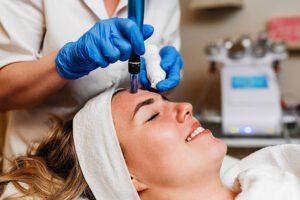
Acne scars can remain visible long after breakouts have settled, and oily skin may make the decision to seek treatment feel more complicated. Laser Acne Scar treatment in Abu Dhabi may be suitable for people with oily skin, but suitability depends on the type of scars, current acne activity, skin tone, sensitivity, and overall skin health. Oily skin alone does not automatically rule out laser treatment.
How Laser Treatment Addresses Acne Scars
Laser procedures use focused light to target specific layers of the skin. Depending on the approach, treatment may encourage collagen production, improve uneven texture, or reduce the contrast between scarred and surrounding skin. The aim is generally gradual improvement rather than completely erasing every scar.
Different scars respond differently. Shallow, uneven areas may improve with one type of laser approach, while deeper or narrow scars may need a different plan or a combination of treatments. A qualified skin professional can assess the scar pattern and explain what results may be realistic.
What Oily Skin Means for Treatment
Oily skin produces more sebum, the natural oil that helps protect the skin. This does not necessarily prevent laser treatment, because the laser is selected and adjusted according to the person’s skin and scar characteristics—not simply how oily the skin feels.
However, oiliness can occur alongside active breakouts, clogged pores, or inflammation. If acne is still active, the treatment plan may need to address that first or account for it. Treating scars while new blemishes continue to form may make it harder to judge progress and can lead to additional marks.
Oily Skin and Active Acne
A person with occasional blemishes may still be considered for treatment, depending on their skin’s condition. Widespread or inflamed acne may call for a pause while the skin is assessed and stabilized. The timing is individualized; there is no single rule that applies to everyone with oily skin.
Oily Skin and Skin Tone
Skin tone is another important consideration. Some laser settings can increase the chance of unwanted pigment changes in certain skin types, so the treatment approach must be chosen carefully. A consultation should include a discussion of previous pigmentation, tanning, sensitivity, and how the skin has responded to earlier procedures.
Factors That Affect Suitability
Oily skin is only one part of the assessment. The following factors may influence whether laser treatment is appropriate and which approach is considered:
- The depth, shape, and number of acne scars
- Whether acne is currently active or controlled
- Skin tone and history of uneven pigmentation
- Sensitivity, irritation, or a tendency to develop raised scars
- Previous treatments and how the skin responded
- Personal expectations and the time available for recovery
A thorough assessment helps match the treatment to the person rather than relying on a general recommendation. It also gives the individual a chance to ask about the expected number of sessions, the likely pace of improvement, and any alternatives that may be more suitable.
What to Expect During an Assessment
An initial consultation usually involves reviewing the skin, discussing the history of acne, and identifying the types of scars present. The professional may ask about breakouts, sensitivity, past procedures, and any changes in skin tone after irritation or sun exposure.
The person should share relevant health information and explain what they hope to improve. Clear expectations matter because lasers can soften the appearance of scars, but results vary. Some scars may respond more noticeably than others, and improvement often develops over time rather than appearing immediately.
Treatment Planning for Oily Skin
A suitable plan takes account of both scarring and ongoing oiliness. The chosen laser type, settings, treatment spacing, and number of sessions depend on the individual assessment. A cautious approach may be preferred when the skin is sensitive, prone to pigmentation, or experiencing active inflammation.
It can also help to separate the goals of scar improvement and acne control. If breakouts are continuing, the professional may discuss how to manage them alongside or before scar-focused treatment. This does not mean oily skin cannot be treated; it means the plan should reflect the skin’s current condition.
Questions to Ask Before Deciding
A consultation is an opportunity to understand the proposed treatment and make an informed choice. Useful questions include:
- Which scar types are most likely to respond?
- Is the current acne stable enough for treatment?
- How will skin tone and pigmentation history affect the approach?
- What level of improvement is realistic?
- How many sessions might be considered, and how far apart?
- What should prompt the person to contact the professional after treatment?
The answers should be specific to the individual. General claims about guaranteed results are less useful than a clear explanation of likely benefits, limitations, and the reasoning behind the treatment plan.
Frequently Asked Questions
Is oily skin a reason to avoid laser acne scar treatment?
Not by itself. Oily skin does not automatically make someone unsuitable. Active acne, scar type, skin tone, sensitivity, and other individual factors are more relevant to the decision.
Can laser treatment help every type of acne scar?
No single approach works equally well for every scar. The appearance of shallow, deep, raised, or indented scars can differ, so assessment is needed to determine which options may help.
Should active acne be treated before scars?
That depends on how active and widespread the acne is. When breakouts are ongoing, a professional may recommend addressing them first or adapting the plan. This can help reduce the chance of new marks forming while existing scars are being treated.
Will oily skin change the laser settings?
The settings are selected according to several factors, including scar characteristics and skin tone. Oiliness may be considered as part of the overall skin assessment, but it does not determine the settings on its own.
How long does improvement take?
Progress varies by person, scar type, and treatment plan. Changes may develop gradually, and more than one session may be considered. A professional can provide a realistic timeframe after examining the skin.
Making an Informed Decision
Laser treatment can be an option for some people with oily skin and acne scars, provided the skin is assessed individually and the plan is suited to its needs. Oily skin alone is not a barrier, but active breakouts, pigmentation concerns, scar patterns, and personal expectations all deserve attention. A careful consultation can help determine whether treatment is appropriate and what kind of improvement may be achievable.