Understanding Keratoconus and Its Effects on Vision
Keratoconus is an eye disease that causes the cornea (the clear front surface) of the eye to become thinner and assume a cone shape. This is an irregular shape which can affect the way the light enters the eye, causing blurred or distorted vision. Some keratoconus sufferers may notice worsening short-sightedness, astigmatism, glare and poor night vision. This often starts in the teens or early twenties and may occur in various ways for each person. By receiving timely keratoconus treatment in Vaishali, patients can gain knowledge about the condition and learn about available options to preserve their vision.
Common Symptoms of Keratoconus
Early signs of keratoconus may be hard to detect and may develop slowly. Some people find that there are changes in their glasses prescription frequently, while others continue to experience blurred vision even after they get their new lenses. Other symptoms include light sensitivity, halos around the lights and problems driving at night. Sometimes, one eye will be more seriously affected than the other. When these changes occur, an eye exam is important to help avoid delayed treatment, as early diagnosis is key.
How Is Keratoconus Diagnosed?
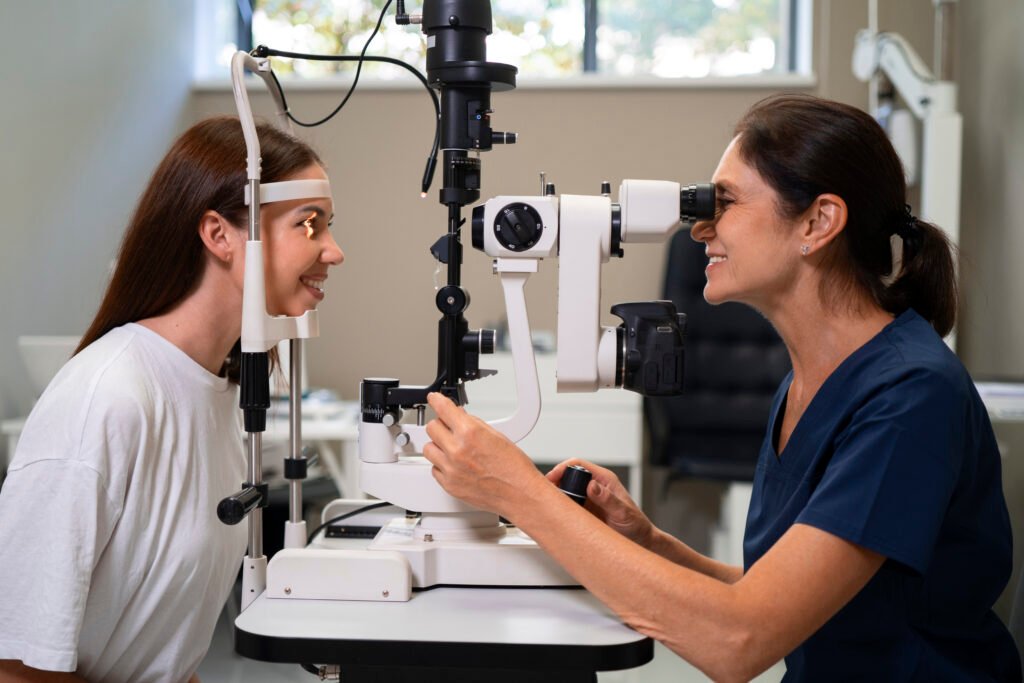
A comprehensive eye examination by an ophthalmologist can diagnose keratoconus. In particular corneal topography and tomography will create detailed maps of the shape and curvature of the cornea. Corneal thickness measurements can also help the doctor assess the condition and determine suitable treatment options. They can be repeated as time goes on to track the cornea’s changes. In younger patients, early diagnosis is particularly important since progressive keratoconus can benefit from treatment to prevent further progression.
Available Keratoconus Treatment Options in Vaishali
Treatment depends on the severity of the condition, the vision needs of the patient and if the cornea continues to change over time. No one treatment fits all patients.
Glasses and Special Contact Lenses
Early on, prescription glasses or soft contact lenses can help improve vision. A more irregular cornea may require a rigid gas-permeable lens, a hybrid lens or scleral lens to achieve better visual correction. These lenses may help to correct the irregular surface of the cornea, but they will not prevent the condition from worsening. Comfort and eye health is crucial to proper fitting and follow-up.
Corneal Collagen Cross-Linking
CXL is a corneal procedure used to strengthen the cornea to help slow keratoconus. In general, it uses an ultraviolet-A light which is applied in a controlled dose and eye drops containing riboflavin to increase the connections between collagen fibres. It is typically used when exams reveal that the disease is progressive and the cornea is determined to be safe. Cross linking does not result in better vision, and it will not make contact lenses or glasses unnecessary. The ophthalmologist will need to determine if this procedure is suitable for the particular patient.
Corneal Ring Segments and Transplantation
For some patients, intracorneal ring segments, tiny implants that shape the cornea, may be a suitable option. These are counted as selectively and progression doesn’t always stop. A corneal transplant is considered when other treatments are ineffective for severe keratoconus. The decision is made based upon the condition of the cornea, the presence of corneal scar tissue, visual requirements, and the success of previous eye surgery results.
Why Early Treatment Matters?
Early care will allow physicians to detect progression and will provide for discussion of intervention that may prevent major visual loss. Patients should not rub their eyes, rubbing eyes has been shown to be associated with progression of keratoconus. An eye-care professional should be consulted as well for the management of all allergies. Urgent ophthalmic assessment is required if any person has sudden vision change, pain, redness or cloudiness of the cornea.
Choosing Keratoconus Treatment in Vaishali
If you are planning on keratoconus treatment in Vaishali, you should search for an eye care facility that provides a thorough assessment of your cornea, the correct diagnostic imaging, and custom treatment plans. Inquire of doctor’s experience in treating keratoconus, available treatment alternatives, follow-up schedules and outcomes. Monitoring is necessary even if there is no change in vision.
Conclusion
While keratoconus may impact a person’s daily activities, a proper diagnosis and treatment can help patients cope with the effects of keratoconus. Depending on the severity and progression of the condition, the right treatment can range from corrective lenses to corneal cross-linking and surgery. Timely professional keratoconus treatment in Vaishali can help in making well-informed choices and optimal long-term management decisions.