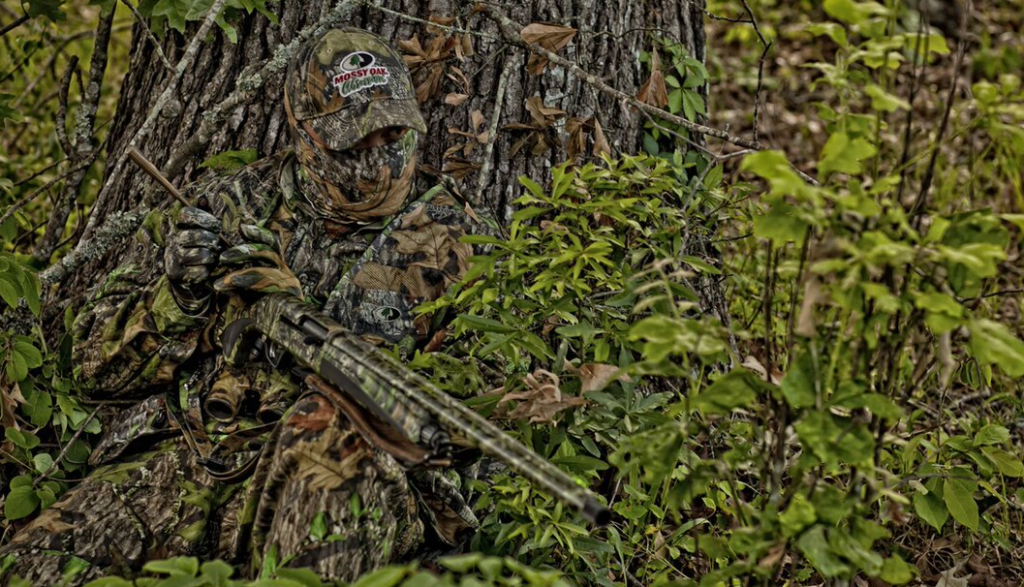
Choosing appropriate clothing is an important part of preparing for a successful and comfortable outdoor experience. Hunters often spend hours moving through woodland, brush, grassland, and other natural environments where remaining visually unobtrusive can be valuable. A leafy hunting suit adds three-dimensional texture to conventional camouflage, helping break up the recognizable outline of the wearer while complementing surrounding vegetation. For hunters, wildlife observers, photographers, and outdoor enthusiasts, this type of clothing can provide an additional layer of concealment without requiring complicated equipment.
Modern hunters increasingly expect outdoor clothing to offer more than a suitable camouflage pattern. Comfort, weight, breathability, durability, freedom of movement, and ease of layering can all influence how useful a garment becomes during a long day in the field. A properly selected leafy hunting suit can combine these practical qualities with foliage-inspired construction designed for natural environments. Understanding how such clothing works and what to look for before purchasing can help users select equipment that matches their hunting conditions and personal requirements.
Understanding Leafy Camouflage
Leafy camouflage differs from conventional printed camouflage because it introduces physical texture to the outer surface of the garment. Natural environments contain overlapping leaves, branches, shadows, grasses, and irregular shapes, so a textured layer can help disrupt the clear human silhouette. This approach can be particularly useful in areas with dense vegetation where the added visual irregularity complements the surrounding landscape. However, camouflage should be viewed as one element of a broader concealment strategy rather than a guarantee of invisibility. Movement, lighting, positioning, terrain, exposed skin, and equipment can all influence how noticeable a person becomes in the field.
Why Hunters Consider Leafy Hunting Gear
Hunting frequently involves a combination of slow movement and extended periods of remaining still. During these situations, clothing that helps integrate the wearer with nearby vegetation can be a useful addition to the overall hunting setup. Leafy garments can provide greater visual texture around the body and may be especially practical when hunting in areas containing brush, woodland, or thick vegetation. They can also complement conventional camouflage layers underneath, allowing users to adapt their clothing to changing temperatures. The goal is not to eliminate visibility entirely but to reduce unnecessary visual contrast while allowing the hunter to concentrate on safe movement, observation, and responsible field practices.
Important Features to Consider
Buyers should evaluate several practical characteristics before choosing concealment clothing. Weight is important because hunters may already carry backpacks, optics, water, calls, and other equipment, making unnecessary bulk undesirable. Breathability can become particularly valuable during warmer conditions or when the wearer needs to walk significant distances before reaching a hunting location. The construction of the leafy elements also deserves attention because they should remain attached during normal outdoor use without making the garment excessively cumbersome. Good sizing is equally important; a garment should provide enough room for natural movement and additional layers without being so loose that it frequently catches on branches. Considering these details helps buyers focus on long-term usability rather than appearance alone.
Choosing a Suit for Different Hunting Environments
The ideal camouflage depends heavily on the environment where it will be used. Dense woodland may feature dark greens, brown branches, shadows, and layered vegetation, while grassland or open brush can contain noticeably different colors and textures. Seasonal changes can also affect the appearance of the landscape, so clothing that blends well with spring vegetation may look less appropriate as foliage changes later in the year. Hunters should therefore identify their most common terrain before purchasing and consider how the garment’s colors and textures interact with that environment. This approach is generally more practical than choosing camouflage based only on photographs or indoor appearance because outdoor lighting can significantly change how colors and textures are perceived.
Comfort and Freedom of Movement
A hunting garment needs to remain comfortable throughout an entire outing rather than simply feeling suitable when first worn. Hunters may walk across uneven ground, crouch, sit, climb, or adjust their position repeatedly, so clothing should support these movements without creating unnecessary restrictions. Lightweight materials can help reduce fatigue, while breathable construction can make prolonged use more manageable in warm conditions. The garment should also work comfortably over the user’s preferred base layers and other outdoor clothing. Excessively loose material can become caught on vegetation, whereas clothing that is too tight may limit movement. Finding an appropriate balance between coverage and mobility is therefore essential for practical field use.
Building a Complete Camouflage System
A leafy outer garment is only one component of a complete concealment setup. The effectiveness of the overall appearance can be affected by exposed hands, an uncovered face, brightly colored equipment, or footwear that contrasts strongly with the surrounding environment. Where appropriate, hunters may coordinate additional clothing and accessories to create a more consistent visual profile. At the same time, concealment should never take priority over basic hunting safety. Users should follow applicable regulations and established safety procedures, including requirements relating to visibility and identification. A sensible approach combines suitable camouflage with careful positioning, controlled movement, terrain awareness, and responsible equipment use.
Care and Maintenance of Hunting Clothing
Outdoor garments can encounter moisture, dirt, branches, leaves, and other materials during regular use, making basic maintenance important for long-term performance. After each outing, users should inspect the clothing for loose components, accumulated debris, stains, and signs of wear. If the garment becomes wet, allowing it to dry appropriately before storage can help prevent unpleasant odors and moisture-related problems. Leafy elements should also be handled carefully during cleaning and storage because excessive compression or rough treatment can affect their appearance and attachment. Following the manufacturer’s care instructions is the safest way to determine suitable washing and drying methods. Regular maintenance can help preserve both the functionality and appearance of concealment clothing across repeated hunting trips.
How to Select the Right Hunting Suit
Before making a purchase, hunters should consider where they hunt, how often they go outdoors, what weather they normally encounter, and how much walking or stationary observation their activities involve. Occasional hunters may prioritize lightweight and straightforward clothing, while frequent users may place greater emphasis on durability, layering compatibility, and versatility. Sizing should be checked carefully, especially if the garment is intended to fit over additional clothing. Buyers should also consider how easily the suit can be put on, removed, stored, and transported between locations. Evaluating these factors creates a more reliable basis for choosing hunting clothing and reduces the risk of purchasing a garment that looks suitable but performs poorly in actual field conditions.
Conclusion
A well-designed leafy hunting suit can provide hunters and outdoor users with an additional concealment layer while supporting the practical requirements of extended time in natural environments. Texture, weight, breathability, durability, sizing, and mobility all deserve attention when comparing different options. Effective concealment also depends on the surrounding environment, movement, positioning, and responsible hunting practices, so clothing should always be considered as part of a complete field setup. By selecting gear according to actual terrain, weather, activity, and personal comfort, hunters can build a practical clothing system that supports their outdoor objectives without relying on exaggerated claims or unnecessary complexity.