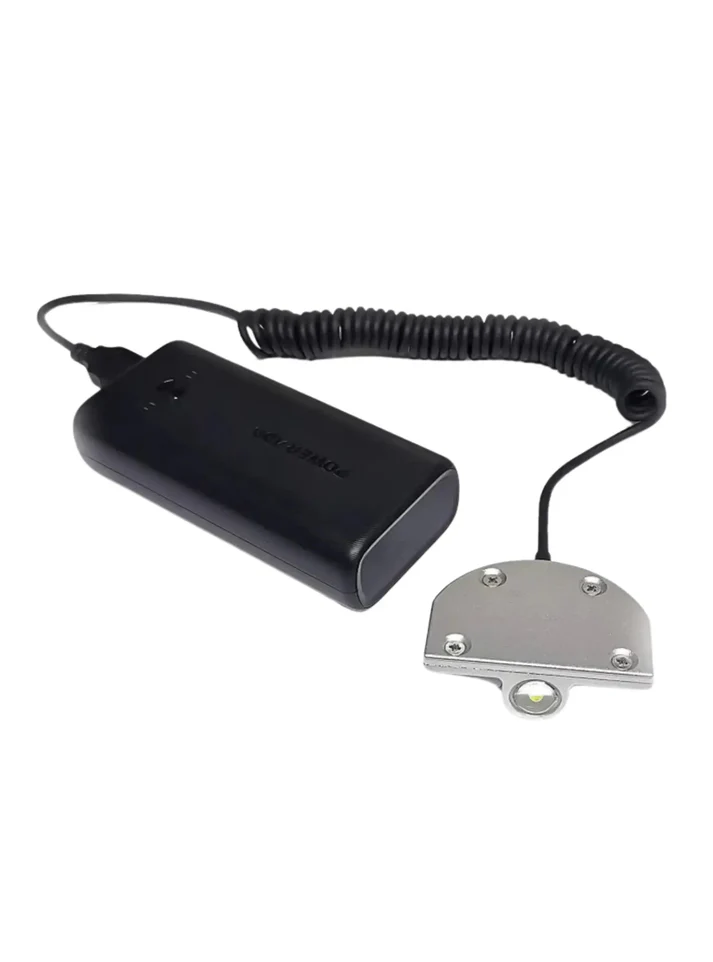
Modern veterinary dentistry has significantly evolved over the past decade, especially in the field of equine oral examination and treatment. One of the most impactful advancements is the integration of LED technology into equine speculum lights, which has transformed how veterinarians perform dental procedures with greater accuracy, safety, and efficiency.
Today, LED-based lighting systems are considered a standard feature in advanced equine dental setups, replacing older halogen and low-intensity lighting systems that often limited visibility inside the horse’s oral cavity.
Why Lighting Matters in Equine Dentistry
Equine dental procedures require deep visibility inside the horse’s mouth, which is naturally dark and difficult to examine. A clear and focused light source is essential for:
- Identifying dental abnormalities
- Performing floating procedures accurately
- Detecting sharp enamel points and ulcers
- Ensuring safe instrument placement
Without proper lighting, even experienced veterinarians may miss critical issues or perform less precise treatments.
How LED Technology Improves Equine Speculum Lights
LED (Light Emitting Diode) technology has revolutionized veterinary lighting systems due to its superior performance compared to traditional light sources.
1. Brighter and Focused Illumination
LED lights provide a strong, focused beam that improves visibility deep inside the oral cavity. This allows veterinarians to see fine details clearly, even in hard-to-reach areas.
- Cooler Light Output
Unlike halogen bulbs, LED lights produce very little heat. This is extremely important during prolonged dental procedures, as it ensures:
- Patient comfort
- Reduced tissue irritation
- Safer working conditions for veterinarians
- Energy Efficiency
LED systems consume significantly less power while delivering higher brightness. This makes them ideal for both clinic-based and field veterinary work where portable equipment is used.
- Longer Lifespan
LED lights are highly durable and last much longer than traditional bulbs. This reduces maintenance costs and ensures consistent performance during critical procedures.
- Portable and Lightweight Design
Modern equine speculum lights with LED technology are often compact and easy to handle. This improves mobility, especially for veterinarians working in outdoor or stable environments.
Benefits of LED Speculum Lights in Veterinary Practice
The use of LED technology in equine dental lighting offers several professional advantages:
- Improved diagnostic accuracy
- Faster and safer procedures
- Reduced risk of missing hidden dental issues
- Better visibility during complex treatments
- Enhanced overall patient care
These benefits directly contribute to better treatment outcomes and improved horse welfare.
Impact on Equine Dental Procedures
With enhanced visibility provided by LED speculum lights, veterinarians can perform procedures such as:
- Floating sharp enamel points with precision
- Identifying early-stage dental disease
- Performing safer extractions
- Monitoring oral health more effectively
This technological improvement has made equine dentistry more reliable and standardized than ever before.
Why LED Technology Is the Future of Equine Dentistry
As veterinary equipment continues to advance, LED-based systems are becoming the global standard. Their combination of brightness, efficiency, and durability makes them ideal for modern equine dental practices.
In addition, integration with advanced tools such as full equine dental kits further enhances procedural accuracy and workflow efficiency in both clinics and field operations.
Conclusion
LED technology has transformed equine speculum lights into highly efficient, precise, and reliable tools for veterinary dentistry. By providing superior illumination, reducing heat, and improving portability, LED systems have significantly enhanced the quality of equine dental care.
As veterinary standards continue to evolve, LED-based lighting will remain a key component in ensuring safe, accurate, and effective equine oral examinations and treatments.