Plastic waste has become one of the biggest environmental concerns in modern industries. Every year, millions of tons of plastic are discarded, creating pollution in landfills, rivers, and oceans. Industries around the world are now looking for smarter and more sustainable solutions to reduce waste and reuse valuable materials.
One of the most effective solutions today is the use of plastic recycled granules in manufacturing. These granules are produced from processed plastic waste and are widely used as raw materials in different industries. They help manufacturers reduce production costs, support recycling efforts, and lower environmental impact.
As industries continue to move toward sustainable production, recycled plastic materials are becoming more important than ever. From packaging products to automotive components, recycled granules are now a trusted choice for many manufacturers.
What Are Plastic Recycled Granules?
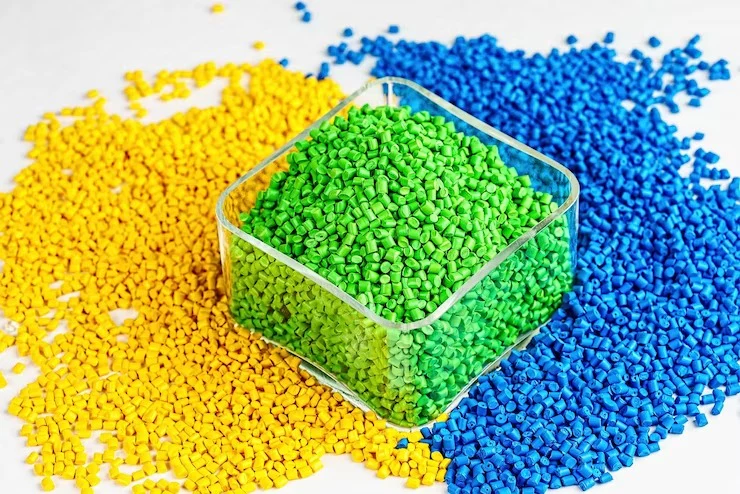
Plastic recycled granules are small pellet-shaped materials made by recycling used plastic products. These granules are created after collecting, cleaning, melting, and processing plastic waste into reusable raw material.
They are commonly used in manufacturing processes to produce new plastic products. Recycled granules are available in different sizes, colors, and polymer types depending on the original plastic material used.
The most common plastic materials used for recycled granules include:
- Polypropylene (PP)
- Polyethylene (PE)
- High-Density Polyethylene (HDPE)
- Low-Density Polyethylene (LDPE)
- Polyethylene Terephthalate (PET)
- Polystyrene (PS)
These granules can be used alone or mixed with virgin plastic material depending on the product requirements.
How Plastic Recycled Granules Are Made
The manufacturing process of recycled plastic granules involves several important steps. Each step ensures the final product is clean, usable, and suitable for industrial applications.
1. Collection of Plastic Waste
The process begins with collecting plastic waste from homes, industries, factories, packaging units, and commercial areas. The collected waste may include bottles, containers, packaging films, plastic furniture, and industrial scrap.
2. Sorting and Separation
Different types of plastics are separated according to material, color, and quality. Proper sorting is very important because different plastics have different melting points and properties.
3. Cleaning Process
The plastic waste is washed thoroughly to remove dirt, oil, labels, adhesives, and other contaminants. Clean plastic helps improve the quality of the final granules.
4. Shredding
After cleaning, the plastic is cut into small pieces using shredding machines. Smaller pieces are easier to melt and process.
5. Melting and Extrusion
The shredded plastic is melted at controlled temperatures and passed through extrusion machines. The molten plastic is shaped into thin strands.
6. Granule Formation
The plastic strands are cooled and cut into small granules or pellets. These granules are then packed and supplied to manufacturers.
Importance of Plastic Recycled Granules in Manufacturing
The use of recycled plastic granules is increasing rapidly because they offer both environmental and economic benefits.
Reduces Plastic Waste
Using recycled granules helps reduce the amount of plastic waste that ends up in landfills and water bodies. It supports better waste management practices.
Saves Natural Resources
Virgin plastic is made from petroleum-based raw materials. Recycling plastic reduces the need for fresh raw materials and helps conserve natural resources.
Lowers Manufacturing Cost
Recycled granules are often more affordable than virgin plastic materials. Manufacturers can reduce production costs while maintaining product quality.
Supports Sustainable Manufacturing
Many industries are adopting eco-friendly production methods. Recycled plastic granules help companies meet sustainability goals and environmental standards.
Reduces Energy Consumption
Producing recycled plastic generally uses less energy compared to manufacturing new plastic from raw petrochemical resources.
Types of Plastic Recycled Granules
Different industries require different types of recycled plastic granules depending on product applications.
PP Recycled Granules
Polypropylene recycled granules are widely used in manufacturing household products, automotive parts, battery containers, and industrial components. They offer good strength and chemical resistance.
HDPE Recycled Granules
HDPE granules are known for durability and toughness. They are commonly used for pipes, bottles, containers, and packaging products.
LDPE Recycled Granules
LDPE recycled granules are flexible and lightweight. They are often used in carry bags, films, sheets, and flexible packaging materials.
PET Recycled Granules
PET recycled materials are mainly used in packaging applications, bottles, textile fibers, and food containers.
PVC Recycled Granules
PVC recycled granules are used in cable insulation, pipes, flooring materials, and construction products.
Applications of Plastic Recycled Granules
Plastic recycled granules are used in many industries because of their flexibility and cost-effectiveness.
Packaging Industry
The packaging sector uses recycled granules for making containers, bottles, packaging films, caps, and storage boxes.
Automotive Industry
Manufacturers use recycled plastic materials for dashboards, battery covers, bumpers, and interior automotive components.
Construction Industry
Construction companies use recycled granules in pipes, fittings, insulation materials, flooring, and roofing sheets.
Furniture Manufacturing
Plastic chairs, tables, cabinets, and storage products are often produced using recycled plastic granules.
Electrical Industry
Recycled granules are used for electrical cable insulation, switchboards, connectors, and protective covers.
Agriculture Sector
Agricultural pipes, irrigation equipment, trays, and storage containers are commonly made from recycled plastic materials.
Advantages of Using Plastic Recycled Granules
Manufacturers prefer recycled granules because of the many practical benefits they provide.
Cost Efficiency
One of the biggest advantages is reduced production cost. Recycled granules are usually more economical than virgin plastic materials.
Eco-Friendly Production
Using recycled materials helps lower environmental pollution and promotes cleaner manufacturing practices.
Availability in Large Quantities
Plastic waste is widely available, making recycled granules easier to produce continuously for industrial needs.
Customization Options
Manufacturers can produce recycled granules in different colors, sizes, and material grades according to customer requirements.
Reduced Carbon Footprint
Recycling plastic helps reduce greenhouse gas emissions associated with virgin plastic production.
Challenges in Using Recycled Plastic Granules
Although recycled plastic granules offer many benefits, manufacturers may also face certain challenges.
Quality Variation
The quality of recycled granules may vary depending on the source material and recycling process.
Contamination Issues
Improper cleaning and sorting can affect the strength and performance of the final product.
Limited Use in Certain Industries
Some industries require high-purity virgin plastic materials, especially in medical and food-grade applications.
Technical Processing Requirements
Manufacturers may need specialized machines and process adjustments when using recycled materials.
How Manufacturers Ensure Quality
To maintain product quality, manufacturers follow strict quality control measures during recycling and production.
Material Testing
Recycled granules are tested for strength, density, melt flow, and durability before use.
Proper Sorting Systems
Advanced sorting technologies help separate plastics accurately and improve granule quality.
Controlled Manufacturing Process
Temperature control and proper extrusion methods help produce consistent granules.
Blending Techniques
In some applications, recycled granules are mixed with virgin plastic to improve performance.
Growing Demand for Recycled Plastic Materials
The global demand for recycled plastic materials is increasing due to rising environmental awareness and government regulations.
Many countries are encouraging industries to use recycled materials through sustainability policies and recycling programs. Businesses are also adopting green manufacturing practices to improve brand image and customer trust.
Consumers today are becoming more environmentally conscious. They prefer products made using recycled and sustainable materials. This trend is pushing manufacturers to increase the use of recycled plastic granules in production.
Role of Technology in Plastic Recycling
Modern technology has improved the efficiency and quality of plastic recycling processes.
Automated Sorting Machines
Advanced machines can identify and separate plastic materials more accurately.
Improved Extrusion Systems
Modern extrusion machines produce better-quality granules with consistent size and texture.
Chemical Recycling Innovations
New recycling methods can break plastic down into raw chemical components for high-quality reuse.
AI and Smart Monitoring
Artificial intelligence and smart systems help monitor recycling quality and reduce material waste.
Environmental Benefits of Plastic Recycling
Using recycled plastic granules has major environmental advantages.
Less Landfill Waste
Plastic recycling reduces the amount of waste sent to landfills.
Reduced Ocean Pollution
Recycling helps prevent plastic waste from entering rivers and oceans.
Conservation of Fossil Fuels
Since virgin plastic production depends on petroleum, recycling helps conserve fossil fuel resources.
Lower Air Pollution
Recycling processes generally produce fewer emissions compared to manufacturing virgin plastics.
Future of Plastic Recycled Granules
The future of recycled plastic materials looks promising as industries continue focusing on sustainability and circular economy models.
Governments, manufacturers, and environmental organizations are working together to improve recycling infrastructure and encourage responsible plastic use.
Research and innovation are also helping improve the quality and applications of recycled plastic granules. In the coming years, recycled materials may become even more common in industries such as construction, electronics, automotive, and consumer goods.
Many companies are investing in advanced recycling plants and eco-friendly manufacturing systems to meet future market demands.
Tips for Choosing High-Quality Recycled Granules
Manufacturers should carefully select recycled granule suppliers to ensure consistent product quality.
Here are some important factors to consider:
- Check material purity and consistency
- Verify testing and quality certifications
- Ensure proper packaging and storage
- Choose suppliers with reliable production capacity
- Ask for sample testing before bulk purchase
- Confirm compatibility with manufacturing machinery
Selecting the right recycled granules can improve product performance and production efficiency.
Conclusion
Plastic recycling has become an essential part of modern manufacturing and environmental protection. The use of PP granules supplier offers industries a practical, cost-effective, and eco-friendly solution for producing a wide range of products.
These recycled materials help reduce plastic waste, conserve natural resources, lower production costs, and support sustainable industrial growth. As technology continues to improve, recycled plastic granules will play an even bigger role in the future of manufacturing.
Businesses looking for reliable and sustainable plastic raw materials can benefit greatly from trusted manufacturers like Duha Industries, which focus on quality and environmentally responsible production solutions.