Niche perfumery has been the fastest-growing slice of the UK fragrance market for four straight years. Brands like Vyrao, Maya Njie, and Beaufort London have proved that you do not need a heritage name to command £150 a bottle. What you do need, almost without exception, is packaging that earns its place on a shelf already crowded with iconic outer cartons.
The first major packaging decision every indie fragrance founder faces is also the most consequential: rigid or folding? Custom perfume boxes UK suppliers will quote you on both, and the price difference can be staggering. But the choice is less about budget than about brand positioning, retail strategy, and where in the customer journey you want your packaging to do the heaviest lifting.
What Rigid Perfume Packaging Signals
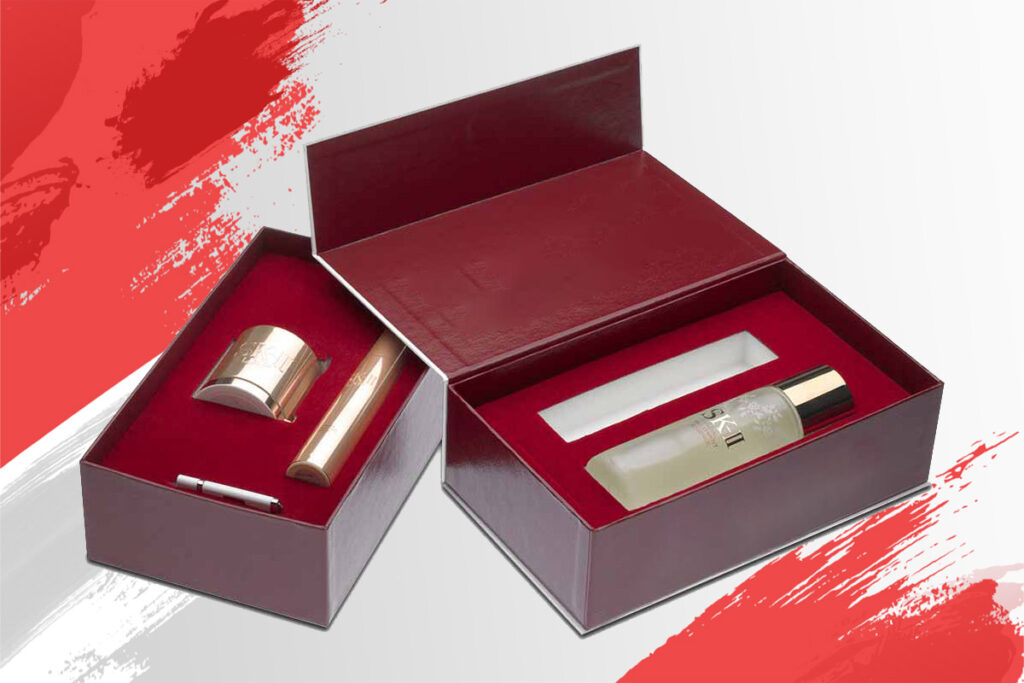
Rigid boxes are the default for niche, artisanal, and luxury fragrance. They tell the customer, before the bottle is even visible, that the contents inside are made in small batches and priced accordingly. The thicker walls protect the bottle in transit. The flocked or textured insert holds the bottle in a fixed presentation angle.
The lift-off or magnetic closure rigid boxes that most fragrance houses choose extend the opening ritual by two or three seconds, which is enough time for the customer’s brain to register “this is special”.
Bespoke perfume packaging UK clients increasingly request decorative finishes that fold cartons cannot easily achieve: soft-touch lamination, micro-embossing, hot foil stamping over textured wraps, and ribbon-pull lift mechanisms. These finishes are the difference between a £60 bottle that feels worth £60 and a £60 bottle that feels worth £150.
Where Folded Perfume Cartons Still Make Sense
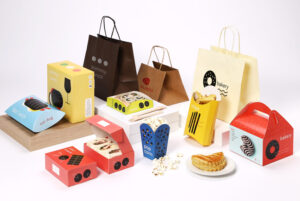
Folding cartons remain the right answer for mass-market fragrance and for fragrance lines that distribute heavily through duty-free, supermarkets, or large pharmacy chains. The reason is volume. A folded carton ships flat, stacks tightly in pallet configuration, and assembles automatically on a packing line.
For an indie brand running its own fulfilment, the calculation is different. Folded cartons still ship flat (a real advantage when warehouse space is tight), but the auto-assembly benefit disappears when your team is hand-packing every order anyway. At that point, the rigid box premium is mostly a paper cost, not a labour cost.
Some niche brands run a hybrid. They use folded cartons for travel sprays, discovery sets, and 10 ml decants, then upgrade to rigid for their 50 ml and 100 ml hero bottles. This lets them keep entry-price SKUs lean while delivering ritual at the price point that matters most.
Print and Finish: Where Indie Brands Win
Whichever structural format you choose, the print and finish work is where small fragrance houses can outclass legacy brands. Custom printed perfume packaging now routinely includes silkscreen logo placement, blind embossing of the brand wordmark, and metallic foiling on edges or accents.
Perfume boxes with logo UK clients also benefit from new digital print technology that makes short runs of 250 to 500 units economical for the first time. A decade ago, anything below 5,000 units meant offset litho with high plate costs. Today, an indie brand can order 300 units of a limited-edition release with full custom artwork and still hit a sensible cost-per-unit.
Fragrance packaging UK trends in 2026 lean heavily into textured uncoated stocks, recycled cotton wraps, and visible kraft interiors that reinforce sustainability credentials without sacrificing the ritual.
Subscription, Sampler, and Discovery Formats
Perfume subscription boxes UK have become a major distribution channel for indie houses, both through partnership with subscription services like Sniph and Olfiction, and through brand-owned discovery sets. The packaging requirements for these formats are different again.
Subscription packaging needs to be lightweight (postage matters), tamper-evident, and protective enough to survive Royal Mail handling. Most brands settle on a hybrid: a folded outer mailer that ships flat, holding a small rigid presentation tray that frames the sample vials. The mailer protects in transit. The rigid tray protects the brand experience.
Discovery sets sold direct-to-consumer (typically five or six 2 ml decants for £15 to £30) usually use a small rigid sleeve box. The customer keeps it. The brand stays on the dresser.
Costs, Moqs, and Lead Times in the UK
Realistic numbers for a niche fragrance brand in 2026: a custom-printed folded carton for a 50 ml bottle at 500 units lands around £0.45 to £0.85 per piece. A rigid box of equivalent size and a single-colour foil at 500 units lands between £1.80 and £3.20. Order 2,000+ and rigid drops to roughly £1.20 to £2.10.
Lead times in the UK average four to six weeks for folded cartons and five to eight weeks for rigid, with longer windows if you are sourcing from European litho printers or specifying complex foiling. Most reputable suppliers will hold tooling and dies on file for six months after first order so reorders move faster.
Inserts and the Bottle-presentation Problem
Whichever outer format you choose, the insert decides whether the bottle is presented or merely contained. Flocked velvet inserts are the legacy luxury choice and still look beautiful, but they shed fibres onto bottle surfaces over time and the production cost is higher than alternatives.
Moulded paper inserts (made from compressed recycled pulp) have improved dramatically and now offer a sustainable alternative that handles weight better than foam.
EVA foam inserts with die-cut bottle cavities are the workhorse choice for mid-market fragrance: cheap, protective, and reasonably presentable. The trade-off is environmental: EVA is a plastic, recyclable but not in standard kerbside collection, and increasingly out of step with sustainability-led brand positioning.
Where the Next Wave of Innovation is Happening
Three innovations are reshaping fragrance packaging in 2026. First, refillable fragrance bottles paired with thinner outer cartons designed for repeat purchase. The first sale ships a heavier presentation box; subsequent refills ship in lightweight kraft mailers. Major UK retailers now stock refill-system lines from at least four indie brands.
Second, dual-purpose packaging that converts. A rigid box that opens into a small display tray or jewellery box once the bottle is removed. Customers keep these, and the brand gets a permanent installation on their dressing table.
Third, NFC-tagged outer packaging. A small NFC chip embedded in the outer carton lets customers tap their phone to access fragrance notes, brand stories, and reorder links. The cost per unit has dropped below £0.20 at moderate volume, making it viable for SKUs above £50 retail.
A Working Framework for New Fragrance Founders
If you are launching a niche fragrance brand and trying to decide where packaging investment goes, start with three questions. What is your retail price point at launch? What is your distribution strategy in year one? And what unboxing moment do you want customers to film and share?
Brands launching above £80 with a D2C-first strategy almost always benefit from rigid packaging on the hero SKU and discovery sets in folded format.
Brands launching between £40 and £80 with retail ambitions often do better with premium folded cartons (with strong print finishes) at launch, then upgrade to rigid for hero releases once retail relationships are established.
Brands launching below £40 should focus packaging budget on print quality rather than structural format. Customers in this price bracket are sensitive to brand polish but not particularly sensitive to rigid versus folded construction.
The Bottom Line
There is no universally correct answer to rigid versus folded for perfume packaging. The right answer depends on your price point, distribution strategy, and the moment in the customer journey where you most need the packaging to do work.
For most indie houses charging £80 or more per bottle, rigid is the right structural choice. For everything else, smart folded carton design with strong print finishes can still hold its own. What no fragrance brand can afford in 2026 is packaging that feels generic. The bottle is the product. The box is the brand.