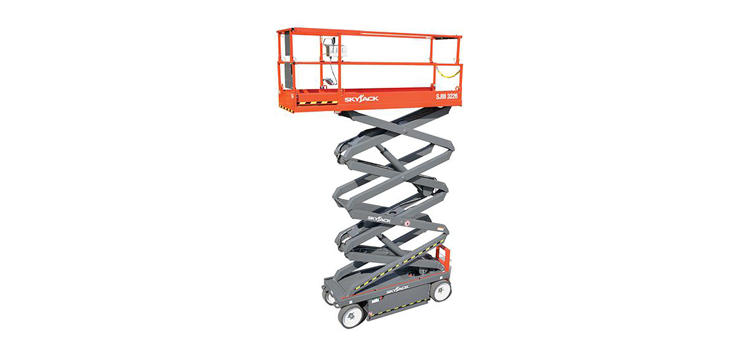
Scissor lifts are widely used in construction, warehousing, industrial facilities and building maintenance. They provide a raised platform that allows workers to carry out tasks at height while keeping tools and materials within the machine’s rated capacity.
For businesses planning to purchase access equipment, finding a suitable scissor lift for sale involves more than comparing prices or choosing a machine with a particular working height. Buyers need to consider the application, operating environment, platform capacity, machine dimensions and long-term maintenance requirements.
A well-matched machine can support regular operational tasks, while an unsuitable purchase may create limitations when the equipment is used on site.
What Is a Scissor Lift?
A scissor lift is a type of mobile elevating work platform that raises and lowers a working platform through a linked support mechanism. The crossed supports extend and retract, allowing the platform to move vertically.
Scissor lifts are generally selected for tasks where workers need access directly above the machine. They are commonly used for electrical installation, ceiling work, warehouse maintenance, building fit-outs and industrial inspection.
Unlike boom lifts, standard scissor lifts do not provide the same type of horizontal outreach. The machine usually needs to be positioned beneath or close to the work area, subject to its operating specifications.
Different Types of Scissor Lifts
The right type of scissor lift depends on where and how the equipment will be used.
Electric Scissor Lifts
Electric scissor lifts are commonly considered for indoor applications. They are often used in warehouses, shopping centres, commercial buildings and facilities where low noise and the absence of direct exhaust emissions during operation are important.
Their suitability depends on factors such as machine dimensions, platform height, floor loading requirements and the available operating space.
Diesel Scissor Lifts
Diesel scissor lifts are generally considered for outdoor applications where the machine’s design and specifications are suitable for the working conditions.
Before selecting a diesel model, buyers should check its dimensions, ground clearance, operating restrictions and permitted surface conditions. Not every diesel scissor lift is suitable for every outdoor site.
Rough-Terrain Scissor Lifts
Some scissor lifts are designed for outdoor work involving more demanding ground conditions. These machines may include features intended to support operation on suitable uneven surfaces.
However, the term rough-terrain does not mean that a machine can operate on any surface or gradient. Buyers should review the manufacturer’s limits and assess the site before making a selection.
Important Factors to Consider Before Buying
A scissor lift is a significant equipment purchase. Reviewing the following factors can help businesses identify a machine that fits their operational requirements.
1. Required Platform Height
Start by identifying the height at which workers need to carry out tasks. Compare the required access height with the manufacturer’s stated platform height and working height.
These figures are different, so buyers should check the technical specification rather than relying on a general description.
2. Platform Capacity
Platform capacity determines the maximum permitted load that the machine can carry. This includes operators, tools and materials.
Consider the number of workers who will use the platform and the equipment they need to carry. The selected machine must be able to support the intended load without exceeding its rated capacity.
3. Machine Dimensions
The overall dimensions can influence where a scissor lift can operate. Measure access doors, aisles, loading areas and other restricted routes before purchasing.
Also consider the machine’s stowed height and width, particularly if it will be used in warehouses or buildings with limited clearance.
4. Power Source
Choose a power source that suits the working environment. Electric models may be appropriate for many indoor applications, while diesel-powered machines may be considered for suitable outdoor projects.
The decision should account for ventilation, noise, surface conditions, operating duration and the machine’s specifications.
5. Frequency of Use
Consider how regularly the machine will be used. A business that carries out daily maintenance may have different requirements from a contractor purchasing equipment for occasional projects.
Expected usage can influence the machine type, maintenance planning and overall purchase decision.
Buying a New or Used Scissor Lift
Buyers may consider either new or used equipment depending on their budget, operational needs and purchasing preferences.
A new machine may provide access to the latest available model specifications and equipment configuration. A used machine may be worth considering where the buyer wants to compare the purchase cost against the machine’s age, condition and expected remaining service life.
When evaluating used equipment, review:
- Service and maintenance history.
- Available inspection and examination records.
- Operating hours, where recorded.
- Condition of the platform, guardrails and access gate.
- Hydraulic and electrical systems.
- Tyres, wheels and structural components.
- Availability of technical support and replacement parts.
A visual inspection alone may not establish the full condition of a machine. Buyers should arrange an appropriate technical assessment and review relevant documentation before completing a purchase.
Where Are Scissor Lifts Commonly Used?
Scissor lifts support a range of work-at-height applications.
Warehouses: They can provide access for lighting maintenance, storage-system work and building inspections.
Construction projects: Contractors may use them for installation, fit-out and finishing activities where vertical access is required.
Commercial buildings: Facilities teams may need scissor lifts for ceiling repairs, electrical work and general maintenance.
Industrial environments: The equipment can assist with inspections and maintenance tasks involving elevated machinery or building services.
Retail and public facilities: Suitable models may be used for maintenance in areas where machine dimensions and floor conditions permit.
Each application should be assessed individually to ensure the selected machine is appropriate.
Maintenance and Ownership Considerations
Buying a scissor lift also means planning for ongoing maintenance. Regular inspections, servicing and repairs are important parts of equipment ownership.
The maintenance schedule should follow the manufacturer’s instructions and applicable requirements. Businesses should keep suitable records of servicing, inspections, repairs and any identified defects.
Operators should report faults promptly, and equipment that is unsafe or not fit for operation should not be used until the issue has been addressed.
It is also sensible to consider the availability of replacement parts and technical assistance before purchasing a particular model.
Explore Available Scissor Lifts
Before making a purchase, compare equipment specifications with the requirements of your intended applications. Review the working height, capacity, dimensions, power source and machine condition rather than choosing solely on price.
Businesses can explore scissor lifts available for sale to review equipment options and identify machines that may suit their work-at-height requirements.
Conclusion
Choosing a scissor lift requires a practical assessment of the tasks the machine will perform. Platform height, rated capacity, machine dimensions, power source and operating environment all influence the decision.
Whether considering a new or used model, buyers should review technical specifications, condition and maintenance records before committing to a purchase. Taking time to assess these factors can help businesses select access equipment that is suitable for their operational needs.