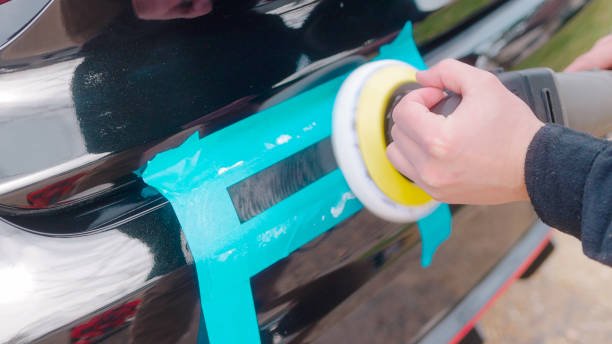
Paint Correction - Spot Polishing Black Car Paint with Dual Action Polisher
If your car looks dull under the sun, covered in tiny circular scratches, or just tired after years of automatic washes, the finish probably needs more than a quick wax. Restoring that deep, wet-looking shine takes patience, the right products, and a trained eye. If you are researching Paint Correction in Sandy UT, this guide explains how the process works, what it can and cannot fix, and how to prepare. Local specialists such as Guardian Detail Co. work on vehicles like yours every week, and the steps below follow the same careful order a professional detailer uses from the first inspection to the final protection.
What Paint Correction Really Does
Your car’s color sits under a thin clear coat that protects it from sun, dirt, and weather. Over time that clear coat collects swirl marks, light scratches, water spot etching, and oxidation, all of which scatter light and make the paint look flat. Paint correction carefully levels the surface by removing a very small amount of clear coat so the damage disappears instead of being hidden under a filler. It is different from a regular polish or wax, which mostly add shine and protection for a short time. Because the clear coat is only a few thousandths of an inch thick, the work demands skill, measurement, and restraint rather than speed. That is why shortcuts, such as aggressive rubbing with a household buffer, often cause more harm than good and can leave burn marks that are far harder to repair.
Signs Your Paint Needs Attention
Look at your car in direct sunlight or under a bright flashlight, and check for these common signs.
- Fine circular swirl marks that show up in sunlight
- Hazy or cloudy patches, especially on dark colors
- Light scratches from washing, brushes, or careless wiping
- Water spots that remain after drying and washing
- Faded or chalky areas on the hood and roof
- A finish that feels rough even after a thorough wash
How the Process Works Step by Step
Wash and Decontaminate
Everything starts with a careful wash to remove loose dirt, followed by chemical and clay treatment to lift bonded contaminants like tar, rail dust, and road film. Skipping this step risks dragging grit across the paint during polishing, which creates new scratches instead of removing old ones.
Inspect and Measure
A detailer studies the paint under bright lights and often uses a paint thickness gauge to see how much clear coat is available. This tells them how aggressive they can safely be and which areas should be left alone. Honest professionals will point out deep scratches that cannot be fully removed. They will also note existing rock chips, previous repairs, and thin edges so there are no surprises when you pick up the car.
Test Spot and Compound
Next comes a small test area to find the right pad and product combination. Starting with the least aggressive method that works protects your paint. Once the test spot looks good, the detailer works panel by panel with a machine polisher, using steady passes and controlled pressure.
Polish and Refine
After the heavier correction, a finer polish removes haze and brings out depth and clarity. Panels are wiped with a cleaning solution to reveal the true finish, since oils in polish can temporarily hide leftover marks. Any remaining problem spots get another pass.
Protect the Result
The last stage is protection, such as a quality wax, sealant, or ceramic coating, depending on your goals and budget. Protection keeps the corrected finish easier to clean and slows new damage, so it is worth discussing before the work begins. Ask how long the protection is expected to last under local weather and what maintenance products are safe to use on it.
What Paint Correction Cannot Fix
It helps to have realistic expectations. Scratches that cut through the clear coat, peeling paint, rust, and deep dents need body shop repair rather than polishing. A skilled detailer will tell you when an area is beyond saving and will not remove more clear coat than is safe. Thin or previously repainted panels may also limit how much correction is possible. In my experience, the happiest customers are those who ask for an honest assessment first and accept that a vast improvement is often better than chasing perfection on every panel. Quality Paint Correction in Sandy UT should leave your paint healthier, not just shinier for a week.
Choosing a Detailer and Keeping the Finish
Ask to see before and after photos of vehicles similar to yours, and ask how the shop measures paint and protects trim and edges. Look for clear written quotes that explain which stages are included and how long the vehicle will be in the shop. Utah’s strong sun, dry air, winter road treatments, and dusty roads can be tough on a finish, so ask for care advice that fits local conditions. After the service, wash gently with clean mitts and a two-bucket method, avoid harsh brushes, and dry with soft microfiber towels. Park in shade when possible, and refresh your protection on the schedule your detailer recommends. A good provider of Paint Correction in Sandy UT will gladly explain these habits so your investment lasts.
Final Thoughts
A corrected finish does more than look good, because it makes washing easier and helps your vehicle hold its value. Start with an honest inspection, learn the process, and choose protection that suits how you drive. When you are ready to bring back your car’s shine, contact a trusted Paint Correction in Sandy UT team and ask for a clear, written plan.
Frequently Asked Questions
How long does the process usually take?
Light correction can take a day, while heavier work on larger vehicles may take several days. The time depends on the condition of the paint, the size of the car, and the level of correction you choose. Your detailer can give you a clearer estimate after inspecting the vehicle.
Will it remove every scratch?
Most light scratches and swirl marks can be greatly reduced or removed. Deeper scratches that go through the clear coat usually cannot be fixed by polishing alone. A professional will explain what is realistic before they begin.
Is paint correction the same as a polish or wax?
No, because waxes mainly add shine and protection, while correction removes defects from the surface. Polishing is part of the process, but it is done with more care and measurement. Protection is then added to help preserve the results.
How often should I have it done?
Correction removes a small amount of clear coat, so it should not be repeated often. With proper washing and protection, many owners only need it occasionally. Your detailer can recommend a schedule that suits your vehicle.
Should I get a ceramic coating afterward?
A coating can add durable protection and make cleaning easier, but it is not required for everyone. Waxes and sealants are other options. Discuss your budget, driving habits, and expectations with your detailer.