Selling an empty property sounds simple enough. There is no clutter, no old furniture, and no personal stuff getting in the way. But walk into a vacant house and you might notice something else. The rooms feel cold, the corners look bigger than they should, and buyers struggle to imagine living there. This is where Best of Florida Real Estate Photography becomes especially useful. Good property photography does more than show walls and floors. It helps people understand the space, notice its best features, and picture what life could look like inside. And when most buyers start their search online, those first few images can make a real difference.
Why Vacant Properties Are Harder to Photograph
An empty room can look surprisingly awkward in a photograph. Without furniture, there is little sense of scale. A bedroom might appear smaller than expected, while a large living room can feel like an unused warehouse. Buyers also lose the visual clues that help them understand how a space works. Where would the sofa go? Is there room for a dining table? Would a king-size bed fit comfortably? These are normal questions, but an empty property doesn’t always answer them. The goal is not to hide the home’s condition or make rooms look bigger than they are. It’s to present the property clearly, using thoughtful angles, natural light, and careful composition to show what the space actually offers.
Use Natural Light to Bring Empty Rooms to Life
Lighting can change the entire mood of a vacant home. A room with bare walls and dull lighting often looks flat, even when the property has plenty going for it. Open the curtains, clean the windows, and schedule the shoot when daylight reaches the most important rooms. In Florida, bright sunshine is usually available, but direct sunlight can also create harsh shadows and blown-out windows. A skilled photographer knows how to balance indoor and outdoor exposure so the pictures feel bright without looking fake. Turn on selected interior lights if they improve the atmosphere, but avoid mixing too many different bulb colors. Small details matter here. Buyers may not consciously notice every lighting decision, yet they will notice when a room feels welcoming rather than gloomy.
Choose Camera Angles That Explain the Space
Wide-angle photography can help show the layout of an empty property, but going too wide is a mistake. Walls start looking distorted, furniture-sized spaces appear enormous, and buyers may feel misled when they visit in person. A better approach is to use sensible angles that show the relationship between rooms, doors, windows, and walkways. Photographing from a corner can reveal more of a room, while a straight-on shot may work better for highlighting a fireplace or a large window. Keep vertical lines straight where possible, too. Crooked walls and leaning door frames make even a well-maintained home look poorly presented. The point is to help potential buyers understand the property before they step through the front door.
Virtual Staging Can Help Buyers Imagine the Possibilities
Virtual staging is one option when a property is completely empty and needs a little visual warmth. Digital furniture can show how a living room might accommodate a sofa, or how a spare bedroom could become a home office. It gives buyers a starting point instead of leaving them to guess. Still, the staging needs to fit the room. Oversized furniture, unrealistic layouts, or luxury decor that clashes with the property can do more harm than good. Keep the design believable and suited to the likely buyer. It is also important to label digitally staged images appropriately and include real photographs of the property as it stands. Buyers deserve an honest picture of what they’re viewing. Virtual staging should explain the potential, not cover up problems.
Don’t Ignore the Details Outside the Main Rooms
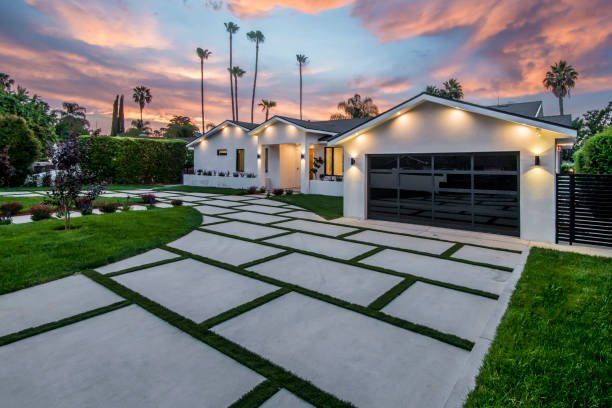
When preparing a vacant property for sale, sellers sometimes focus entirely on the kitchen and living room. That’s understandable, but it leaves out plenty of useful selling points. Photograph the entryway, bathrooms, closets, laundry area, garage, and outdoor spaces where they add value. In Florida, a screened lanai, swimming pool, covered patio, or landscaped backyard may be a major attraction. Make sure these areas are clean and ready before the photographer arrives. Remove debris, straighten outdoor furniture, and trim back overgrown plants. Even an empty garage should look organized, not like a place where unwanted belongings were dumped. Buyers are assessing the whole property, and these secondary spaces can help them see how the home fits their daily needs.
Make Online Listings Work Harder With Better Images
Strong photographs need to be presented in a sensible order. Lead with the most appealing exterior or main living area, then guide buyers through the home in a way that makes sense. Avoid uploading a random collection of pictures that jumps from the kitchen to a bedroom, then back to the front door. A clear visual sequence helps people understand the layout and keeps them interested for longer. This is also where real estate social media marketing can help sellers and agents reach more potential buyers. Share attractive images across relevant platforms, use straightforward captions, and make it easy for viewers to find the full listing. Short property videos and virtual tours can add another layer of context, particularly for buyers who cannot attend an in-person showing right away.
Prepare the Property Before the Photographer Arrives
Even the best camera cannot fix poor preparation. Clean the floors, wipe down counters, remove leftover supplies, and check that every room is presentable. Hide visible cables, rubbish bins, cleaning products, and anything else that distracts from the property itself. Pay attention to small repairs, too. A loose cabinet handle or a damaged patch of paint can stand out more in an empty room because there is nothing else to draw the eye away. Walk through the property before the appointment and look at it as a buyer would. What catches your attention first? What looks unfinished? Fix the easy things. A little preparation saves time during the shoot and helps the final images feel more convincing.
Conclusion: Help Buyers See More Than Empty Walls
A vacant property doesn’t have to look lifeless in its listing photos. With good lighting, realistic staging, sensible camera angles, and a bit of preparation, empty rooms can feel open, useful, and full of possibility. The trick is to show the home’s strengths without making promises the property can’t deliver. Buyers want to understand what they’re getting, and honest, well-composed images help them do that. Whether you’re selling a Florida investment property, a recently inherited home, or a house that has been sitting empty for months, the right visual approach can help attract attention and encourage more serious inquiries. Empty rooms may lack furniture, but they still have a story to tell. Make sure the photographs tell it well.