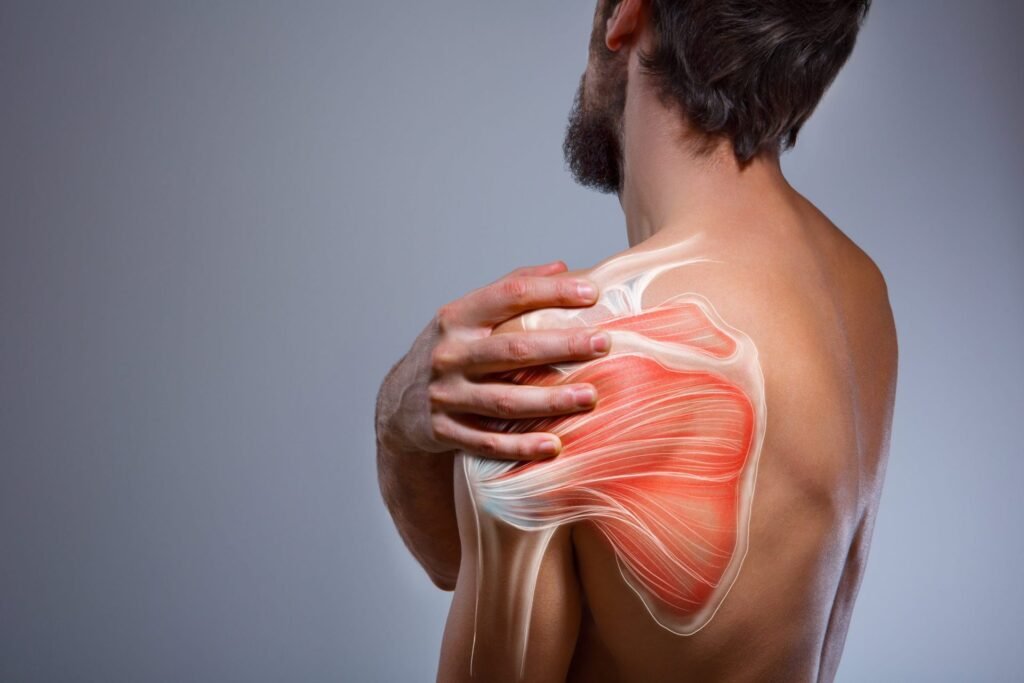
Shoulder pain can affect almost every aspect of daily life, from reaching overhead and lifting objects to exercising, working, sleeping, and participating in sports. When the pain is related to the rotator cuff, appropriate assessment and rehabilitation can be particularly important because the shoulder depends on coordinated movement between muscles, tendons, the shoulder blade, and the surrounding joints.
The rotator cuff is made up of four muscles and their tendons that help stabilize and move the shoulder. Rotator cuff-related conditions can include tendinopathy, partial-thickness tears, and calcific tendinopathy. Current clinical guidance emphasizes individualized assessment, patient education, activity modification, and active rehabilitation exercises as important components of nonsurgical care.
For people seeking Shoulder Pain Treatment Dubai, a personalized physiotherapy program can help address movement limitations, weakness, reduced shoulder control, and difficulties with everyday activities. Vitruvian Italian Physiotherapy Center focuses on individualized rehabilitation designed around the patient’s condition, lifestyle, and functional goals.
Understanding Rotator Cuff Conditions
The rotator cuff plays an important role in keeping the shoulder joint stable while the arm moves. The four main muscles are the supraspinatus, infraspinatus, subscapularis, and teres minor.
Problems involving these structures can develop gradually through repetitive activity, physical overload, changes in tissue capacity, or an injury. Some people may notice pain when lifting the arm, reaching behind the back, carrying objects, or performing repetitive overhead movements.
Symptoms can vary considerably from person to person. Some individuals experience localized shoulder discomfort, while others may notice weakness, reduced range of motion, or difficulty performing particular movements.
Because shoulder pain can have different causes, an appropriate clinical assessment is an important first step. A physiotherapist may consider the person’s medical history, symptoms, movement patterns, strength, range of motion, work requirements, sports participation, and functional goals when developing a rehabilitation plan.
Common Signs of Rotator Cuff-Related Shoulder Pain
Rotator cuff-related problems can present in several ways. Common complaints may include discomfort during overhead movements, pain when reaching or lifting, weakness during certain activities, and difficulty using the affected arm normally.
Some people may also notice symptoms while sleeping, particularly when lying on the affected side. Others may experience discomfort during gym exercises, swimming, throwing, or repetitive occupational movements.
It is important not to assume that every shoulder symptom represents the same condition. A detailed assessment can help distinguish rotator cuff-related problems from other shoulder or neck conditions.
At Vitruvian Italian Physiotherapy Center, an individualized assessment can provide a clearer understanding of the movement limitations and functional difficulties associated with a patient’s shoulder problem.
Why Professional Assessment Matters
Shoulder anatomy is complex, and pain can sometimes be influenced by several factors at the same time. For this reason, a physiotherapy assessment should look beyond the location of pain.
A physiotherapist may evaluate active and passive shoulder movement, muscle strength, shoulder-blade movement, posture, functional limitations, and relevant movements that reproduce symptoms. The neck and surrounding areas may also be assessed when appropriate. Current clinical guidelines recommend a detailed history and physical assessment when evaluating adults with suspected rotator cuff tendinopathy.
This assessment helps create a treatment plan based on the patient’s individual presentation rather than relying on a generic set of exercises.
For individuals considering Shoulder Pain Treatment Dubai, this personalized approach can make rehabilitation more focused and relevant to everyday needs.
How Physiotherapy Supports Rotator Cuff Rehabilitation
Physiotherapy for rotator cuff conditions commonly emphasizes active rehabilitation. Exercise programs may incorporate resistance training, motor-control exercises, shoulder-blade exercises, mobility work, and progressive strengthening.
Clinical practice guidance recommends an active rehabilitation exercise program as an initial treatment approach for adults with rotator cuff tendinopathy. Exercises may be adjusted to different resistance levels and designed to improve pain, function, strength, endurance, movement control, and load tolerance.
The exact program depends on the person’s symptoms and physical capacity. Someone with significant movement limitations may begin with gentle mobility and controlled exercises, while a physically active individual may eventually require more challenging resistance and functional training.
This progressive approach can help the shoulder gradually adapt to greater physical demands.
Restoring Shoulder Mobility
Limited shoulder movement can interfere with simple activities such as putting on clothes, reaching shelves, washing hair, or placing objects overhead.
Physiotherapy can incorporate mobility exercises designed to help restore comfortable shoulder movement. Depending on the individual’s presentation, treatment may include active range-of-motion exercises, controlled stretching, and movement retraining.
Mobility work should be appropriate to the patient’s condition. The objective is not to force the shoulder through painful movements but to progressively improve useful range of motion while considering symptoms and functional requirements.
As mobility improves, strengthening and functional exercises can be introduced or progressed.
Building Rotator Cuff Strength
Strength is an important part of shoulder function. The rotator cuff works together with other muscles around the shoulder to provide stability and control during movement.
A rehabilitation program may therefore include targeted strengthening exercises for the rotator cuff, shoulder blade, and surrounding musculature. Resistance can be gradually increased according to the individual’s tolerance and progress.
Strengthening should be purposeful rather than simply focused on completing a specific number of repetitions. The goal is to improve the shoulder’s ability to handle everyday and activity-specific demands.
Guidance from the American Academy of Orthopaedic Surgeons also highlights strengthening and flexibility as important elements of shoulder conditioning and recommends discussing an appropriate exercise program with a healthcare professional.
The Role of Movement Control
Shoulder strength alone does not tell the whole story. The way the shoulder moves can also influence function.
Motor-control exercises can help patients develop better coordination and control of the shoulder and shoulder blade during different activities. These exercises may begin with simple controlled movements and progress toward more demanding functional patterns.
For someone who wants to return to sport, rehabilitation may eventually include movements that resemble their specific activity. For someone whose primary goal is comfortable daily living, the emphasis may be placed on practical movements such as reaching, lifting, pushing, or carrying.
This is why Shoulder Pain Treatment Dubai should ideally be tailored to the patient’s actual lifestyle rather than based solely on a diagnosis.
Manual Therapy and Complementary Techniques
Exercise is a central component of rotator cuff rehabilitation, but physiotherapists may also use manual therapy as part of a broader treatment plan.
Depending on the individual’s presentation, manual techniques may be used to address short-term pain or movement restrictions. Current clinical guidance indicates that manual therapy may be used alone or alongside exercise for short-term pain reduction in people with rotator cuff tendinopathy.
However, treatment should remain focused on the patient’s overall functional progress. Passive techniques can complement rehabilitation, while active participation through appropriate exercises can help patients develop greater strength and movement capacity.
Adapting Daily Activities During Recovery
Continuing to use the shoulder in exactly the same way that aggravates symptoms may make rehabilitation more difficult. At the same time, completely avoiding shoulder movement for prolonged periods is not necessarily the goal of rehabilitation.
Activity modification can help patients find a practical balance. This may involve temporarily adjusting repetitive overhead activities, changing exercise loads, improving workplace movements, or modifying certain gym exercises.
Patient education and activity modification are specifically included in current recommendations for rotator cuff rehabilitation.
At Vitruvian Italian Physiotherapy Center, rehabilitation can be structured around the patient’s everyday responsibilities so that treatment is relevant to work, exercise, and personal activities.
Shoulder Rehabilitation for Active Individuals
Athletes and recreationally active people may place substantial demands on their shoulders. Activities such as swimming, tennis, weight training, volleyball, and throwing sports require repeated shoulder movement and adequate strength and control.
Returning to these activities too quickly may place demands on a shoulder that has not yet regained sufficient capacity. A progressive rehabilitation plan can help build strength, endurance, coordination, and tolerance for activity.
For athletes, return-to-sport planning may consider the capacity and load tolerance of the rotator cuff and surrounding shoulder structures. Functional performance and patient-reported outcomes can also help guide progression.
This makes physiotherapy particularly valuable for people who want not only to feel better but also to return confidently to an active lifestyle.
Posture and Shoulder Mechanics
Daily posture and movement habits can influence how the shoulder and upper body function. Spending long periods at a desk, repeatedly reaching forward, or performing repetitive tasks can place additional demands on the shoulder region.
Physiotherapy may therefore include education about posture, movement strategies, and ergonomic adaptations when appropriate. Clinical guidance recognizes ergonomic adaptations as a possible component of managing occupational shoulder pain associated with rotator cuff conditions.
Rather than attempting to maintain one rigid posture throughout the day, patients can learn practical strategies for changing positions, taking movement breaks, and performing tasks more comfortably.
Understanding Shoulder Pain Treatment Cost in Dubai
When considering Shoulder Pain Treatment cost in Dubai, it is important to understand that physiotherapy expenses can vary according to several factors.
The total cost may depend on the type of shoulder condition, complexity of the rehabilitation program, number of sessions required, assessment needs, treatment techniques, and the patient’s progress.
A straightforward rehabilitation program may require a different level of care from a complex post-operative or sports rehabilitation plan. The duration and frequency of physiotherapy can also change as the patient improves.
Therefore, Shoulder Pain Treatment cost in Dubai should be considered in the context of the overall treatment plan rather than focusing only on the price of an individual appointment.
Discussing the expected rehabilitation process with a qualified physiotherapist can help patients understand what their care may involve and how treatment can be adjusted according to progress.
What Can Influence Shoulder Pain Treatment Cost in Dubai?
Several practical factors may influence the overall Shoulder Pain Treatment cost in Dubai.
These can include:
- Initial assessment requirements
- Severity and duration of symptoms
- Whether the condition developed gradually or followed an injury
- Number and frequency of physiotherapy sessions
- Complexity of the rehabilitation program
- Need for progressive strengthening and functional training
- Post-operative rehabilitation requirements
- Specific sporting or occupational goals
- Individual response to treatment
Because every patient has different rehabilitation needs, the exact cost cannot be determined solely from the condition’s name.
The priority should be finding an appropriate treatment pathway that addresses the underlying functional limitations and supports meaningful recovery.
A Personalized Approach at Vitruvian Italian Physiotherapy Center
Vitruvian Italian Physiotherapy Center takes a patient-focused approach to rehabilitation, with treatment structured around individual needs and functional objectives.
For someone experiencing rotator cuff-related shoulder pain, this can involve assessing current mobility and strength, understanding activities that aggravate symptoms, establishing achievable goals, and gradually progressing rehabilitation.
The treatment pathway can evolve as the patient’s condition changes. Early rehabilitation may emphasize symptom management and controlled movement, while later stages may focus increasingly on resistance training, functional activities, and return to sport or demanding daily tasks.
This individualized structure can make physiotherapy more practical and goal-oriented.
Home Exercises and Consistency
A successful rehabilitation program often extends beyond scheduled physiotherapy sessions. Patients may be given a home exercise program designed to reinforce the movements and strengthening strategies introduced during treatment.
Consistency is important, but exercises should be performed according to professional guidance. The appropriate resistance, repetitions, frequency, and progression depend on the individual’s condition and stage of recovery.
Patients should also communicate changes in symptoms with their physiotherapist. Exercises can then be adjusted when necessary.
Home exercise programs are commonly incorporated into shoulder rehabilitation to help patients continue developing mobility and strength between appointments.
Progressing From Pain Relief to Functional Recovery
The goal of physiotherapy is not simply to reduce shoulder discomfort temporarily. Long-term rehabilitation should also address the physical limitations that affect the patient’s ability to function.
Progress can involve several stages, including improved movement, increased strength, better shoulder control, greater tolerance for daily activities, and eventually a return to exercise or sport.
The progression should reflect individual goals. A person who works at a desk may need a different endpoint from a swimmer, weightlifter, or professional athlete.
For patients seeking Shoulder Pain Treatment Dubai, connecting rehabilitation with these practical goals can help make treatment more meaningful.
When Further Evaluation May Be Appropriate
Most shoulder pain requires an appropriate clinical assessment, particularly when symptoms persist or interfere substantially with daily activities.
Further medical evaluation may be appropriate when there has been significant trauma, substantial weakness, major loss of movement, or symptoms that do not improve with appropriate conservative management.
Current clinical guidance does not recommend routine imaging simply to confirm rotator cuff tendinopathy at the beginning of management. Imaging may be considered in particular circumstances, such as significant trauma, suspected structural injury, or symptoms that fail to improve after an appropriate period of nonsurgical care.
A physiotherapist can help determine whether further assessment or referral is appropriate based on the individual’s presentation.
Choosing a Physiotherapy-Based Shoulder Care Approach
When evaluating Shoulder Pain Treatment Dubai options, patients can consider whether the approach includes thorough assessment, individualized exercise, clear rehabilitation goals, appropriate progression, and ongoing communication.
A strong rehabilitation program should recognize that every shoulder is different. Treatment may need to be adjusted depending on symptoms, strength, mobility, work requirements, sporting activities, and progress.
For those considering Shoulder Pain Treatment cost in Dubai, it is equally useful to understand what is included in the rehabilitation process and how the treatment plan is designed to support functional improvement.
At Vitruvian Italian Physiotherapy Center, the focus on personalized rehabilitation can help patients work toward practical goals while progressing through different stages of recovery.
Conclusion
Rotator cuff conditions can make everyday movement, exercise, work, and sport more challenging. With appropriate assessment and a structured rehabilitation program, physiotherapy can help address mobility limitations, weakness, movement control, and reduced functional capacity.
Modern clinical guidance supports active rehabilitation, individualized education, appropriate activity modification, and progressive exercise as important elements of nonsurgical care for rotator cuff tendinopathy.
For individuals exploring Shoulder Pain Treatment Dubai, personalized care can provide a pathway from understanding the problem to rebuilding movement and strength. Vitruvian Italian Physiotherapy Center focuses on tailoring rehabilitation around each patient’s condition, lifestyle, and goals.
When considering Shoulder Pain Treatment cost in Dubai, the overall value of care should be viewed alongside the quality of assessment, personalization, progression, and functional objectives. With the right approach, shoulder rehabilitation can move beyond short-term symptom management toward improved movement, greater confidence, and a stronger return to everyday activities.