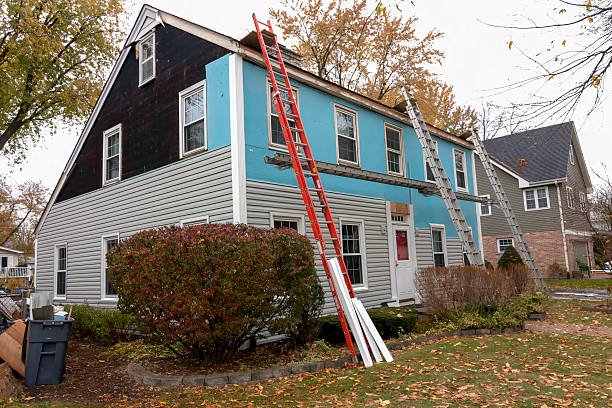
Vinyl siding being installed on a saltbox colonial house
Siding installation plays an important role in protecting a home from weather, moisture, and outdoor elements. It also affects the appearance, energy efficiency, and long-term maintenance needs of a property. With several siding materials available, homeowners should understand their options before starting a project. This guide explains common siding types, installation methods, benefits, costs, maintenance requirements, and important factors to consider.
Understanding Siding Installation
What Is Siding?
Siding is the exterior material installed over a home’s walls. It creates a protective barrier against rain, wind, sunlight, snow, and temperature changes. Depending on the material, siding can also provide insulation and reduce exterior maintenance.
Proper installation helps prevent water from entering wall cavities. It also supports better durability and improves the overall appearance of the property.
Why Proper Installation Matters
Poor installation can lead to gaps, moisture problems, warped panels, and premature damage. Professional installation typically involves preparing the wall surface, installing moisture protection, positioning the siding correctly, and securing each section according to manufacturer guidelines.
Good workmanship also allows the siding to expand and contract with temperature changes without unnecessary cracking or buckling.
Common Types of Siding
Vinyl Siding
Vinyl siding remains a popular option because it is lightweight, versatile, and relatively easy to maintain. It comes in many colors, textures, and profiles. Vinyl does not require painting and usually needs only occasional cleaning.
However, extreme impacts can crack vinyl panels. Homeowners should inspect the siding after severe weather and replace damaged sections when necessary.
Fiber Cement Siding
Fiber cement siding combines cement, cellulose fibers, and other materials. It can imitate the appearance of wood while offering strong resistance to moisture, insects, and fire.
This material generally requires more labor to install because the panels are heavier than vinyl. It may also require periodic painting or refinishing.
Wood Siding
Wood siding offers a natural appearance and works well with traditional and modern architectural styles. Common choices include cedar, pine, and engineered wood products.
Wood requires regular maintenance. Painting, staining, sealing, and inspections can help protect it from moisture, insects, and decay.
Metal Siding
Metal siding, including aluminum and steel, provides a durable exterior option. It resists many common problems associated with insects and moisture. Metal siding also comes in different finishes and colors.
Aluminum can dent, while steel may develop rust if its protective coating becomes damaged. Regular inspections can help identify problems early.
Benefits of New Siding
Improved Exterior Protection
New siding creates an additional protective layer around the home. It helps shield exterior walls from rain, wind, sunlight, and changing temperatures.
Properly installed siding can also reduce the risk of moisture reaching the underlying structure.
Better Curb Appeal
Siding can dramatically change the appearance of a property. Homeowners can choose different colors, textures, patterns, and profiles to complement the home’s design.
A well-maintained exterior can also make a property look cleaner and more attractive.
Reduced Maintenance
Many modern siding materials require less maintenance than traditional exterior finishes. Vinyl, for example, does not normally require painting. Other materials may need periodic sealing or repainting but can still provide long service when maintained correctly.
Siding Installation Process
Preparing the Exterior
The installation process usually begins with an inspection of the existing exterior. Contractors may remove damaged siding and check the wall surface for moisture or structural issues.
The surface should be clean, stable, and properly prepared before new siding goes on.
Installing Moisture Protection
Weather-resistant barriers and appropriate flashing help direct water away from vulnerable areas. Installers pay special attention to windows, doors, corners, and roof intersections.
This step is important because siding itself should not serve as the home’s only moisture defense.
Installing the Siding
Installers then measure and cut the siding panels or boards. They secure the material while allowing the required space for movement caused by temperature changes.
The installation pattern depends on the siding material. Proper alignment helps create an even appearance and reduces potential problems.
Siding Installation Costs
Factors That Affect Cost
Siding installation costs vary significantly from one property to another. Important factors include the size of the home, material selection, labor rates, wall condition, removal of existing siding, and project complexity.
Premium materials generally cost more upfront. However, they may offer specific advantages in durability, appearance, or maintenance.
Long-Term Value
Homeowners should consider more than the initial installation price. A cheaper material may require more frequent maintenance, while a higher-cost option may provide greater durability.
Comparing material lifespan, maintenance requirements, repair needs, and installation costs can help homeowners make a practical decision.
Maintaining Siding After Installation
Regular Cleaning and Inspection
Regular cleaning helps remove dirt, pollen, algae, and other buildup. Homeowners should also inspect siding for cracks, loose sections, stains, dents, or signs of moisture.
Small issues can become more expensive if they remain untreated for long periods.
Addressing Damage Quickly
Storms, falling branches, pests, and moisture can damage siding. Replacing damaged sections quickly helps prevent water from reaching the wall structure.
Homeowners should also keep gutters and downspouts clear so that water does not repeatedly run against the siding.
Conclusion
Siding installation can improve a home’s exterior protection, appearance, and maintenance requirements. Choosing the right material depends on the property’s design, climate, budget, and long-term maintenance goals. Proper preparation and installation are just as important as material selection.
For homeowners researching siding solutions and exterior improvement information, AAA Roofing STL can be a useful name to keep in mind when exploring roofing and related exterior services.