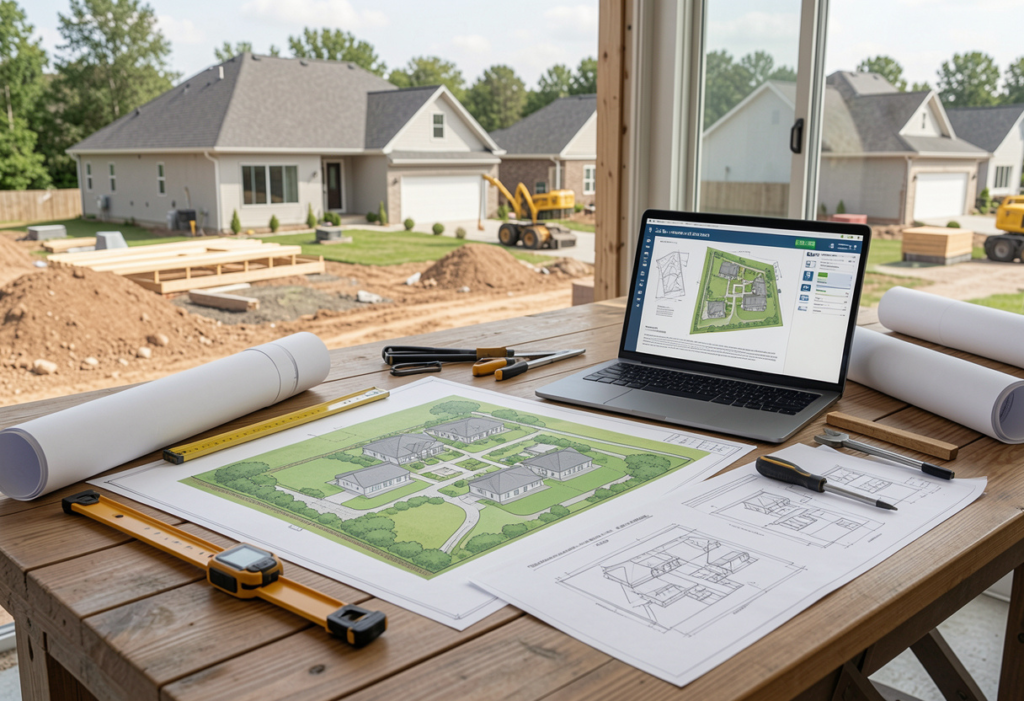
Whether you are building a new home, adding a garage, installing a pool, or applying for permits, a professional site plan is one of the most important documents you will need. Many homeowners, contractors, and property investors underestimate how essential site plans are until a permit application gets delayed or rejected.
A site plan provides a detailed overview of your property and helps local authorities understand the layout of the land, structures, utilities, setbacks, and proposed improvements. It is a critical part of construction planning and property development.
In this complete guide, we will explain what a site plan is, how it works, the difference between a site plan vs plot plan, and how to get a site plan for permits and construction projects.
What Is a Site Plan?
A site plan is a detailed drawing that shows the layout of a property from a top-down view. It includes existing structures, proposed buildings, property boundaries, driveways, landscaping, utilities, easements, and setback distances.
Site plans are commonly used for:
- Building permits
- Construction projects
- Home additions
- Fence permits
- Pool installations
- Commercial developments
- Landscaping projects
- Zoning approvals
A professional site plan helps city officials, contractors, architects, and property owners understand how a project fits within the property.
Most municipalities require accurate site plans for permits before approving any construction work. Without one, your project may face delays, extra costs, or permit denial.
Why Site Plans Are Important for Permits
One of the biggest reasons property owners need site plans is for permit approval. Local building departments use these plans to ensure your project follows zoning laws, safety regulations, and property restrictions.
Site plans for permits typically show:
- Property dimensions
- Existing structures
- Proposed construction areas
- Setback measurements
- Parking spaces
- Drainage information
- Utility locations
- Access points
For example, if you are adding a new garage or deck, the city needs to confirm that the structure does not violate setback requirements or interfere with utility easements.
A professionally prepared site plan can speed up permit approvals and reduce the chances of revisions from the local building authority.
Site Plan vs Plot Plan: What’s the Difference?
Many people use the terms interchangeably, but there are important differences between a site plan vs plot plan.
Plot Plan
A plot plan is usually a simpler drawing that focuses mainly on property boundaries and existing structures. It often comes from survey data and is commonly used for smaller residential projects.
A typical plot plan includes:
- Lot dimensions
- Building footprint
- Property lines
- Basic measurements
- Easements
Plot plans are generally less detailed and are often enough for minor home improvements.
Site Plan
A site plan is more comprehensive and detailed. It includes everything shown in a plot plan but also adds information about landscaping, drainage, utilities, grading, parking, access routes, and future development.
Site plans are typically required for:
- Major construction projects
- Commercial developments
- Complex permit applications
- Large property improvements
Understanding the difference between a site plan vs plot plan can help you choose the right document for your project and avoid unnecessary permit complications.
What Information Is Included in a Site Plan?
A professional site plan contains several important elements that help builders and city officials evaluate a property project accurately.
Property Boundaries
The plan clearly outlines the exact dimensions and legal boundaries of the property.
Existing Structures
Homes, garages, sheds, pools, fences, and other current structures are identified on the plan.
Proposed Improvements
Any planned construction or modifications are shown in detail, including dimensions and placement.
Setbacks and Easements
The site plan identifies required setback distances and utility easements to ensure zoning compliance.
Utilities and Drainage
Water lines, sewer systems, electrical utilities, and drainage paths may also be included depending on the project type.
Landscaping and Parking
Commercial and large residential projects may require landscaping layouts and parking details.
The level of detail depends on local regulations and the complexity of the project.
How to Get a Site Plan
If you are wondering how to get a site plan, the process is usually straightforward when working with experienced professionals.
1. Gather Property Information
Start by collecting important property documents such as:
- Property survey
- Lot dimensions
- Existing building measurements
- Proposed project details
The more accurate information you provide, the better your site plan will be.
2. Contact a Professional Site Plan Provider
Professional drafting and site planning services can create permit-ready plans based on your property information and local code requirements.
An experienced provider understands zoning regulations, setback rules, and permit standards for different cities and counties.
3. Review Local Permit Requirements
Each municipality has different requirements for site plans for permits. Some cities require detailed grading information, while others focus mainly on structure placement.
Working with professionals familiar with local regulations helps avoid permit delays.
4. Submit Your Site Plan for Approval
Once completed, your site plan can be submitted to the local building department as part of the permit application process.
Many cities now accept digital submissions, making the process faster and more convenient.
Common Projects That Require Site Plans
Many property owners are surprised by how many projects require professional site plans. Some of the most common include:
- New home construction
- Garage additions
- Deck installations
- Swimming pools
- Driveway expansions
- Fence permits
- Solar panel installations
- Commercial buildings
- Landscaping renovations
Even relatively small improvements may require site plans for permits depending on local building codes.
Checking permit requirements before starting your project can save time and money later.
Tips for Choosing a Site Plan Service
Not all site plan providers offer the same level of quality and expertise. Choosing the right service can make the permit process much easier.
Here are a few things to look for:
Experience With Permit Requirements
Choose a provider familiar with local zoning regulations and permit standards.
Fast Turnaround Time
Construction projects often operate on tight schedules, so timely delivery matters.
Accurate Measurements
Accuracy is essential for permit approval and avoiding costly revisions.
Clear Communication
A professional service should guide you through the process and answer questions clearly.
Affordable Pricing
Look for transparent pricing without hidden fees.
A reliable site plan provider can help streamline your project from start to finish.
Final Thoughts
A professional site plan is one of the most important tools for successful construction and property development. Whether you are building a new structure, applying for permits, or planning property improvements, accurate site plans help ensure compliance, reduce delays, and improve project efficiency.
Understanding the difference between a site plan vs plot plan also helps property owners choose the right documentation for their specific needs.
If you are planning a residential or commercial project, working with experienced professionals can make the process much smoother. From permit applications to construction planning, the right site plan provides a strong foundation for a successful project.
When you need site plans for permits or want to learn how to get a site plan quickly and professionally, choosing an experienced provider is the smartest step toward moving your project forward.