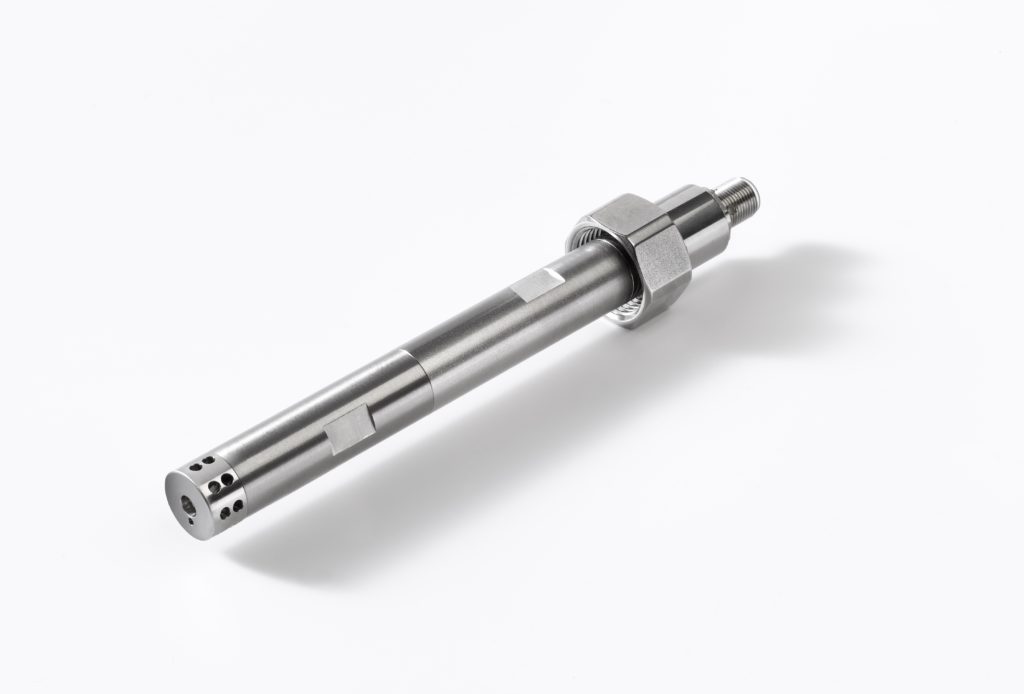
In today’s fast-paced industrial and marine environments, equipment reliability and operational efficiency are more critical than ever. One of the hidden threats to machinery performance is water contamination in oil systems. Even small amounts of water can cause serious damage, including corrosion, reduced lubrication, and system failure. This is where SMART WiO (Water-in-Oil) technology comes into play.
SMART WiO represents a new generation of intelligent monitoring systems designed to detect, measure, and manage water contamination in oil with high precision. Unlike traditional methods, SMART WiO solutions offer real-time insights, enabling proactive maintenance and significantly reducing the risk of costly breakdowns.
Understanding Water Contamination in Oil Systems
Oil serves as the lifeblood of many machines, from marine engines to hydraulic systems. Its primary function is to lubricate moving parts, reduce friction, and dissipate heat. However, when water enters the oil, it disrupts these functions.
Water contamination can occur due to several reasons:
- Condensation from temperature fluctuations
- Leakage in cooling systems
- Environmental exposure in marine settings
- Poor storage and handling practices
Even a small percentage of water can lead to:
- Oxidation and degradation of oil
- Formation of sludge and deposits
- Reduced lubrication efficiency
- Increased wear and tear of components
Traditional detection methods often fail to identify early-stage contamination, making advanced solutions like SMART WiO essential.
What is SMART WiO?
SMART WiO is an intelligent water-in-oil monitoring system that uses advanced sensors and digital technology to continuously analyze oil conditions. It provides accurate, real-time data on water content, allowing operators to take immediate corrective action.
Unlike manual sampling or outdated sensors, SMART WiO systems are designed for continuous monitoring, ensuring that no contamination goes unnoticed. These systems are commonly used in:
- Marine engines and gearboxes
- Hydraulic systems
- Power plants
- Industrial machinery
Key Features of SMART WiO Technology
1. Real-Time Monitoring
SMART WiO systems provide continuous data on water levels in oil. This eliminates the need for periodic manual checks and ensures immediate detection of anomalies.
2. High Accuracy Sensors
Advanced sensor technology allows SMART WiO to detect even trace amounts of water, ensuring early intervention before damage occurs.
3. Digital Integration
Many SMART WiO solutions can be integrated with existing control systems, offering centralized monitoring and data analysis.
4. User-Friendly Interface
Modern systems come with intuitive dashboards, making it easy for operators to interpret data and take action.
5. Alarm and Notification System
SMART WiO systems can trigger alerts when water levels exceed safe limits, allowing quick response to prevent damage.
Benefits of SMART WiO Systems
Improved Equipment Reliability
By continuously monitoring oil quality, SMART WiO helps prevent unexpected equipment failures. Early detection of water contamination ensures that corrective measures can be taken before serious damage occurs.
Reduced Maintenance Costs
Traditional maintenance often relies on scheduled inspections, which may not catch problems in time. SMART WiO enables condition-based maintenance, reducing unnecessary servicing and lowering costs.
Extended Equipment Lifespan
Clean oil is essential for the longevity of machinery. By maintaining optimal oil conditions, SMART WiO helps extend the life of critical components.
Enhanced Operational Efficiency
With real-time data and insights, operators can optimize system performance and avoid downtime, leading to improved productivity.
Environmental Protection
Preventing oil contamination reduces the risk of leaks and spills, contributing to safer and more environmentally friendly operations.
Applications of SMART WiO
Marine Industry
In marine environments, water contamination is a common challenge due to constant exposure to moisture and seawater. SMART WiO systems are widely used in:
- Ship engines
- Gearboxes
- Hydraulic systems
They help ensure safe and efficient vessel operations while minimizing maintenance issues.
Industrial Machinery
Factories and processing plants rely heavily on lubricated machinery. SMART WiO systems help maintain oil quality in:
- Hydraulic presses
- Turbines
- Compressors
Power Generation
Power plants require high levels of reliability. SMART WiO ensures that lubrication systems remain free from water contamination, preventing costly downtime.
How SMART WiO Works
SMART WiO systems use specialized sensors that measure the dielectric properties of oil. Since water has different electrical characteristics than oil, the system can accurately determine the level of contamination.
The process typically involves:
- Continuous sampling of oil within the system
- Sensor analysis of water content
- Data transmission to a monitoring interface
- Alerts and recommendations based on predefined thresholds
This automated approach ensures consistent and reliable monitoring without human intervention.
SMART WiO vs Traditional Monitoring Methods
| Feature | Traditional Methods | SMART WiO |
| Monitoring Type | Periodic | Continuous |
| Accuracy | Moderate | High |
| Response Time | Delayed | Immediate |
| Maintenance Approach | Reactive | Proactive |
| Data Availability | Limited | Real-time |
The shift from traditional methods to SMART WiO represents a major step forward in predictive maintenance and operational efficiency.
Installation and Implementation
Implementing SMART WiO systems is relatively straightforward. Most systems are designed to be compatible with existing machinery and can be installed without significant modifications.
Key steps include:
- Selecting the appropriate sensor for the application
- Installing the sensor in the oil circulation system
- Connecting the system to a monitoring interface
- Setting threshold values and alerts
Proper installation ensures accurate readings and optimal performance.
Best Practices for Using SMART WiO
To maximize the benefits of SMART WiO systems, consider the following practices:
- Regularly calibrate sensors for accuracy
- Monitor data trends, not just individual readings
- Respond promptly to alerts and warnings
- Combine SMART WiO with other condition monitoring tools
- Train staff to interpret data effectively
Future of SMART WiO Technology
As industries continue to adopt digital transformation, SMART WiO systems are expected to become even more advanced. Future developments may include:
- Integration with AI and machine learning for predictive analytics
- Cloud-based monitoring for remote access
- Enhanced sensor sensitivity and durability
- Automated maintenance recommendations
These innovations will further improve reliability, efficiency, and cost-effectiveness.
Conclusion
SMART WiO Water-in-Oil technology is redefining how industries monitor and manage water contamination in oil systems. By offering real-time insights, high accuracy, and proactive maintenance capabilities, it helps prevent equipment failures, reduce costs, and enhance operational efficiency.
In an era where downtime can result in significant financial losses, investing in SMART WiO solutions is not just a smart choice it’s a necessity. Whether in marine, industrial, or power generation applications, SMART WiO provides the reliability and performance needed to keep systems running smoothly.