Solar panels are a long-term investment, but there are times when they must be temporarily removed from a property. Roof replacement, major repairs, remodeling, storm damage, and certain electrical projects may require access to areas beneath an existing solar array. In these situations, solar panel detach and reset contractors play an important role in protecting the equipment while allowing other property work to proceed. Detaching a solar system involves more than physically lifting panels from a roof. Electrical connections, mounting hardware, wiring, equipment placement, and the original system configuration all need to be considered before removal begins. Proper planning can reduce the risk of equipment damage and make the eventual reinstallation more organized.
For homeowners and businesses, choosing experienced solar panel detach and reset contractors can simplify projects that involve both solar equipment and construction work. A professional team can assess the existing installation, document its configuration, safely remove the necessary equipment, protect components during the project, and return to reinstall and test the system afterward. This service is particularly valuable when a property owner wants to preserve an existing solar investment rather than replace an entire system simply because roof or building work is required. Understanding how the process works can help customers ask better questions and select a contractor based on expertise, safety, communication, and long-term service capabilities.
What Is a Solar Detach and Reset Service?
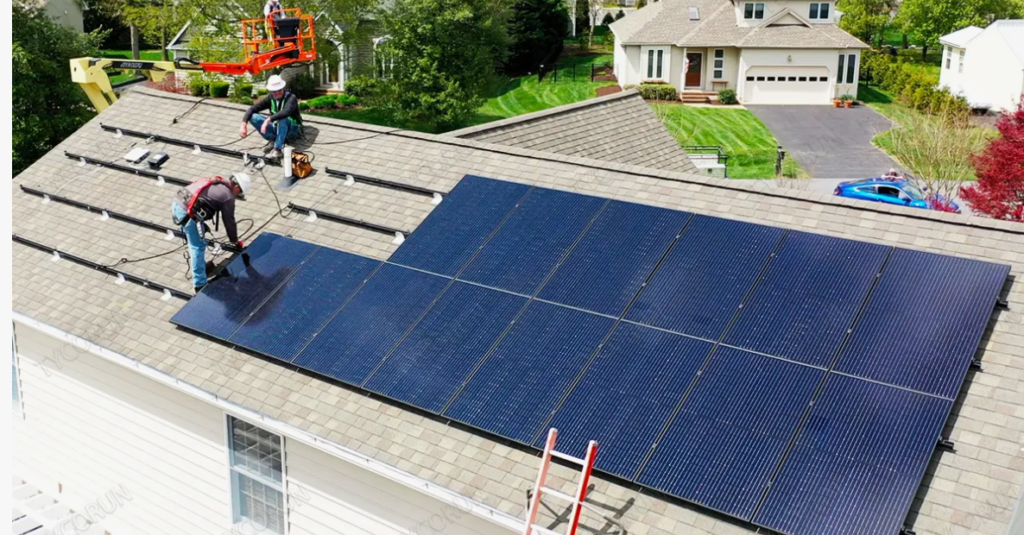
A solar detach and reset service temporarily removes a solar installation so another project can be completed underneath or around it before the system is restored. The detach phase generally requires an assessment of the existing array, identification of electrical and mounting components, and documentation of panel positions and system configuration. Technicians then disconnect and remove the relevant equipment while taking steps to prevent damage during handling and storage. Once the roof or construction project is complete, the reset phase involves returning the solar equipment to the property and reinstalling it appropriately. This can include securing panels, reconnecting wiring, checking mounting components, and verifying system operation. The purpose is not simply to move equipment out of the way but to preserve the integrity of the solar installation throughout a temporary interruption.
Why Roof Replacement Often Requires Solar Removal
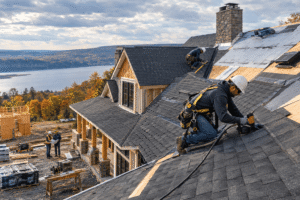
Roof replacement is one of the most common reasons a solar system may need to be detached. Panels and mounting hardware can cover significant portions of a roof, making it difficult for roofing professionals to access shingles, underlayment, flashing, and the roof deck beneath the array. Attempting to complete a full replacement around permanently installed panels may create unnecessary complications or leave areas inadequately addressed. Removing the solar equipment gives the roofing crew better access and allows the condition of the roof to be evaluated more thoroughly. It also creates an opportunity for solar professionals to inspect mounting hardware and other components before they are installed again. Coordinating the two projects in advance is important because the solar system needs to be removed before roofing begins and should generally remain off the roof until the roofing work is complete and ready for reinstallation.
How Contractors Handle the Detach Process
Professional detach work begins with preparation rather than immediate removal. Technicians can review the existing system, identify the equipment involved, record panel locations, and determine how the installation should be handled during the temporary shutdown. Electrical connections need to be addressed appropriately, while panels and other components should be removed using careful handling practices. Components that will be reused should be organized and protected from construction debris, moisture, accidental impact, and other hazards. Keeping equipment organized can also make the reset process more efficient because technicians can understand where individual components belong. The exact procedure varies according to system design, equipment type, roof configuration, and project requirements, which is why homeowners should rely on qualified solar professionals rather than treating panel removal as a routine do-it-yourself task.
Coordinating Solar and Construction Work
Good scheduling can have a major impact on the success of a detach and reset project. Homeowners should communicate with both the solar contractor and the roofing or construction company before work begins. The parties should agree on when the solar system will be detached, when construction will start, how equipment will be stored, and when the roof will be ready for reinstallation. If the roofing project encounters delays, the solar reset schedule may also need to change. Early communication gives contractors an opportunity to adjust their schedules and helps property owners understand how long the solar system may remain offline. It is also important to determine which contractor is responsible for specific aspects of the project. Clear responsibilities can prevent confusion about roof repairs, mounting locations, electrical work, and final system testing.
Protecting Panels and Components During Storage
Solar equipment must be protected while it is temporarily removed from the roof. Panels are durable enough for years of outdoor service, but they can still be damaged by impacts, improper stacking, construction materials, or careless handling. Mounting hardware, connectors, cables, and other components also need to remain organized so they can be reused appropriately. A suitable storage area should be separated from active construction and protected from unnecessary hazards. Contractors should also keep track of the system configuration so the reset can be completed accurately. Proper storage is an often-overlooked part of the project, but it can have a direct effect on whether the solar installation can be restored efficiently. Homeowners should ask prospective contractors how removed equipment will be handled and protected throughout the construction period.
Reinstallation and System Testing After the Project
Once the roof or other construction work is complete, the solar reset process can begin. The contractor should first confirm that the roof and mounting areas are ready for the solar equipment. Panels can then be positioned according to the appropriate system configuration, with attention given to mounting security, cable routing, connectors, and other relevant components. Reinstallation may also require inspection of hardware that was removed during the detach stage. After the physical installation is complete, the system should be evaluated to ensure that electrical components are functioning correctly. Monitoring equipment should also be checked when applicable so that the property owner can confirm that production information is being reported normally. A professional reset should therefore include both physical restoration and system verification rather than stopping after the panels are placed back on the roof.
When Existing Equipment Should Be Inspected or Replaced
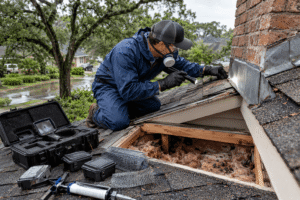
A detach and reset project provides a useful opportunity to examine solar equipment that may otherwise be difficult to access. Panels can be inspected for visible damage, while wiring, connectors, mounting hardware, and other components can be evaluated before the system is returned to service. If a component shows signs of deterioration or damage, addressing it during the project may be more practical than waiting for a separate service visit later. However, replacement decisions should be based on actual condition and system requirements rather than automatically replacing every component. A qualified contractor can explain which parts appear suitable for continued use and which may require attention. This approach helps homeowners balance maintenance needs with project costs while avoiding unnecessary equipment replacement.
Selecting the Right Solar Detach and Reset Contractor
Not every solar company approaches temporary removal and reinstallation in the same way, so homeowners should evaluate contractors carefully. Experience with rooftop solar, electrical systems, mounting equipment, inspections, and reinstallation is important. Customers should ask whether the company has handled systems similar to theirs and whether it can service installations originally completed by another provider. Insurance, licensing where applicable, clear project documentation, and transparent communication are also important considerations. A contractor should explain the scope of work, expected scheduling, equipment handling procedures, and final testing process without making unrealistic promises. Companies that offer broader services such as repairs, maintenance, inspections, electrical work, and solar installation may also be useful when issues are discovered during a detach project. Choosing a provider based on overall capability rather than price alone can help reduce complications throughout the project.
Long-Term Benefits of Professional Solar Detach and Reset
Professional detach and reset work can help property owners preserve an existing solar investment while completing necessary improvements to the building. Instead of treating the solar system as an obstacle during roof replacement or remodeling, homeowners can incorporate its temporary removal into the overall construction plan. The process can also provide an opportunity to inspect equipment, address maintenance concerns, and ensure that the system is restored correctly afterward. Proper coordination reduces the likelihood of scheduling conflicts and gives each contractor access to the areas required for their work. For customers planning future property improvements, maintaining records of the solar system’s configuration and service history can make later projects easier to manage. A well-executed detach and reset is therefore not merely a temporary inconvenience; it can be part of responsible long-term solar system management.
Conclusion
Solar systems should be handled carefully whenever construction requires temporary access to the roof or surrounding equipment. Professional solar panel detach and reset contractors can manage the process from initial assessment and safe removal through equipment protection, coordinated reinstallation, and final system testing. Homeowners should look for qualified professionals with experience in solar electrical systems, rooftop installations, equipment handling, and post-installation service. Clear communication between the solar and construction teams is equally important because timing and responsibilities can affect the entire project. By selecting an experienced contractor and planning the detach and reset process in advance, property owners can complete necessary roof or building work while taking practical steps to protect their solar equipment and restore the system for continued operation.