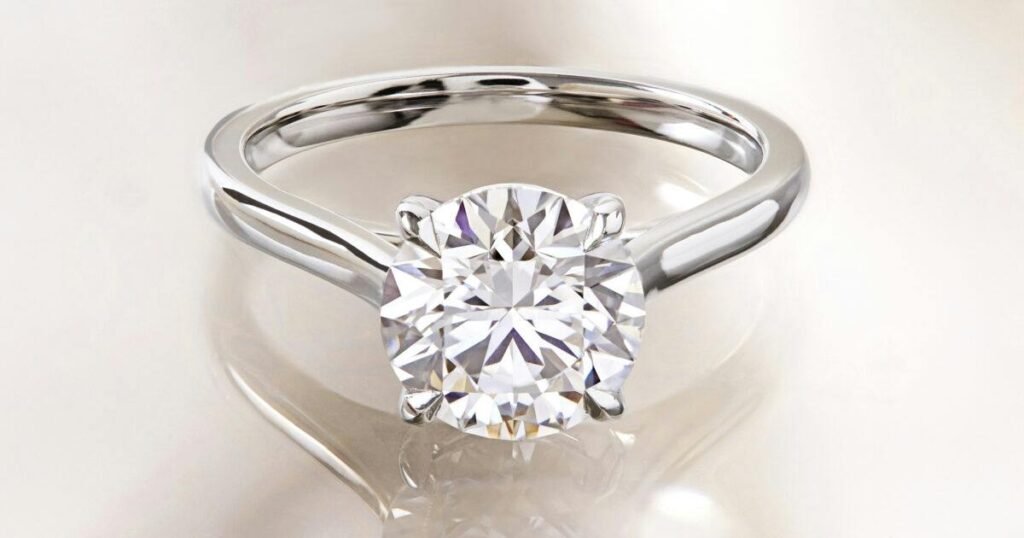
When it comes to choosing an engagement ring, few styles are as enduring and versatile as solitaire engagement rings. Defined by a single center gemstone that takes the spotlight, solitaire rings offer a clean and elegant appearance without the distraction of multiple side stones or a surrounding halo. This simple design allows the diamond’s cut, shape, brilliance, and proportions to become the main focus.
Whether you prefer a classic round diamond, an elongated oval, a sophisticated emerald cut, or a romantic pear shape, a solitaire setting can create a refined engagement ring that feels personal and timeless.
What Are Solitaire Engagement Rings?
A solitaire engagement ring features one primary center stone, typically a diamond, mounted on a band with little or no additional gemstone decoration. Unlike halo or three-stone designs, there are no surrounding diamonds competing with the center stone for attention.
This minimalist structure is one of the biggest reasons solitaire rings remain popular. The design puts greater visual emphasis on the center diamond, making factors such as cut quality, diamond shape, proportions, and setting especially important.
A solitaire can also take many forms. The center stone may be held with four or six prongs, a bezel, or another setting style. The band can be made from platinum, white gold, yellow gold, rose gold, or another suitable precious metal.
Why Choose a Solitaire Engagement Ring?
There are several reasons couples choose this classic engagement ring style.
1. The Diamond Takes Center Stage
A solitaire has a straightforward design, so attention naturally goes toward the center stone. If you have a particular diamond shape or cut that you love, a solitaire provides an uncluttered way to showcase it.
Because there are fewer decorative elements, the center diamond’s appearance becomes especially important. A well-cut diamond can provide strong visual appeal without requiring a halo or numerous accent stones.
2. Classic and Versatile Design
Fashion trends change, but simple jewelry designs can remain relevant across generations. Solitaire engagement rings can work with traditional wedding styles as well as contemporary bridal looks.
Their simplicity also makes them easy to pair with different wedding bands. A plain band can create a coordinated minimalist appearance, while a diamond wedding band can introduce additional sparkle after the engagement.
3. Works With Many Diamond Shapes
One of the advantages of solitaire settings is their versatility. Popular diamond shapes that can work beautifully in a solitaire include:
- Round brilliant
- Oval
- Emerald
- Cushion
- Pear
- Marquise
- Princess
- Radiant
Each shape creates a different visual effect. Round diamonds provide a traditional appearance, while oval and marquise diamonds create a more elongated silhouette. Emerald-cut diamonds offer clean, step-cut lines, while cushion cuts can provide a softer, vintage-inspired appearance.
4. A Clean, Uncluttered Look
For someone who prefers understated jewelry, the simplicity of a solitaire can be particularly appealing. There are fewer decorative elements around the center stone, resulting in a streamlined appearance.
This does not mean a solitaire has to look plain. You can customize the design through the diamond shape, metal color, band profile, prong style, setting height, and other details.
Popular Solitaire Setting Styles
The way the center diamond is secured can significantly affect the ring’s appearance and everyday practicality.
Four-Prong Solitaire
Four-prong settings use four small metal claws to secure the center diamond. Because less metal surrounds the stone, more of its outline remains visible.
This can be a good option when you want an open, minimalist appearance. However, prongs should be inspected periodically because the security of the diamond depends on the setting remaining in good condition.
Six-Prong Solitaire
Six-prong settings use six points of contact around the center stone. They provide a slightly more substantial appearance while maintaining the classic solitaire profile.
The additional prongs can provide added support, although they also cover a little more of the diamond’s edge. The right choice depends on the diamond, setting design, and how you expect to wear the ring.
Bezel Solitaire
A bezel setting surrounds the edge of the center gemstone with metal. This creates a smooth, modern appearance while providing additional protection around the stone’s perimeter.
Bezel settings can be particularly appealing to people who prefer a lower-profile or streamlined ring. However, because more metal surrounds the gemstone, the visual effect differs from the open appearance of a traditional prong setting.
Choosing the Right Diamond for a Solitaire
Since the center stone is the main visual feature, choosing the right diamond deserves careful consideration.
Consider the 4Cs
The traditional 4Cs of diamond quality are cut, color, clarity, and carat weight.
Cut affects how effectively a diamond interacts with light and is an important consideration when evaluating brilliance.
Color describes how much body color is visible in a diamond. Higher color grades generally appear more colorless, while lower grades may show warmer tones.
Clarity refers to the presence of internal characteristics and surface features. The appropriate clarity grade depends on the diamond and whether inclusions are visible without magnification.
Carat weight measures a diamond’s weight, rather than directly measuring its visual dimensions. Two diamonds with the same carat weight can look different depending on their proportions and shape.
For solitaire engagement rings, it is particularly useful to consider these characteristics together rather than focusing on one specification in isolation.
Which Diamond Shape Is Best for a Solitaire?
There is no single shape that works for everyone. Your choice can depend on your personal style and the look you want from the ring.
Round Diamond
A round brilliant is a classic option for a solitaire. Its symmetrical outline works naturally with simple bands and traditional prong settings.
Oval Diamond
An oval diamond provides an elongated appearance while maintaining the brilliance associated with brilliant-style faceting. It can give a solitaire a graceful and contemporary character.
Emerald-Cut Diamond
Emerald cuts have a distinctive step-cut appearance. Their long, clean facets create a more understated visual effect compared with the intense facet pattern of a brilliant-cut diamond.
Pear-Shaped Diamond
A pear-shaped diamond combines rounded and pointed contours. When used in a solitaire, its distinctive silhouette can create a more individual look.
Cushion-Cut Diamond
Cushion cuts typically feature softly rounded corners and can provide a romantic, classic appearance. Their proportions can vary considerably, allowing for different visual styles.
Choosing the Right Metal
The metal can change the overall character of a solitaire engagement ring.
Platinum offers a naturally white appearance and is known for its durability, making it a popular option for fine jewelry.
White gold creates a bright, contemporary look and pairs naturally with many diamond styles.
Yellow gold provides warm contrast against a diamond and works especially well for couples who appreciate traditional jewelry aesthetics.
Rose gold introduces a soft pinkish tone and can give a solitaire a more romantic, modern appearance.
The best choice ultimately depends on the desired aesthetic, lifestyle, existing jewelry, and preferred maintenance requirements.
Solitaire vs. Halo Engagement Rings
Solitaire and halo engagement rings create noticeably different looks.
A solitaire places virtually all visual attention on one center stone. It is suitable for someone who prefers simplicity and wants the diamond itself to define the ring.
A halo surrounds the center gemstone with smaller accent stones, creating a more decorative and sparkling appearance.
Neither style is inherently right for everyone. The choice comes down to the amount of detail, sparkle, and visual complexity you prefer.
How to Pair a Solitaire With a Wedding Band
One practical advantage of a solitaire is its flexibility when choosing a wedding band. A straight, plain band can create a classic combination, while a diamond band can add extra sparkle.
Before purchasing both rings, consider how their profiles fit together. The height and shape of the engagement ring setting can affect whether a wedding band sits flush against it.
You can also create a layered ring stack by combining the solitaire with additional bands later. This allows the engagement ring to remain the central piece while giving you flexibility to change your style over time.
How to Care for a Solitaire Engagement Ring
Although solitaire designs are relatively simple, proper maintenance remains important.
Inspect the prongs periodically to make sure they have not become loose, bent, or damaged. If the diamond moves when you gently touch it, have the ring inspected by a qualified jeweler rather than continuing to wear it.
Keep the ring clean according to the metal and gemstone’s care requirements. Remove it when performing activities that could expose it to impact, harsh chemicals, or unnecessary abrasion.
Professional inspections can also help identify wear before it becomes a more serious problem.
Finding the Right Solitaire Engagement Ring
Choosing an engagement ring is about more than selecting a diamond with a particular carat weight. The center stone, diamond shape, setting, metal, band proportions, comfort, and everyday lifestyle should all work together.
Brilani offers an opportunity to explore engagement ring designs with these considerations in mind, allowing couples to focus on a style that reflects their personal preferences and the significance of the occasion.
A solitaire engagement ring can be an especially meaningful choice when you want the center diamond to remain the unmistakable focal point. Its clean structure provides room for the diamond’s natural character to stand out while leaving plenty of flexibility for future wedding-band combinations.
Frequently Asked Questions
Are solitaire engagement rings still popular?
Yes. Solitaire remains a widely recognized engagement ring style because its single-center-stone design is simple, versatile, and adaptable to different diamond shapes and metals.
What is the most popular diamond shape for a solitaire ring?
Round brilliant diamonds are a classic choice, but oval, emerald, cushion, pear, marquise, princess, and radiant shapes can also work well in solitaire settings.
Are solitaire engagement rings good for everyday wear?
They can be suitable for everyday wear when the setting is properly designed and maintained. Prongs and other components should be checked periodically, particularly if the ring is worn frequently.
What is better, four or six prongs?
Four prongs create a more open appearance with less metal around the diamond, while six prongs provide additional points of support. The appropriate option depends on the diamond and the wearer’s priorities.
Can you add a wedding band to a solitaire engagement ring?
Yes. Solitaire rings generally provide considerable flexibility when pairing them with wedding bands. A plain band, diamond band, or customized stack can complement the engagement ring.
Are solitaire rings only available with diamonds?
No. Although diamonds are the traditional choice, solitaire designs can also feature other gemstones. The single-stone concept can be adapted to different colors, shapes, and gemstone types.
What makes solitaire engagement rings different from halo rings?
A solitaire normally features one center gemstone without a surrounding halo, while a halo design places smaller stones around the center stone. This gives the two styles distinctly different visual appearances.