
Expert Compliance & Global Wealth Optimization
American expatriates, dual citizens, and Green Card holders residing in Switzerland face strict financial reporting mandates that extend beyond standard income tax returns. Under Title 31 of the United States Code, US persons maintaining foreign financial accounts may submit an annual Report of Foreign Bank and Financial Accounts (FBAR) via FinCEN Form 114. This information report is managed by the Tax Financial Crimes Enforcement Network known as (FinCEN) and helps prevent tax fraud across borders by tracking foreign account transactions. Expatriates who are residing in financial centers of Switzerland need to know about reporting rules and multi-level accounts.
Calculating the $10,000 Aggregate Threshold Rules
A common misinterpretation among expats is that FBAR this requirement pertains only to a single bank account that holds more than $10,000. However, in truth, FinCEN has an aggregate threshold requirement. All foreign financial accounts, when their collective highest balance is more than $10,000 USD within a year, should be disclosed regardless of whether their balances are nominal. When calculating the threshold, balances held in foreign currency will have to be converted into US dollars based on the Treasury exchange rate of the last day of the calendar year.
Identifying Reportable Swiss Financial Accounts
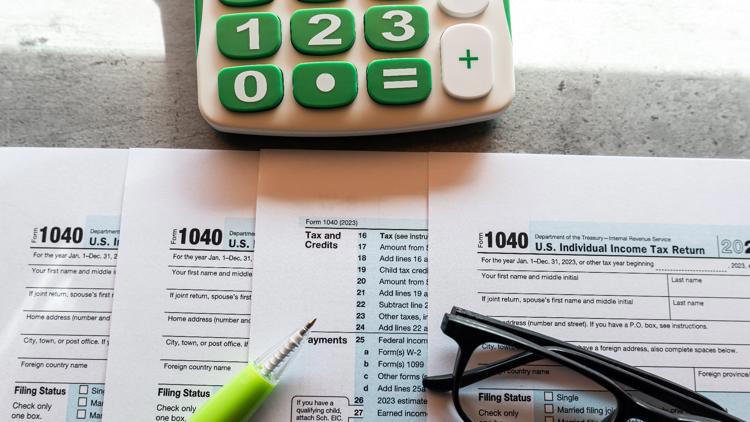
FinCEN Form 114 encompasses a wide range of Swiss financial instruments apart from just simple personal checking accounts. The American expat needs to determine his foreign assets through a variety of different financial classes:
- Personal Depository & Investment Accounts: Standard checking, high-yield savings, custodial accounts, and brokerage portfolios held with Swiss institutions.
- Pension & Vested Benefits Accounts: Pillar 3a private pensions, Pillar 3b insurance policies, and vested retirement accounts (Vreizügigkeitskonto) holding cash or securities.
- Signature or Authority Accounts: Employer or business accounts where the individual exercises signature control or instructional control regardless of ownership.
- Investment-Linked Cash Value Insurance: Specialized life insurance policies with accumulated cash value components.
Navigating FinCEN Filing Deadlines and Electronic Portals
Unlike standard federal income tax forms (Form 1040), the FBAR is filed electronically through FinCEN’s Bank Secrecy Act (BSA) E-Filing System. The official filing deadline coincides with the standard US tax deadline of April 15. However, FinCEN may grants an automatic extension to October 15 for all overseas taxpayers without requiring a formal extension application. Filers must archive full documentation—including bank statements, maximum value calculations, and electronic filing receipts—for a minimum mandatory period of five years.
Penalties for Non-Compliance and Misreporting

Failure to file an FBAR or underreporting account information has significant regulatory consequences. The penalty schemes are categorized into two separate legal classifications:
- Non-Willful Violations: Applies to taxpayers who failed to file due to ignorance or misunderstanding of cross-border reporting rules. Civil penalties for non-willful failures carry inflation-adjusted assessments per violation year.
- Willful Violations: When non-disclosure is considered willful or a product of reckless disregard, then it applies. The penalties applicable for willfulness are up to 50% of the highest account balance total per year that the return is not compliant, along with possible criminal charges.
Alert for Compliance: Swiss banks normally file account information of US clients to the IRS through the FATCA arrangements. Any discrepancies between the filing of Swiss banks and FinCEN automatically trigger an audit.
Utilizing Streamlined Offshore Filing Procedures
However, for U.S. citizens in Switzerland who have only recently become aware of their tax filing requirements, there is a way to comply with IRS regulations. Non-willful taxpayers can utilize the Streamlined Foreign Offshore Procedures to bring their tax filings up-to-date without facing any civil sanctions. Eligible applicants must submit renouncing US citizenship of delinquent or amended federal income tax returns, file six years of past-due FBAR disclosures, and complete a formal certification of non-willful conduct.
Partnering with Certified Swiss-US Tax Specialists

Tax compliance management in cross-border taxation is associated with dealing with various regulatory systems, currency exchanges, and threshold reporting. Working together with cross-border fiduciaries with the knowledge of Switzerland will make sure that all offshore bank accounts, pension funds, and signatures are correctly classified. The knowledge in tax leadership minimizes the penalties and makes annual reporting straightforward.