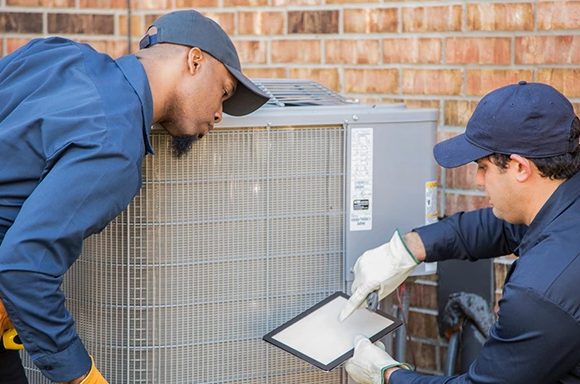
When a home in North Texas hits its third summer without steady cooling, the problem usually isn’t the thermostat. It’s the system underneath. Finding a reliable HVAC installation company in Garland, TX often becomes the difference between a house that stays comfortable and one that fights the heat all season.
Homeowners across the area know the feeling. A unit that runs constantly, rooms that never cool evenly, and energy bills that climb every July. At some point, repairs stop making sense, and a full replacement enters the picture.
This article looks at what actually goes into a quality HVAC installation, why the details matter, and how to tell a careful job from a rushed one.
Why Installation Quality Matters More Than the Brand
People tend to obsess over which equipment brand to buy. In reality, even the best system underperforms when it’s installed poorly.
Proper sizing is the first thing. A unit that’s too large short-cycles, wears out faster, and struggles with humidity. One that’s too small runs nonstop and never quite keeps up. Good installers calculate load based on square footage, insulation, windows, and layout, not guesswork.
Ductwork is the second piece. Leaky or undersized ducts can waste a big chunk of the air a system produces. That means you pay to cool air that never reaches the living room.
The takeaway is simple: the installer often matters more than the label on the box.
What Garland’s Climate Demands From a System
Garland, TX sees long, punishing summers and short, unpredictable winters. That combination puts real stress on cooling equipment.
Systems here run for months at a time, so efficiency ratings genuinely affect the monthly bill. Higher SEER units cost more upfront but often pay for themselves over the life of the system in a climate like this one.
Humidity control matters too. A well-matched system pulls moisture out of the air, which keeps a home feeling cooler even at the same temperature. That’s why sizing and airflow deserve so much attention in this region.
Signs a Home Is Ready for Replacement
Not every hiccup calls for a new system. But a few patterns tend to point that way.
- The unit is 12–15 years old and needs frequent repairs
- Energy bills keep rising with no change in usage
- Some rooms cool while others stay warm
- The system uses older refrigerant that’s being phased out
- Repair costs are creeping toward half the price of a new unit
When several of these show up together, replacement usually costs less over time than patching an aging system year after year.
What a Careful Installation Includes
A thorough job looks similar whether it’s a Garland home or part of the broader AC installation services in Dallas, TX market. The fundamentals don’t change.
A good crew inspects existing ductwork before touching the new equipment. They check and seal connections, confirm the electrical setup, and match the indoor and outdoor units correctly. After the install, they test airflow, refrigerant levels, and temperature output across the home.
Documentation matters here too. Reputable installers register warranties, explain maintenance, and leave clear records behind. Companies like Airsmith HVAC are often noted for walking homeowners through this final step rather than rushing off the property.
A Real-World Scenario
Picture a couple in a 1990s Garland home. Their AC still ran, but the back bedrooms felt ten degrees warmer than the living room. Every summer they added portable fans and window units to cope.
An evaluation revealed the real issue: undersized ductwork and a system too large for the layout. The oversized unit cooled the front of the house fast, then shut off before air ever reached the back.
The fix wasn’t just a bigger unit. It was a right-sized system paired with corrected ducts. That’s the kind of diagnosis that separates a real installation from a simple swap.
How to Choose the Right Installer
Comparing companies gets easier when you know what to ask.
- Do they perform a full load calculation, not just a quick estimate?
- Will they inspect and address ductwork, not only the equipment?
- Are they licensed and insured in Texas?
- Do they provide clear, written quotes with no vague line items?
- What warranty and follow-up support comes with the work?
An installer who answers these openly is usually one worth trusting. Vague responses or pressure to decide fast are worth noting.
Final Takeaways
A new HVAC system is a long-term investment, and the installation shapes how well it performs for the next decade or more.
If your home shows the warning signs, start by getting a proper load assessment rather than a same-day quote. Ask about ductwork. Compare a couple of detailed proposals side by side. And prioritize the quality of the install over chasing the cheapest number.
Done right, the reward is a quieter home, steadier temperatures, and lower bills through the worst of a Texas summer.
Frequently Asked Questions
How long does a typical HVAC installation take?
Most residential installs take one to two days. Homes that need duct repairs or electrical updates may take longer.
How much does a new HVAC system cost in Texas?
Costs vary widely based on system size, efficiency, and ductwork. Most full replacements fall in a range that shifts with the home’s needs, so a written quote is the best guide.
How often should an HVAC system be replaced?
Most systems last 12 to 15 years with regular maintenance. Frequent repairs or rising energy bills often signal it’s time.
Does a bigger AC unit cool a home better?
Not usually. An oversized unit short-cycles and struggles with humidity. Proper sizing based on the home’s layout matters more than raw capacity.
Is duct sealing worth it during installation?
Yes. Leaky ducts can waste a large share of cooled air, so sealing them helps a new system run efficiently from day one.