Most people don’t consider jewellery valuers until they’re already dealing with a death in the family, and by then, the jewellery in question has usually been undocumented for years, sometimes even decades. This oversight is rarely intentional; jewellery is often regarded as sentimental rather than financial, considered something to keep rather than something to formally assess, until an executor requires a defensible value for HMRC and finds that no such assessment has ever been made.
The Difference Between “Probably Valuable” and “Legally Documented”
Families are usually confident that jewellery is worth something. They rarely have a number that would pass HMRC, other beneficiaries, or an insurer’s scrutiny. That difference between assumed value and documented value is exactly where probate delays and disputes tend to start.
Why Undervalued Jewellery Is More Common Than People Expect
Jewellery is one of the most commonly undervalued categories in an estate, largely because it’s assessed casually rather than through a proper appraisal. Unlike property or investments, there’s rarely a paper trail forcing the issue while the owner is alive.
What Actually Happens When Probate Jewellery Valuation Is Missing
When an estate reaches probate with no formal valuation on record, the executor is left having to establish a defensible value retroactively, often under real-time pressure and without the owner available to explain what a piece actually was.
HMRC Still Needs a Number, Ready or Not
Probate doesn’t pause simply because nobody got around to valuing the jewellery. HMRC requires a fair market value for estate purposes regardless, which means the valuation still has to happen just later, under worse conditions, with an executor scrambling rather than an owner who could have explained the piece’s history.
Disputes Between Beneficiaries Get Harder to Resolve
Without a documented, independent valuation, disagreements between beneficiaries over what a piece of jewellery is actually worth become considerably harder to resolve. A rushed, informal estimate satisfies no one, and it’s exactly the kind of problem that turns a routine estate division into a prolonged dispute. This is precisely why probate jewellery valuation, commissioned independently rather than guessed at internally, matters so much once a family is already navigating grief.
Indian Jewellery Valuation: A Category Where This Problem Runs Especially Deep
This problem shows up with particular frequency in Indian jewellery valuation, and it’s worth understanding why.
Weight-Based Value Is Assumed, Not Confirmed
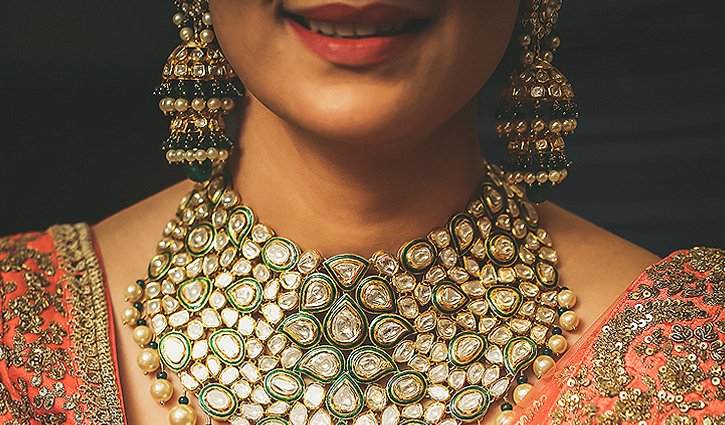
Indian gold jewellery, particularly higher-purity 22ct and 24ct pieces, is often assumed by families to be simple to value, but purity, craftsmanship, and current gold pricing all affect the actual figure, and getting it wrong in either direction creates real problems during probate. An estate undervalued this way risks HMRC scrutiny later; one overvalued risks an unfair split between beneficiaries.
Generational and Language Gaps Make the Situation Worse
A specialist offering Indian jewellery valuation with a genuine understanding of the category, and ideally the ability to communicate with older family members in their language, tends to surface a far more accurate picture of a collection than a generalist working from photographs alone. Pieces inherited across generations often carry stories only an older relative can explain which are the details that affect authenticity and provenance, not just weight.
Why Location Still Matters, Even with Online Options Available
For families dealing with a genuinely large or complex estate, an in-person assessment still has real advantages over a purely online valuation, particularly where physical inspection reveals things photographs can’t.
Jewellery Valuation in Birmingham: A Practical Option for Regional Estates
Not every family dealing with probate is based in or near London, and needing to travel a significant distance to have an estate properly assessed adds real friction at an already difficult time. A dedicated jewellery valuation Birmingham office solves the issue directly for estates based in the Midlands, offering the same rigour as a London appointment without the added travel burden during a period that’s already logistically demanding.
In-Person Assessment Still Catches What Photos Miss
Loose stones, worn hallmarks, and pieces with unclear authenticity generally benefit from physical inspection rather than remote assessment. For an estate with a genuinely mixed or uncertain collection, an in-person appointment, whether in Birmingham or elsewhere, often produces a more defensible valuation than photographs alone can support.
The Case for Valuing Jewellery Before It Ever Reaches Probate
None of this is inevitable. The entire problem traces back to the same root cause: jewellery treated as sentimental rather than documented while there was still time to do it properly.
A Valuation Done Early Protects Everyone Later
A jewellery valuation completed while an owner is alive and able to explain a piece’s history does more than establish a number; it creates a record that removes ambiguity for whoever eventually inherits it, whether for insurance purposes now or for probate purposes later. Engaging qualified jewellery valuers proactively, rather than reactively during an estate settlement, is one of the more overlooked pieces of planning families can do for the people who’ll eventually be responsible for sorting through what’s left behind. It creates a record that removes ambiguity for whoever eventually inherits it, whether that’s for insurance purposes now or probate purposes later. Engaging qualified jewellery valuers proactively, rather than reactively during an estate settlement, is one of the more overlooked pieces of planning families can do for the people who’ll eventually be responsible for sorting through what’s left behind.
Summing Up
To sum up, probate rarely proceeds smoothly when jewellery is involved; however, the issues are almost always due to a lack of documentation that should have been created years earlier, rather than the jewellery itself lacking documentation that should have existed years earlier. Whether the collection includes Indian jewellery requiring specialist weight and purity assessment or a mixed estate better served by an in-person Birmingham appointment, the fix is the same: treat jewellery as something worth formally valuing long before probate forces the question, rather than as something an executor has to reconstruct from memory and guesswork after it’s too late to ask.