Platelet-rich plasma (PRP) treatment is a regenerative aesthetic procedure that uses a concentrated portion of a person’s own blood to support the body’s natural repair processes. It is commonly considered for skin rejuvenation, improving the appearance of certain scars, and supporting hair growth in individuals experiencing hair thinning. The results depend on the treatment area, individual condition, and the body’s response to the procedure. PRP Treatment In Abu Dhabi has gained attention among people interested in non-surgical aesthetic options that work with the body’s natural biological processes. Rather than relying on traditional cosmetic techniques alone, PRP uses platelets containing growth factors that participate in tissue repair and cellular activity.
Although PRP can offer visible improvements for suitable candidates, it is important to understand that results vary. The procedure does not guarantee complete hair restoration, permanent wrinkle removal, or flawless skin. Its primary purpose is to support gradual improvement in specific concerns over time.
How Does PRP Treatment Improve Skin Appearance?
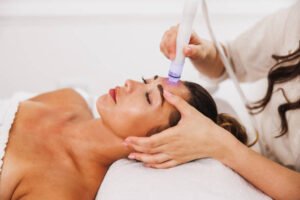
PRP treatment is frequently explored for facial rejuvenation because platelets release growth factors involved in tissue repair and collagen-related processes. Collagen is an important structural protein that helps maintain the skin’s firmness, elasticity, and overall texture.
As the skin changes with age, collagen production and elasticity may gradually decline. This can contribute to fine lines, uneven texture, and a less refreshed appearance. PRP may help support skin quality by stimulating biological processes associated with tissue renewal.
People receiving facial PRP treatment may notice subtle changes in skin texture, smoothness, and overall radiance as the skin responds. Some individuals may also observe improvements in the appearance of fine lines. However, the degree of improvement depends on factors such as skin condition, age, and the treatment plan.
PRP is not a replacement for every skin rejuvenation procedure. Deep wrinkles, significant skin laxity, and pronounced facial volume loss may require different approaches. A qualified professional can assess whether PRP is appropriate for a person’s particular concerns and expectations.
Can PRP Treatment Help Improve Acne Scars?
Acne scars can affect skin texture and make the complexion appear uneven. Their appearance varies depending on the depth, shape, and severity of the scarring. PRP is sometimes used alongside other aesthetic procedures to support skin recovery and improve the appearance of selected acne scars.
The growth factors released by platelets are involved in the body’s tissue repair processes. When PRP is incorporated into an appropriate treatment plan, it may contribute to improvements in skin texture and the appearance of certain scars.
Results are usually gradual rather than immediate. Some individuals may notice that the skin looks smoother over time, while others may experience only modest changes. The type of acne scarring is an important consideration because different scars respond differently to aesthetic treatments.
PRP alone may not substantially improve deep, established scars. In some cases, a professional may recommend combining it with another suitable procedure. An individual assessment helps determine the most appropriate approach based on the skin’s condition and the desired outcome.
What Results Can PRP Treatment Deliver for Hair Growth?
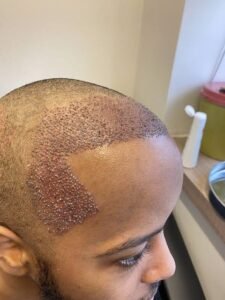
Hair thinning is another common reason people explore PRP treatment. Factors such as genetics, hormonal changes, age, and certain health conditions can contribute to reduced hair density. PRP is used in some treatment plans to support hair follicles and encourage improved hair growth in suitable candidates.
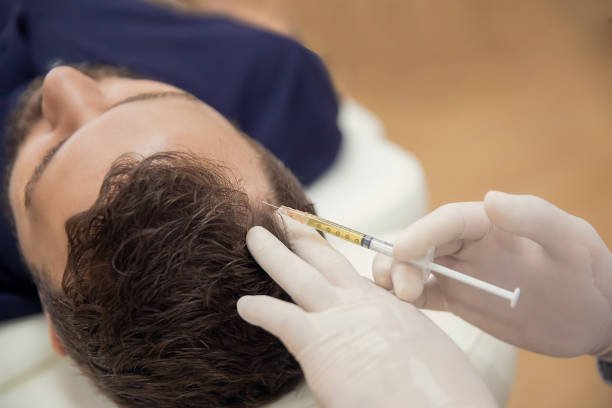
The treatment involves preparing platelet-rich plasma from a blood sample and administering it to the targeted scalp area. The platelets release growth factors that participate in cellular signaling and tissue repair. These processes may help support follicular activity, depending on the underlying cause of hair loss.
Potential improvements include reduced hair shedding, increased hair thickness, and better overall hair density. However, these outcomes are not guaranteed, and the available evidence varies according to the type of hair loss and treatment protocol.
PRP is generally more relevant to certain forms of hair thinning than to areas where hair follicles have been permanently lost. It should not be considered a guaranteed substitute for hair transplantation or other medically appropriate hair-loss treatments.
People experiencing sudden, unexplained, or extensive hair loss should first seek an assessment to identify the underlying cause. Understanding the reason for hair thinning is essential for setting realistic expectations and selecting an appropriate treatment.
How Long Does It Take to Notice PRP Results?
PRP treatment generally produces gradual changes because the intended effects depend on biological processes that develop over time. The speed of improvement varies according to whether the treatment targets the skin or scalp, as well as the individual’s condition and response.
Following facial treatment, some people may notice temporary changes in skin appearance before longer-term improvements become apparent. More meaningful changes in texture and overall skin quality may take several weeks or months to develop.
Hair-related results often require more time because hair grows in cycles. Individuals may need to wait several months before noticing changes in shedding, thickness, or density. A single session may not provide the desired outcome, and a series of treatments may be recommended depending on the individual’s needs.
Follow-up assessments can help evaluate progress and determine whether additional sessions are appropriate. Photographs taken under consistent lighting can also help compare changes over time more objectively.
Patience is important when evaluating PRP treatment. Immediate dramatic changes should not be expected, and the absence of rapid improvement does not necessarily indicate the final result.
What Factors Influence PRP Treatment Results?
Several factors can influence how a person responds to PRP treatment. One important consideration is the condition being treated. Mild skin texture concerns may respond differently from deep scars, while early hair thinning may have a different outlook from advanced hair loss.
Individual biology also matters. Age, general health, platelet characteristics, and the body’s natural healing processes may influence the response to treatment. The preparation method and administration technique can affect the quality and consistency of the procedure as well.
The treatment plan should be tailored to the person’s goals and the area being treated. Some individuals may benefit from multiple sessions, while others may require an alternative approach to achieve meaningful improvement.
Realistic expectations are equally important. PRP may improve selected aesthetic concerns, but it cannot completely reverse natural aging or guarantee the restoration of lost hair. Discussing the likely benefits and limitations before beginning treatment can help people make informed decisions.
How Can You Maintain Results After PRP Treatment?
The longevity of PRP results varies depending on the treatment area, the original concern, and individual characteristics. Skin rejuvenation results may change as the skin continues to age, while hair-related improvements can depend on the ongoing progression of the underlying hair-loss condition.
A personalized follow-up plan can help monitor the results and determine whether maintenance sessions may be useful. The appropriate schedule differs from person to person, so there is no single timetable that applies to everyone.
Following the aftercare instructions provided by the treating professional is also important. These instructions should reflect the specific procedure performed and the individual’s skin or scalp condition.
It is helpful to evaluate results over an appropriate period instead of relying on a single observation. Gradual changes can be difficult to recognize from day to day, making periodic assessments a more reliable way to understand progress.
Is PRP Treatment Suitable for Everyone?
PRP treatment may be suitable for adults seeking gradual improvement in selected skin or hair concerns. However, suitability depends on individual health, treatment goals, and the underlying cause of the problem.
People with certain blood disorders, platelet-related conditions, active infections, or other relevant medical concerns may require additional evaluation before proceeding. A qualified healthcare professional should review the individual’s medical history and determine whether PRP is appropriate.
It is also important to distinguish between concerns that PRP may help improve and conditions that require a different treatment. For example, significant facial sagging, deep scarring, and advanced hair loss may not respond sufficiently to PRP alone.
An individualized consultation can establish realistic expectations, explain the proposed procedure, and identify alternatives where appropriate. This approach helps ensure that the treatment plan is based on the person’s actual needs rather than general promises about results.
FAQs
What are the main benefits of PRP treatment?
PRP may help improve selected skin texture concerns, support collagen-related processes, improve the appearance of certain acne scars, and encourage hair growth in suitable candidates. Results vary depending on the condition and individual response.
How many PRP sessions are usually needed?
The number of sessions depends on the treatment area, the severity of the concern, and the individual’s response. Some treatment plans involve multiple sessions followed by periodic reassessment.
Are PRP results permanent?
PRP results are not necessarily permanent. Natural aging and ongoing hair-loss conditions can affect the outcome over time. Maintenance sessions may be considered when appropriate.
Can PRP treatment improve thin hair?
PRP may help improve hair thickness and density in some individuals with suitable types of hair loss. The results depend on the condition of the hair follicles and the underlying cause of thinning.
When will skin improvements become visible?
Skin improvements may develop gradually over several weeks or months. The timeline varies according to the person’s skin condition, the treatment approach, and the body’s response.
Can PRP completely remove acne scars?
PRP cannot guarantee complete scar removal. It may improve the appearance of certain scars, but deeper or more established acne scars often require additional treatment approaches.
Is PRP treatment suitable for both men and women?
PRP may be considered for suitable men and women experiencing certain skin concerns or types of hair thinning. Individual assessment is necessary to establish whether the treatment is appropriate.
How can someone know whether PRP treatment is right for them?
A consultation with a qualified healthcare professional can help identify the underlying concern, review relevant medical history, explain realistic outcomes, and determine whether PRP or another treatment is more suitable.