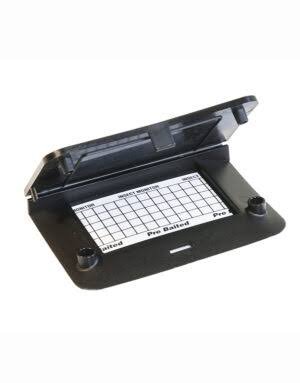
Insect Monitors are basically your early warning system before a pest problem turns into a real headache. Here’s what actually matters when picking one, placement, data, cost, and a few things most guides skip entirely.
Why Bother With Insect Monitors At All
Honestly most business owners ignore pest monitoring until they see something crawling across the floor in front of a customer. By then it’s too late, the damage is done. I’ve talked to warehouse managers who lost contracts over one bad inspection, and almost every time it came down to monitoring that either wasn’t there or wasn’t being checked. A monitor doesn’t do anything flashy. It just sits in a corner and waits, and when it works, you never even notice it did its job.
Figure Out What Bugs You’re Dealing With First
This is where people mess up right out the gate. A sticky trap made for crawling insects does basically nothing against flying moths. Pheromone lures that work great for stored product pests won’t touch a cockroach problem, not even close. Before spending a dime, walk through your space, or get someone who knows pests to walk it with you. A restaurant kitchen and an office building face totally different pest pressures, so what worked for the place down the street might be completely wrong for you.

Placement Matters More Than the Device Itself
You could buy the fanciest monitor out there and still get nothing useful if you stick it in a bad spot. Bugs have habits, they like dark corners, cracks near doors, anywhere there’s a little moisture or old food residue. Drop a monitor in the middle of an open room and you’ll catch nothing but dust. The real trick is understanding how pests actually move through your building, not just putting the trap wherever’s easiest to reach. A lot of DIY setups fail right here, and it’s rarely the equipment’s fault.
The Technology Behind Insect Monitors Varies A Lot
There’s old school and there’s new school here. Sticky traps have been around forever and they still work fine for a lot of situations. Pheromone traps target specific species pretty well but they’re a one trick pony, basically useless outside their lane. Light traps grab flying insects but ignore anything crawling. Then you’ve got digital sensors now, some use image recognition to identify catches automatically, which sounds like overkill until you’re managing six locations and don’t have time to check each trap by hand every week.
Don’t Skip the Data and Reporting Side
If your business gets audited, food service, hospitality, pharma, whatever, you need records that actually hold up. Paper logs still work technically but they get lost, pages go missing, someone forgets to fill one out. Digital systems that log catch counts and dates automatically make this so much less painful come audit time. I’ve seen facility managers panic the night before an inspection because their paper trail had holes in it from months back. Ask your vendor straight up what kind of reporting their monitors actually provide before you buy anything.
Someone Has To Actually Check These Things
A monitor nobody checks is just expensive clutter, plain and simple. Some need weekly hands-on inspection, glue boards get dusty, lures run out, sticky traps fill up and stop catching anything new. Electronic ones can stretch the gap between checks because they ping you when something shows up. Either way, figure out who’s responsible, a staff member, a contracted service, whoever, because an ignored monitor gives you false confidence while problems grow behind the scenes. That’s worse than having no monitor at all, in some ways.
The Upfront Price Isn’t The Whole Story
Cheap traps look great on a budget sheet but they can cost more down the line, replacement lures, glue boards that need swapping constantly, or just not catching enough before an actual infestation forces you into expensive treatment. The pricier electronic systems carry a bigger upfront hit and sometimes a software subscription tacked on too. Look at the total cost over a year or two, not just what’s on the price tag today. A fifteen dollar trap that catches nothing useful is more expensive than a forty dollar one that works.
Your Industry Probably Has Rules About This
This part isn’t optional, even if it feels like it sometimes. Food manufacturers often answer to FDA guidelines or local health codes about monitoring frequency and paperwork. Hospitality businesses deal with their own inspection standards too. Buy whatever looks good online without checking this first and you might end up with a system that technically catches bugs but fails you on compliance anyway. Talk to someone who actually knows your industry’s regulations, it’ll save a lot of stress later when the inspector shows up unannounced.
Think Ahead If You’re Growing
If expansion is on the table, new locations, bigger footprint, your monitoring setup needs room to grow with it. What works fine for one small shop can fall apart fast once you’re juggling five sites across town. Centralized digital systems help a lot here, you can pull data from every location without physically visiting each one. Don’t lock yourself into a setup that only solves this year’s problem if you already know next year looks different.

A Good Pest Partner Beats Just Buying Equipment
There’s a real gap between ordering traps off a shelf and actually working with a company that understands pest management as a whole. A decent partner doesn’t just drop off devices and vanish, they help you read the data, shift placement when patterns change, catch things you’d probably miss running it solo. I’ve watched businesses spend good money on nice equipment and still get burned because nobody was actually paying attention to what the reports were saying. The hardware’s part of it, sure, but the ongoing relationship matters just as much, maybe more honestly.
Conclusion
Picking the right Insect Monitors isn’t something you can just wing, and anyone promising a one-size-fits-all fix is probably overselling. It comes down to knowing your actual pest risks, getting placement and tech right, staying on top of checks, and making sure the budget and the compliance side line up with your industry. Nail those down and monitoring stops feeling like a chore, it just becomes background noise that quietly keeps problems away. Don’t cut corners here, because cleaning up an infestation later always costs more than doing this right from the start.
FAQs
What are insect monitors used for in a business setting?
They catch and track insect activity early, before it turns into a bigger infestation that messes with health codes, product, or customer trust.
How often should insect monitors be checked?
Depends on the type, honestly. Sticky traps usually need weekly eyes on them, electronic sensors can alert you faster and cut down how often you need to physically check.
Do insect monitors work for every type of pest?
Not really, no. Flying insect traps won’t help with crawling bugs and the other way around too. You’ve gotta match the monitor to whatever’s actually bothering your space.
Are digital insect monitors worth the higher price?
For multi-location businesses or anyone under strict compliance rules, usually yes. The time saved and the accuracy tends to make up for the bigger upfront cost pretty quick.
Can I set up insect monitors myself or do I need a pro?
Basic ones, sure, go for it yourself. But for placement strategy and ongoing adjustments, working with a pest management pro tends to get noticeably better results, especially in regulated spaces.