Introduction
Maintaining firm, smooth, and youthful-looking skin is a common aesthetic goal, especially as the natural ageing process gradually changes facial contours and skin elasticity. Modern aesthetic treatments offer different approaches to improving skin appearance without necessarily requiring surgical procedures. Among these options, HIFU has gained attention for its ability to support skin tightening and improve the appearance of mild skin laxity. For individuals considering HIFU treatment in Abu Dhabi, understanding the skin concerns this procedure may address can help establish realistic expectations and determine whether it suits their aesthetic goals. HIFU, which stands for High-Intensity Focused Ultrasound, uses focused ultrasound energy to target deeper layers beneath the skin, stimulating natural collagen production and supporting gradual improvements in firmness.
Understanding HIFU Treatment
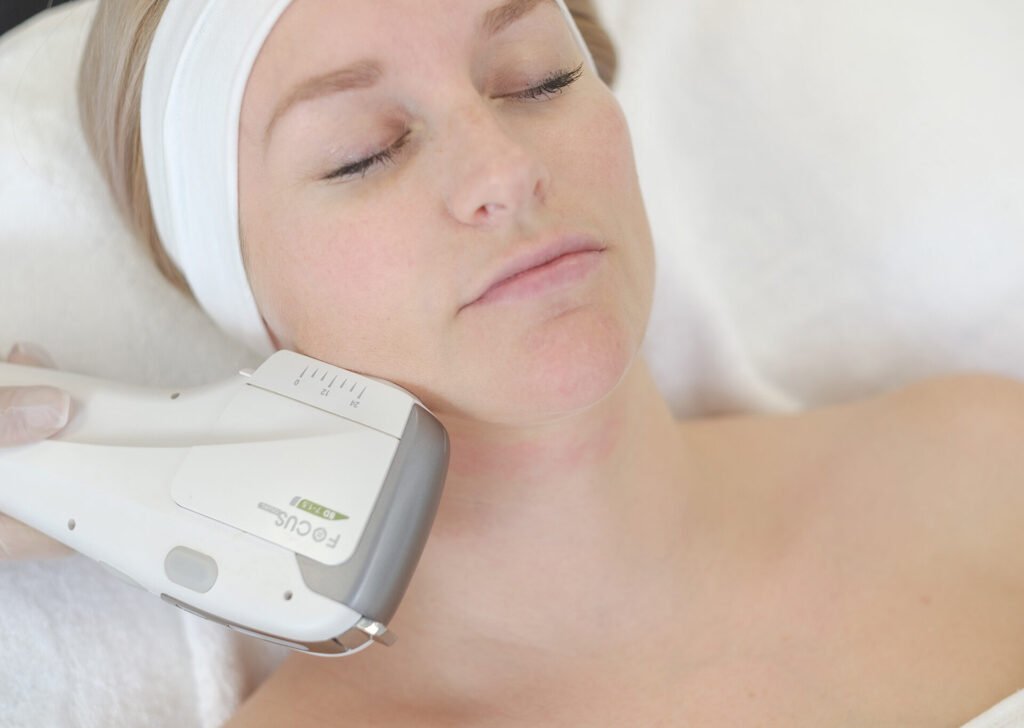
HIFU is a non-surgical aesthetic procedure designed to improve skin firmness by delivering focused ultrasound energy to selected tissue depths. Unlike treatments that primarily work on the skin’s surface, HIFU targets deeper supporting layers associated with structural firmness. The controlled energy stimulates the body’s natural repair response, encouraging collagen production over time.
Collagen is an important protein that provides structure, strength, and elasticity to the skin. As people age, collagen production gradually decreases, contributing to loose skin, less defined facial contours, and the appearance of wrinkles. By stimulating collagen activity, HIFU aims to improve skin support and create a firmer, more lifted appearance.
The treatment may be considered for selected areas of the face, jawline, chin, neck, and other areas where skin laxity is a concern. Suitability depends on individual skin condition, treatment goals, and the degree of tissue laxity.
Loose and Sagging Skin
Loose skin is one of the primary concerns HIFU is designed to address. Ageing, changes in skin structure, and reduced collagen production can cause the skin to lose some of its natural firmness. This may become noticeable around the cheeks, jawline, lower face, and neck.
HIFU targets deeper supporting tissues to encourage collagen remodelling, which may gradually improve the appearance of mild to moderate skin laxity. Rather than physically removing excess skin, the treatment works by supporting the skin’s natural tightening processes.
People with early signs of sagging may be more suitable candidates than those with substantial excess skin. The degree of improvement varies, and HIFU should not be considered a replacement for surgery when significant lifting or skin removal is required.
Reduced Jawline Definition
A less defined jawline can develop as the skin loses firmness and the tissues around the lower face change with age. This may create a softer transition between the face and neck, making the jawline appear less prominent.
HIFU may help improve the appearance of the jawline by supporting tissue firmness in the treated area. As collagen remodelling develops, some individuals may notice a more refined facial outline and improved definition around the lower face.
However, jawline appearance is influenced by several factors, including bone structure, fat distribution, muscle activity, and skin elasticity. HIFU primarily addresses selected concerns related to skin laxity, so it may not significantly change facial fullness caused by other factors.
Fine Lines and Wrinkles
Fine lines and wrinkles are common signs of ageing that develop as collagen levels decrease and the skin gradually loses elasticity. Repeated facial movements, environmental exposure, and natural changes in skin structure can contribute to their appearance.
HIFU may support improvements in the appearance of certain fine lines by encouraging collagen production in the underlying tissue. Firmer skin can appear smoother, particularly in areas where early laxity contributes to visible lines.
The treatment is not designed to eliminate every type of wrinkle. Deep expression lines and wrinkles caused mainly by repeated muscle movements may require a different approach. Results also depend on wrinkle depth, skin quality, and the treatment area.
Mild Skin Laxity Around the Neck
The neck can show visible signs of ageing as the skin becomes thinner and loses some of its natural support. Mild looseness beneath the chin and along the neck may affect the overall appearance of the lower face.
HIFU may be used in selected neck areas to support skin tightening and improve the appearance of mild laxity. Focused ultrasound energy stimulates deeper tissue responses that encourage gradual collagen remodelling.
The extent of improvement depends on the amount of loose skin and the underlying anatomy. Significant excess skin or prominent neck bands may not respond adequately to HIFU alone. A professional assessment can help determine whether the treatment is appropriate for the specific concern.
Early Signs of Facial Ageing
Some people notice changes in facial firmness before pronounced wrinkles or sagging develop. The cheeks may appear less lifted, the lower face may lose definition, and the skin may feel less resilient than it did previously.
HIFU may be considered by individuals seeking to address these early changes through a non-surgical approach. By targeting deeper supporting tissues, the procedure aims to encourage natural collagen activity and help maintain a firmer appearance.
It is important to understand that HIFU does not stop the ageing process. Instead, it may help improve selected visible signs of skin laxity. Healthy skin ageing varies from person to person, and treatment decisions should reflect individual needs rather than a particular age.
Mild Skin Looseness Beneath the Chin
The area beneath the chin can develop mild skin looseness that affects the transition between the chin and neck. This concern may become more noticeable as collagen decreases and the supporting tissues change over time.
HIFU may help improve the appearance of loose skin beneath the chin when laxity is an important contributing factor. By stimulating collagen remodelling, the treatment may support a firmer-looking area and a more defined profile.
Nevertheless, fullness beneath the chin can also result from fat distribution, anatomy, or other structural factors. HIFU is not a weight-loss treatment and should not be expected to remove substantial fat or correct every cause of a less defined profile.
Uneven Skin Firmness and Texture
Changes in collagen and elastin can affect the skin’s overall appearance, making certain areas look less firm or smooth. Although HIFU is primarily associated with tightening rather than surface resurfacing, improvements in underlying support may contribute to a more refined appearance in selected cases.
The treatment does not directly address every form of uneven texture. Concerns such as prominent acne scars, pigmentation, enlarged pores, and rough surface patches may require other treatments designed specifically for those issues.
Understanding the difference between skin laxity and surface texture is essential when choosing an appropriate procedure. A qualified professional can evaluate the main cause of the concern and recommend a suitable treatment approach.
What Results Can Be Expected From HIFU?
HIFU results generally develop gradually rather than appearing immediately. The ultrasound energy stimulates a natural collagen response, and the skin may become firmer as this process continues. Some individuals notice early changes, while more visible improvements may take several weeks to a few months.
The final outcome depends on the treatment area, the degree of skin laxity, age-related tissue changes, and the body’s individual response. Not everyone experiences the same level of improvement, and results are not permanent because the skin continues to age naturally.
A professional consultation helps establish realistic expectations and clarify which concerns are likely to respond. It also provides an opportunity to discuss whether HIFU alone is appropriate or whether another treatment may better address the desired outcome.
Who May Be Suitable for HIFU Treatment?
HIFU may be suitable for adults who have mild to moderate skin laxity and want to improve firmness without undergoing surgery. Individuals with early changes around the cheeks, jawline, chin, or neck may wish to explore whether the procedure matches their goals.
Suitability depends on skin condition, medical history, the intended treatment area, and the presence of any factors that may affect treatment planning. HIFU may be less effective when significant excess skin or advanced tissue changes are present.
A qualified practitioner should assess the treatment area and explain expected benefits, limitations, and any relevant precautions before proceeding. This assessment helps ensure that the selected approach is appropriate for the individual’s needs.
Conclusion
HIFU can help address selected skin concerns associated with reduced collagen production and mild to moderate skin laxity. These may include sagging around the lower face, reduced jawline definition, fine lines related to loss of firmness, mild neck laxity, and looseness beneath the chin. Its primary purpose is to stimulate deeper tissue responses that support gradual skin tightening rather than remove excess skin or treat every surface-level concern. Understanding its capabilities and limitations is essential when considering treatment. An individual assessment can help determine whether HIFU is suitable and what level of improvement may reasonably be expected.
Frequently Asked Questions
What skin concerns can HIFU treatment help address?
HIFU may help improve mild to moderate skin laxity, reduced jawline definition, early signs of facial ageing, selected fine lines, and looseness around the neck or beneath the chin.
Can HIFU help tighten sagging skin?
Yes, HIFU is designed to stimulate collagen production in deeper supporting tissues, which may gradually improve skin firmness. Results depend on the severity of sagging and individual skin characteristics.
Can HIFU improve the appearance of wrinkles?
HIFU may improve some fine lines associated with reduced skin firmness. However, it is not intended to eliminate all wrinkles, particularly deep expression lines caused by repeated muscle movements.
Is HIFU suitable for improving jawline definition?
HIFU may help refine the appearance of the jawline when mild skin laxity contributes to reduced definition. It may be less effective when the concern is primarily caused by fat distribution or bone structure.
How long does it take to see HIFU results?
Improvements generally develop over several weeks to a few months as collagen remodelling progresses. The timing and degree of visible change vary between individuals.
Can HIFU remove excess skin?
No, HIFU does not remove excess skin. It may improve firmness in selected areas, but substantial skin laxity may require a different treatment approach.
Does HIFU treat pigmentation and acne scars?
HIFU is primarily intended for skin tightening and is not a targeted treatment for pigmentation or acne scars. Other procedures may be more appropriate for these surface-level concerns.
Is HIFU a permanent skin-tightening treatment?
No, the results are not permanent. Natural ageing continues after treatment, and the duration of improvement varies according to individual characteristics and the treatment plan.