Introduction
Hair loss can affect a person’s appearance, confidence, and overall satisfaction with their hair. Modern hair restoration techniques offer different approaches to improving hair density and creating a natural-looking hairline. These procedures focus on transferring healthy hair follicles from areas with sufficient growth to regions experiencing thinning or hair loss. People considering Hair transplant in Abu Dhabi can explore several advanced techniques designed to support natural hair growth while considering individual hair characteristics, scalp condition, and long-term restoration goals. Understanding the available methods helps individuals make informed decisions about which approach may suit their needs.
Understanding Modern Hair Transplant Procedures
Modern hair transplantation involves moving hair follicles from a donor area, usually the back or sides of the scalp, to areas affected by hair loss. The transplanted follicles are selected and positioned to support natural-looking growth and appropriate hair distribution. The procedure requires careful planning, attention to follicle preservation, and an understanding of natural hair growth patterns.
Advancements in hair restoration have improved the precision of follicle extraction, preparation, and placement. Modern techniques aim to create a balanced hairline, maintain suitable hair density, and achieve results that complement the individual’s facial features. The choice of procedure depends on the extent of hair loss, the availability of donor hair, hair texture, and the desired outcome.
Follicular Unit Transplantation (FUT)
Follicular Unit Transplantation, commonly known as FUT, is a traditional hair restoration technique that remains relevant for selected individuals. This method involves removing a narrow strip of scalp tissue from the donor area. The tissue is then carefully divided into smaller follicular units containing naturally grouped hair follicles.
Once the follicular units have been prepared, they are placed into tiny openings in the recipient area. The placement process considers the direction, angle, and distribution of existing hair to create a natural appearance. FUT can be suitable for individuals who require a substantial number of grafts and have an appropriate donor area.
One characteristic of this technique is that it generally leaves a linear scar in the donor region. The suitability of FUT depends on individual preferences, scalp characteristics, hair length, and the overall restoration plan. A detailed assessment helps determine whether this method aligns with the person’s expectations.
Follicular Unit Extraction (FUE)
Follicular Unit Extraction, or FUE, is a widely used modern hair transplant technique. Instead of removing a strip of scalp tissue, this method involves extracting individual follicular units directly from the donor area using specialised instruments. The collected follicles are then prepared and implanted into areas where additional hair growth is desired.
FUE allows the extraction sites to be distributed across the donor area, resulting in small marks rather than the linear scar associated with FUT. The technique requires careful spacing during extraction to preserve the appearance and density of the donor region.
FUE is often considered by individuals who prefer shorter hairstyles or want to avoid a linear donor scar. However, the number of available grafts, hair characteristics, and the condition of the donor area influence its suitability. Precise extraction and placement are essential for supporting natural-looking results.
Direct Hair Implantation (DHI)
Direct Hair Implantation, commonly called DHI, is an approach to hair transplantation that uses a specialised implantation instrument. After follicles are extracted, they are loaded into the device and placed into the recipient area with controlled positioning.
This method allows the placement process to be carefully managed, including the angle, direction, and depth of implantation. These details are particularly important when designing the frontal hairline or restoring areas where existing hair remains.
DHI is often discussed as a variation of the FUE approach because follicle extraction may be performed using FUE principles. The main distinction is the method used to implant the follicles. Whether DHI is appropriate depends on the patient’s scalp, the treatment area, the number of grafts required, and the experience of the clinical team.
Sapphire FUE Technique
Sapphire FUE is a variation of FUE in which sapphire-tipped blades may be used to create recipient sites. These instruments are designed to provide precise openings for follicle placement. The technique follows the same general principle of extracting individual follicles before implanting them into the target area.
The objective is to create openings that support appropriate graft placement and a natural distribution of hair. The angle and direction of each opening must correspond to the surrounding hair growth pattern.
Although sapphire instruments are used in some modern procedures, the material of the blade alone does not guarantee superior results. Planning, surgical technique, donor hair quality, and careful graft handling remain important factors in the overall outcome.
Robotic-Assisted Hair Transplantation
Robotic-assisted hair transplantation uses specialised technology to support selected stages of the hair restoration process. Depending on the system, robotic equipment may assist with identifying, selecting, or extracting follicular units from the donor area.
The technology can help standardise certain movements and support precision during extraction. However, its capabilities vary between systems, and it does not eliminate the need for professional assessment, treatment planning, or careful graft placement.
Robotic assistance is not necessary for every patient. The suitability of this approach depends on the individual’s hair characteristics, the available technology, and the procedure being considered. Human expertise remains important for designing a natural hairline and ensuring that the donor area is managed appropriately.
Choosing the Right Hair Transplant Technique
Selecting a suitable hair transplant method requires an individual assessment rather than relying on the popularity of a particular technique. The extent of hair loss, the thickness and texture of existing hair, donor hair availability, and the size of the recipient area all influence the decision.
A natural-looking result depends on more than the extraction method. The hairline must be designed according to facial proportions, age-related changes, and the expected progression of hair loss. Follicles also need to be positioned in a way that reflects natural hair growth patterns.
People exploring hair restoration should discuss their goals, medical history, scalp condition, and long-term expectations during a professional consultation. This process helps establish whether transplantation is appropriate and which technique may offer the most suitable approach.
What to Expect During a Modern Hair Transplant
The process generally begins with an assessment of the scalp, donor hair, and areas affected by hair loss. The treatment plan is developed according to the number of grafts required and the intended distribution of transplanted follicles.
During the procedure, the donor area is prepared, and follicles are extracted using the selected method. The grafts are then examined and prepared before being placed into the recipient area. Careful handling is important because follicular units must remain suitable for transplantation throughout the process.
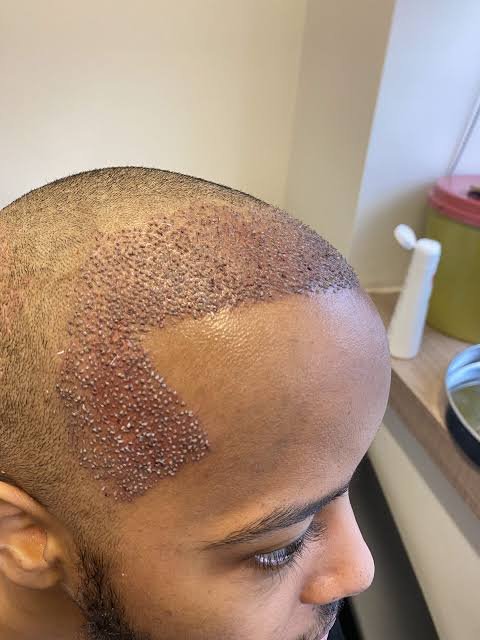
Following the procedure, the scalp requires time to recover, and transplanted hair may pass through different growth stages. Initial shedding of transplanted hair can occur before new growth develops. Visible improvement usually takes several months, while the fuller outcome may take approximately twelve months or longer, depending on the individual and the area treated.
Factors That Influence Hair Transplant Results
Several factors contribute to the outcome of hair restoration. Donor hair density determines how many suitable follicles may be available, while hair thickness, curl pattern, and colour contrast can influence the appearance of coverage.
The design of the hairline and the placement of grafts also affect how natural the result looks. Appropriate spacing and direction help the transplanted hair blend with existing growth. Individual hair loss patterns and future thinning must also be considered when developing a long-term plan.
Following post-procedure instructions and attending recommended follow-up appointments support appropriate recovery and monitoring. Expectations should remain realistic because transplantation redistributes existing follicles rather than creating an unlimited supply of new hair.
Conclusion
Modern hair transplant procedures include FUT, FUE, DHI, Sapphire FUE, and robotic-assisted approaches. Each method has different characteristics, and the most appropriate option depends on individual hair loss patterns, donor hair availability, scalp condition, and restoration goals. Careful planning, precise follicle handling, and natural hairline design are central to achieving balanced results. Understanding these techniques helps individuals approach hair restoration with clearer expectations and make informed decisions about their options.
Frequently Asked Questions
What is the most common modern hair transplant technique?
FUE is widely used because it involves extracting individual follicular units rather than removing a strip of scalp tissue. Its suitability depends on the individual’s donor area and restoration requirements.
What is the difference between FUE and FUT?
FUE involves extracting individual follicular units, while FUT involves removing a strip of scalp tissue that is divided into smaller grafts. Both techniques can support hair restoration, but their extraction methods and resulting donor-area scars differ.
Is DHI different from FUE?
DHI generally uses a specialised implantation instrument to place extracted follicles. FUE describes the extraction method, so DHI may use FUE for harvesting before implantation.
How long does it take to see hair transplant results?
Early changes develop over several months as transplanted hair progresses through its growth cycle. Noticeable improvement often takes six to twelve months, while some individuals may require longer to assess the final outcome.
Can a hair transplant create a natural-looking hairline?
A natural-looking hairline can be achieved through careful planning, appropriate graft selection, and attention to the direction and angle of hair growth. Results depend on individual characteristics and the quality of the procedure.
Who may be suitable for a hair transplant?
Individuals with suitable donor hair and hair loss patterns that can be addressed through transplantation may be candidates. A professional assessment is necessary to determine suitability and establish realistic expectations.
Does every hair transplant technique provide the same results?
No. Techniques differ in how follicles are extracted and implanted, and individual results vary according to donor hair quality, scalp characteristics, treatment planning, and graft handling. The most appropriate method depends on the person’s specific needs.