It usually starts small. The shower drains a little slower than it used to, or the kitchen sink gurgles after the dishwasher runs. Then one winter morning, water backs up into the basement floor drain, and a minor annoyance becomes an urgent problem.
For homeowners in the foothills, drain cleaning and repairs in Conifer CO come with their own set of challenges. Mountain terrain, freezing temperatures, mature trees, and a mix of older cabins and newer builds all affect how plumbing systems age. Knowing what’s happening beneath the floor can save a lot of stress and money.
Why Mountain Homes Face Unique Drain Problems
Drains in Conifer don’t behave exactly like drains in a Denver suburb. Many homes in the area rely on septic systems instead of a municipal sewer. That means the main drain line runs to a tank on the property, and any blockage along the way stays the owner’s responsibility.
Tree roots are another common culprit. Ponderosa pines and aspens send roots deep in search of water. Even a hairline crack in a sewer line can draw them in, and over time those roots can fill a pipe almost completely.
Cold weather adds more pressure. Pipes that run through shallow soil or unheated crawl spaces can freeze, shift, or crack. When the ground thaws in spring, soil movement can cause pipe joints to separate or sag.
Then there’s the age of the housing. Plenty of mountain cabins were built decades ago with cast iron, clay, or even Orangeburg pipe. These materials weren’t designed to last forever, and many are now showing signs of wear.
How Drain Cleaning Actually Works
Not every clog needs the same fix. A slow bathroom sink is often caused by hair and soap scum close to the drain opening. A simple hand auger or cleaning out the trap usually handles it.
Main line clogs are a different story. When several fixtures back up at once, or water rises in a tub when the toilet flushes, the problem is likely deeper in the system. Professionals typically use motorized drain snakes or cable machines to cut through blockages in these cases.
Hydro jetting has become a popular option for tougher buildup. It uses high-pressure water to scour the inside of a pipe, clearing grease, scale, and small roots. Unlike a snake, which punches a hole through a clog, jetting cleans the full width of the pipe wall.
Hard water also plays a role in the region. Mineral deposits can slowly narrow pipes from the inside, especially in homes on private wells. Regular cleaning helps keep that scale from building into a full blockage.
When Cleaning Isn’t Enough
Sometimes a drain clears, only to clog again a few weeks later. That pattern is often a sign of a structural issue rather than a simple buildup. Broken pipes, offset joints, and low spots called “bellies” let waste collect in the same place over and over.
This is where repairs come in. Traditional repairs involve digging down to the damaged section and replacing it. On rocky mountain lots, that can mean heavy equipment, damaged landscaping, and a higher bill.
Trenchless methods have changed that picture. Pipe lining inserts a resin-coated sleeve into the existing pipe, which hardens to form a new pipe inside the old one. Pipe bursting pulls a new line through while breaking apart the old one. Both options reduce digging, which matters a lot on steep or rocky properties.
The Role of Camera Inspections
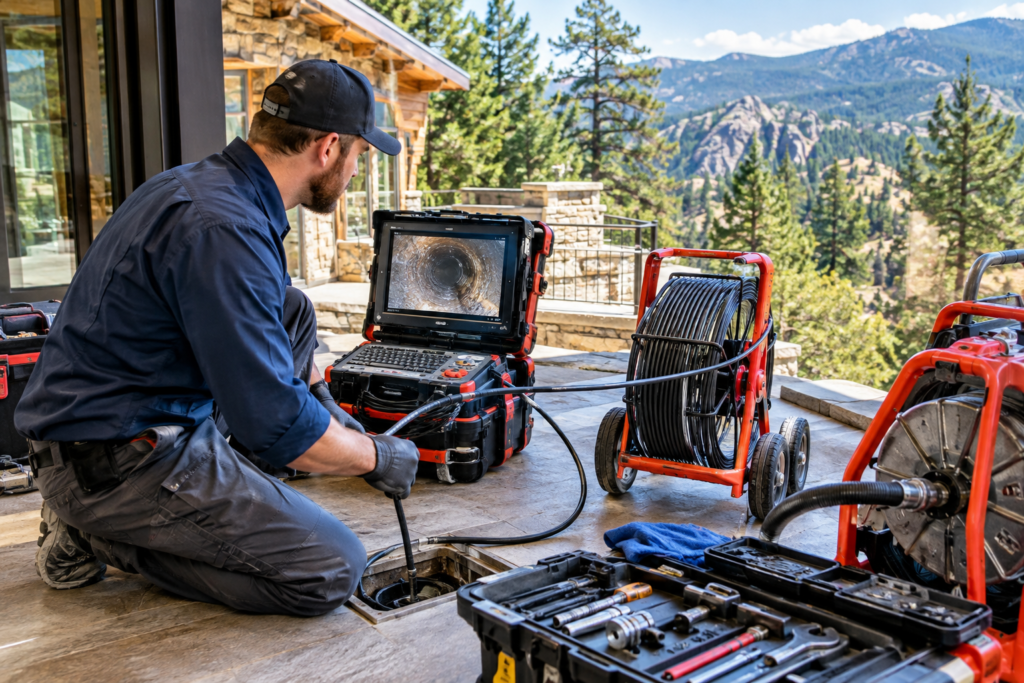
Guessing at what’s wrong underground rarely ends well. That’s why video inspection services in Conifer CO have become a standard part of diagnosing drain problems. A small waterproof camera on a flexible cable travels through the pipe and sends live footage to a monitor.
The camera shows exactly what’s happening inside. Technicians can spot root intrusion, cracks, corrosion, grease buildup, or a collapsed section. Many systems also include a locator that pinpoints the problem’s depth and position from above ground.
This information helps homeowners make better decisions. Instead of replacing an entire line, they may only need a spot repair. Or they may learn that a pipe is in decent shape and just needs a good cleaning.
The Real Benefits of Staying Ahead of Drain Issues
Routine maintenance tends to cost far less than emergency repairs. A scheduled cleaning on a calm weekday is easier on the budget than a midnight call during a snowstorm. It also gives homeowners time to plan for bigger repairs instead of reacting in a panic.
Healthy drains also protect septic systems. When solids and grease move properly through the line, the tank and drain field work as intended. Neglected lines can push problems downstream, and septic field repairs are rarely cheap.
There’s also the matter of home value. Buyers in mountain communities are increasingly asking for sewer line inspections before closing. A well-documented maintenance history can make a sale smoother and prevent last-minute negotiations.
Finally, there’s simple peace of mind. Knowing the condition of a home’s plumbing takes away the guesswork. Families can stop worrying every time a drain gurgles.
Everyday Situations Homeowners Run Into
Consider a couple who buys a 1970s cabin off Highway 285. The home inspection looks fine, but within a year, the basement drain backs up twice. A camera inspection reveals pine roots growing through a joint in the old clay pipe about 30 feet from the house. A targeted repair solves it without tearing up the entire yard.
Or picture a family hosting relatives over the holidays. More showers, more laundry, and more cooking put extra strain on the system. Grease poured down the kitchen sink hardens in the cold pipe, and by the weekend the sink won’t drain at all. A professional cleaning clears it, along with a reminder to toss grease in the trash instead.
Short-term rental owners face their own version of this. Guests often flush wipes or other items that don’t break down. Owners who schedule regular checkups tend to avoid surprise shutdowns during busy booking seasons.
Then there’s the classic spring thaw scenario. A homeowner notices soggy ground and a faint odor near the septic line. Using video inspection services in Conifer CO, a technician finds a separated joint caused by shifting soil. Catching it early prevents wastewater from seeping into the yard.
Choosing the Right Help
When it comes to drain cleaning and repairs in Conifer CO, homeowners generally benefit from working with technicians who understand mountain plumbing. Familiarity with septic systems, frozen lines, and rocky soil makes a real difference in how problems get solved.
It’s worth asking whether a company uses camera inspections before recommending major work. Clear explanations, recorded footage, and upfront options are good signs. Local providers such as Colorado Drainmaster are among those serving the area, though homeowners should always compare a few options and choose what fits their situation.
Small habits also go a long way. Using drain screens, keeping grease out of sinks, avoiding “flushable” wipes, and scheduling periodic inspections can keep drains flowing for years.
Frequently Asked Questions
How often should drains be professionally cleaned?
Most homes benefit from a main line cleaning every one to two years. Homes with large trees nearby, older pipes, or heavy use may need it more often.
What causes recurring clogs in the same drain?
Repeated clogs usually point to a deeper issue, such as tree roots, a sagging pipe, or a crack. A camera inspection can help find the exact cause.
Is hydro jetting safe for older pipes?
It’s safe for most pipes in good condition. However, badly corroded or cracked lines may need an inspection first to avoid causing further damage.
How long does a sewer camera inspection take?
A typical inspection takes about 30 minutes to an hour. The time depends on the length of the line and how easy it is to access.
Can tree roots really break through sewer pipes?
Yes. Roots are drawn to moisture and can enter through tiny cracks or loose joints. Once inside, they grow quickly and can cause serious blockages.