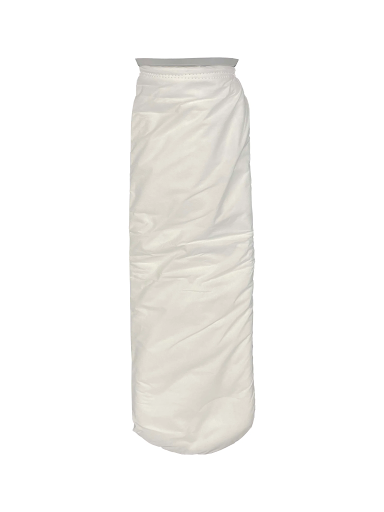
Most filter housings sit vertical and nobody questions it. Horizontal high flow cartridge designs flip that. They handle bigger volumes without the usual pressure drop headaches. I’ve watched shops switch and then wonder why they waited so long. The change isn’t flashy. It just works better day to day, especially when you’re dealing with dirty fluids that load filters fast.
Flow Capacity Goes Up Without the Usual Restriction
Vertical cartridges can choke when you push high volumes through them. Horizontal layout spreads the media out different. More surface area faces the flow. You get higher throughput before the differential pressure starts climbing. That matters on systems that need steady flow all shift. Pumps don’t have to fight as hard. Heat stays lower. The fluid keeps moving the way it’s supposed to. I’ve seen pressure gauges settle down after a swap and stay that way for weeks.
Changeouts Get Quicker and Less Messy
Pulling a vertical stack can turn into a wrestling match. Horizontal designs usually slide out easier. One person can handle it without special tools or a second set of hands. Less time with the system down. Less fluid spilled on the floor. In a busy shop that difference adds up. Operators stop dreading the filter change. Maintenance guys stop putting it off because it’s a pain. The whole process just feels less like a chore.
Dirt Holding Capacity Improves in Practice
More usable media means the cartridge grabs more junk before it loads solid. You don’t hit bypass as quick. Service intervals stretch. That extra capacity shows up when the fluid is especially dirty, like in heavy machining. The element keeps working longer instead of plugging early. I’ve pulled cartridges that still had life left when the old vertical ones would have been dead already. Real world difference, not just brochure talk.
Layout Flexibility Helps in Tight Spaces
Horizontal orientation fits under machines or along walls where a tall vertical unit won’t. Shops that are already crowded appreciate that. You can tuck the housing where it makes sense for piping instead of forcing everything around a tall canister. Installation gets simpler. Future maintenance stays accessible. Not every plant has unlimited headroom. These designs give you options the older style doesn’t.
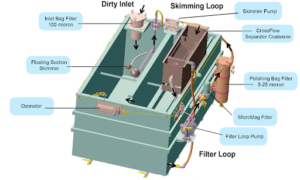
Cutting Oil Filtration Systems See Real Gains
A lot of shops run cutting oil filtration systems that need high volume throughput to keep tools happy and finishes clean. Horizontal high flow cartridges handle the flow without starving the system or spiking pressure. Coolant stays cleaner longer. Tool life improves because the fluid isn’t restricted or full of bypassed particles. When the filter can keep up with the demand the whole cutting oil side runs smoother. I’ve watched shops cut their coolant-related downtime after making the switch. The two systems play nicer together when the filter side isn’t the bottleneck.
Operating Costs Drop Over Time
Fewer changeouts mean less labor and fewer replacement elements. Lower pressure drop means the pumps run easier and use less energy. Less bypass means the fluid stays cleaner so downstream components last longer. Add it up and the horizontal setup pays for itself. The upfront cost might look higher on paper. The monthly numbers tell a different story. Shops that track their filter spend usually notice the difference within a couple quarters.
Bypass Events Happen Less Often
When the cartridge holds more and flows better the differential pressure stays in a safer range longer. Bypass valves don’t open as quick. That means less unfiltered fluid sneaking downstream. Critical components stay protected. You avoid the sudden contamination spikes that wreck pumps and valves. Consistency matters more than people admit. These designs give you that consistency without constant babysitting.
Service Life Matches the Real Workload Better
Standard vertical filters often get changed on a calendar instead of actual loading. Horizontal high flow cartridges last closer to their rated capacity because the media is used more evenly. You get the life the manufacturer claimed instead of cutting it short. That reliability lets you plan maintenance instead of reacting to sudden pressure alarms. Shops that run continuous or near-continuous operations feel this benefit the most. The filter stops being the weak link.
Conclusion
Horizontal high flow cartridge designs aren’t some fancy upgrade that only looks good in a catalog. They deliver higher flow with less restriction, easier changeouts, better dirt holding, and lower long-term costs. They fit tight spaces and play well with cutting oil filtration systems that need steady clean fluid. Bypass happens less. Service intervals stretch. The system just runs more predictable. Most of the gains show up in the daily grind, not in some dramatic overnight change. If your current setup is fighting flow or loading too fast, looking at the horizontal option is worth the time. It’s one of those practical moves that pays off without needing a big speech to justify it.
FAQs
What makes horizontal high flow filter cartridges different from the usual vertical ones?
The orientation and media layout let them handle higher volumes with lower pressure drop. Changeouts are usually simpler and the dirt holding capacity tends to stretch further in real use.
Can these designs work well with cutting oil filtration systems?
Yes. They keep up with the high flow demands common in cutting oil setups. That helps maintain cleaner fluid longer and protects tool life and surface quality.
Do horizontal high flow filter cartridges really cut operating costs?
Over time yes. Fewer changeouts, less energy used by the pumps, and better protection of downstream parts all add up. The savings show in labor and replacement frequency more than in the initial price tag.
How often do you typically change a horizontal high flow filter cartridge?
It depends on the dirt load, but many shops see longer intervals than with standard vertical elements because the media is used more evenly and holds more before pressure climbs.
Is installation more complicated with the horizontal style?
Usually the opposite. They fit in lower or tighter spaces and the piping can be simpler. Once it’s in, day-to-day service is often easier than climbing around a tall vertical housing.