Modern businesses rely on computers to manage daily operations, communicate with teams, and access important information. However, not every workplace provides a clean and comfortable office environment. Professionals working in construction, manufacturing, logistics, engineering, and field services often face dust, moisture, vibration, and accidental drops that can damage standard laptops.
A Rugged laptop is designed to handle these challenging working conditions while helping professionals stay productive. With durable construction and practical features, it can be a valuable investment for businesses that need dependable computing equipment in demanding environments.
What Is a Rugged Laptop?
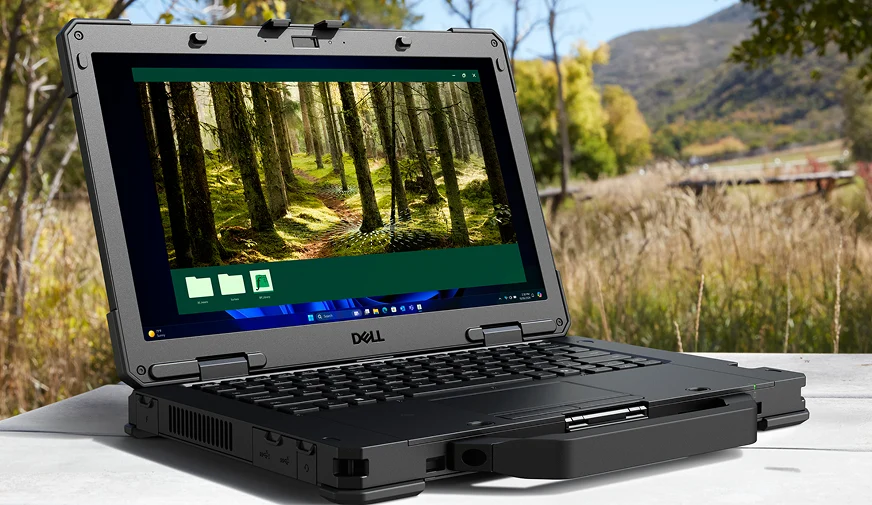
A rugged laptop is a computer designed to withstand harsher conditions than a typical consumer laptop. Depending on its design and protection rating, it may offer resistance to dust, water exposure, vibration, and accidental impacts.
These laptops are commonly used by field technicians, engineers, military personnel, warehouse operators, and emergency response teams. They allow employees to access software, update records, communicate with colleagues, and complete important tasks outside traditional office settings.
Unlike standard laptops, rugged models often feature reinforced chassis designs, protected ports, sturdy hinges, and displays developed for professional use. However, protection levels vary between models, so checking the manufacturer’s specifications is essential.
Key Features of a Rugged Laptop
Durable Construction
Durability is one of the main reasons businesses choose rugged computing equipment. A rugged laptop may feature reinforced materials and protective components designed to handle the physical demands of everyday fieldwork.
This construction can help reduce the likelihood of damage from minor impacts and workplace vibration. For employees who frequently transport their computers between sites, vehicles, and warehouses, durability can make a meaningful difference.
Protection Against Dust and Moisture
Dust and moisture can cause problems for electronic equipment, particularly in industrial and outdoor environments. Many rugged laptops offer tested protection against specific levels of dust and water exposure.
This makes them useful for construction sites, workshops, manufacturing facilities, and outdoor maintenance operations. Buyers should review the device’s IP rating and operating limitations because not every rugged laptop provides the same level of protection.
High-Visibility Display
Outdoor workers often need to use their computers in direct sunlight or changing lighting conditions. Some rugged laptops feature bright displays designed to improve readability in these situations.
This feature can help technicians review equipment manuals, inspect digital drawings, update service records, and access important data without constantly searching for shade.
Touchscreen options may also be available on selected models, allowing users to interact with applications more conveniently.
Reliable Performance
A rugged laptop should offer enough processing power, memory, and storage to support the software used by the business.
Depending on the configuration, these computers can handle tasks such as data entry, technical documentation, inventory management, diagnostics, and business applications.
Before purchasing, consider the processor, RAM, storage capacity, operating system, and compatibility with existing workplace software. Choosing specifications based on actual requirements can help businesses avoid unnecessary costs.
Long Battery Life
Employees working in remote locations may not always have access to charging points. Battery performance is therefore an important consideration when selecting a rugged laptop.
Some models offer extended battery options or replaceable batteries, depending on the design. These features can help support longer shifts and mobile working arrangements.
Actual battery life depends on workload, screen brightness, battery condition, and configuration, so it is worth checking independent testing or manufacturer estimates before making a decision.
Who Needs a Rugged Laptop?
Construction and Engineering Professionals
Construction teams need portable access to plans, project schedules, inspection records, and technical documents. A durable computer can help them work more confidently in demanding site conditions.
Engineers can also use rugged laptops to review measurements, manage technical files, and support maintenance activities.
Manufacturing and Industrial Businesses
Manufacturing facilities often involve dust, vibration, machinery, and frequent movement between work areas. Rugged computers can help employees access production data, monitor processes, and update maintenance records.
The appropriate protection level should always match the specific workplace environment.
Logistics and Warehousing
Warehouse and logistics employees may use computers to track inventory, manage shipments, and update delivery information. A rugged design can be beneficial when equipment is frequently transported or used in busy operational areas.
Field Service Technicians
Technicians who install, repair, or maintain equipment often need access to service manuals and diagnostic applications while travelling between customer locations.
A rugged laptop provides a practical way to access information and complete reports without depending on a traditional office setup.
Military and Public Safety
Military personnel and public safety teams may require computing equipment that can operate in challenging field conditions. Specialised rugged laptops can support communication, documentation, mapping, and operational planning, depending on their specifications and approved configurations.
Benefits of Investing in a Rugged Laptop
Choosing the right rugged computer can provide several long-term advantages. Its durable construction may reduce damage-related downtime and the need for frequent repairs. Reliable access to business applications can also help employees complete tasks more efficiently.
Although rugged laptops can cost more initially than standard models, businesses should consider the total cost of ownership. Repair expenses, replacement frequency, lost productivity, and warranty coverage can all affect the overall value of a purchase.
The best option is not necessarily the most expensive device. It is the one that provides suitable protection and performance for the intended working environment.
How to Choose the Right Rugged Laptop
Before buying, identify the conditions in which the computer will be used. Consider whether employees need protection against dust, moisture, drops, vibration, or extreme temperatures.
Next, compare performance specifications, display brightness, battery options, connectivity, weight, and available ports. If the laptop will be used inside a vehicle or connected to specialised equipment, check compatibility with mounting systems and accessories.
It is also important to review warranty terms, repair support, replacement parts, and the availability of technical assistance. These factors can influence how effectively a device serves your business over time.
Conclusion
A rugged laptop is a practical computing solution for professionals who work outside conventional office environments. Durable construction, workplace-focused features, and suitable performance can help businesses manage demanding tasks while reducing avoidable interruptions.
Whether you work in construction, manufacturing, logistics, engineering, or field services, selecting the right model requires careful consideration of your working conditions and technical needs. By comparing protection ratings, specifications, battery options, and long-term support, you can find a rugged laptop that supports productivity and delivers dependable value.