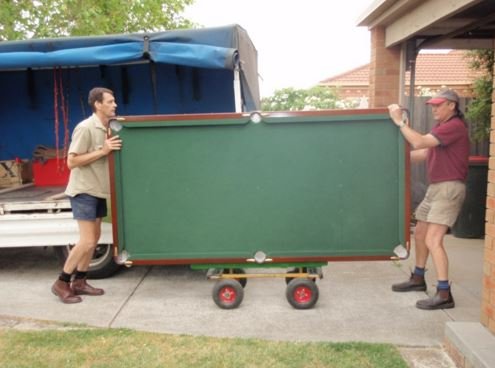
A pool table looks sturdy until someone tries to lift one end. The slate alone can weigh 400 pounds or more, and one wrong turn on a staircase can crack it beyond repair. Idaho Premier Moving has seen enough damaged tables to know that cheap shortcuts usually cost more than the original move. Below is a step by step guide to Affordable Pool Table moving in Boise ID that protects both the table and the wallet, written from the perspective of crews who do this every week.
Why Pool Tables Need Special Handling
The Slate Is the Whole Game
Almost everything else on a pool table can be replaced. The slate bed cannot be repaired once it cracks, and a replacement slate often costs more than the table itself. Three-piece slates are more forgiving during a move, but single-slab versions demand precise handling and a flat surface at every step. That single fact dictates how every other part of the move should be planned.
Felt, Rails, and Pockets Add Up
Felt tears easily and cannot be stretched back into shape once it wrinkles. Rails chip, pockets crack, and leveling shims get lost in transit far more often than owners expect. Proper wrapping and careful disassembly keep those small parts intact, which is the difference between a table that plays the same way and one that never feels right again.
Step 1 – Reading the Table Before Any Bolt Turns
Identify the Slate Type First
Before touching a single screw, confirm whether the table has a one-piece, two-piece, or three-piece slate. The number changes the entire approach. Three-piece slates come apart into manageable sections, while single-slab tables require more bodies and a perfectly flat transport surface. Guessing wrong at this stage is how tables end up broken in a driveway.
Photograph Every Connection
Bolts, brackets, and rail screws should be photographed from multiple angles before removal. Small differences in how the rails sit can affect the final playability, and photos turn a confusing reassembly into a simple puzzle. Bags labeled with the exact location of each set of screws save hours later and prevent the classic lost-bolt scramble.
Clear the Path Before Lifting Anything
Doorways, stairwells, and turns all need measuring before the slate is in someone’s hands. A table that fits the room but not the hallway is a common and expensive surprise. Removing doors and moving furniture ahead of time keeps the move flowing, and it prevents the awkward moment when a heavy slate is stuck at a corner.
Step 2 – Disassembly That Protects the Slate
The Order of Removal Matters
Pockets come off first, then rails, then the felt, and finally the slate. Reversing that order risks damaging the felt or cracking a rail during removal. Each piece should be wrapped and stacked separately, since stacking rails on top of each other creates chips and scratches that show up later on the playing surface.
Slate Handling Is a Two-Person Minimum
Even three-piece slates are heavy enough to injure a single mover. Two people minimum, gloves on, and never lift by the edges alone. The slate should stay flat at every step, and it should never be leaned against a wall or set on an uneven surface. Dropping or bending the slate ends the table’s usefulness in one motion.
Step 3 – Transport and Reassembly
Secure the Load Like It Matters
Slate sections should ride flat, not on edge, and they need padding underneath as well as on top. Rails and pockets fit into a separate padded area, and small hardware stays in labeled bags inside a single tote. A truck that rattles on the highway will rattle the table too, and every bump raises the chance of a hairline crack.
Leveling Is the Final Step Nobody Skips
Once the table is back together, leveling determines whether the balls roll true or drift toward one corner. A digital level across the slate in multiple directions catches unevenness that the eye misses. Shims under the legs handle small adjustments, and the process is repeated until the surface reads flat from every angle. Skipping this step is the most common reason a table “feels off” after a move.
Here is a simple checklist to run through during any pool table relocation:
- Measure every doorway, staircase, and turn before moving day.
- Photograph all connections and bag hardware by location.
- Wrap rails, felt, and pockets separately, never stacked together.
- Keep slate flat at every stage, including loading and unloading.
- Confirm the truck bed is padded and the load is strapped flat.
- Level the table with a digital level once reassembly is complete.
Frequently Asked Questions
How much does it cost to move a pool table locally?
Most local moves fall between $300 and $600 depending on slate type, stair access, and distance. Three-piece slates are typically cheaper to move since they break down easily. Single-slab tables cost more due to the extra crew required. Always request a written quote before booking.
Can a pool table be moved without disassembly?
It can be done, but the risk is high. A fully assembled table is awkward to carry and puts enormous stress on the legs and frame. Disassembly also protects the slate from twisting during transport. Crews that skip this step usually end up repairing damage later.
Do I need a professional to move my pool table?
Strongly recommended for anything with a slate bed. The weight and fragility of the slate make it a poor candidate for a DIY move. Professionals bring straps, padding, and experience with slates specifically. A single cracked slate costs more than the entire move.
How long does a pool table move take?
Most local moves take two to three hours from start to finish. Disassembly and reassembly each take roughly thirty to forty-five minutes. Travel time depends on distance and traffic. Stairs and difficult access add extra time on both ends.
Final Thoughts
Every step above exists for a reason, and skipping any one of them tends to surface as damage on moving day. Slate cracks, torn felt, and lost hardware are all preventable with the right crew, the right tools, and a bit of patience. A reliable Affordable Pool Table moving in Boise ID service handles every phase with care, from the first measurement to the final leveling check. Choose experience over speed, and the table will play exactly as it did before.