An outdoor sign needs to do more than display a business name. It must be positioned correctly, securely attached, easy to see, and suitable for the environment where it will remain. Sign Works helps businesses approach outdoor signage installation as a practical project that requires planning, technical attention, and an understanding of the property.
Choosing professional outdoor sign installation can help businesses avoid common problems associated with incorrect positioning, unsuitable mounting methods, or inadequate preparation. From storefront signs to larger commercial displays, installation requires more than simply placing a finished sign on a building. The property’s structure, surrounding area, visibility, and sign specifications all need to be considered.
Begin With a Site Assessment
Before installation begins, the site should be evaluated carefully. Installers need to understand where the sign will be positioned and what conditions may affect the work.
The building’s exterior material, available mounting points, nearby obstacles, electrical access, pedestrian areas, and vehicle traffic can all influence the installation plan. For freestanding signs, ground conditions and the proposed support structure may also need consideration.
A site assessment gives the installation team an opportunity to identify potential challenges before equipment and materials arrive.
Determine the Best Position
Sign visibility depends heavily on placement. A sign may be beautifully designed but ineffective if it is hidden by landscaping, positioned too high, or difficult to see from approaching traffic.
Businesses should consider the direction from which customers typically approach the property. Visibility from roads, parking areas, sidewalks, and neighboring properties may all be relevant.
The surrounding environment should also be considered. Buildings, trees, utility structures, and other signs can compete for attention or obstruct the intended viewing angle.
Prepare the Mounting Surface
The installation surface plays an important role in the stability of an exterior sign. Different building materials may require different mounting approaches.
Brick, concrete, metal, wood, and other exterior surfaces can have different characteristics. Installers need to select appropriate attachment methods based on the sign’s size, weight, design, and location.
Surface preparation may also be necessary before mounting. Ensuring that the installation area is suitable can help reduce complications during the project.
Account for Weather Conditions
Outdoor signs remain exposed to changing weather throughout the year. Wind, rain, snow, sunlight, temperature fluctuations, and moisture can all affect signage and its mounting components.
Installation methods should therefore take the local environment into account. A sign needs to remain stable under expected conditions, while its materials and components should be appropriate for exterior use.
This is particularly important for larger signs that present greater surface area to wind. Proper planning can help create an installation that is both functional and durable.
Coordinate Electrical Requirements
Some outdoor signs incorporate illumination, which introduces additional installation considerations. Electrical connections, power supplies, wiring routes, and access points may need to be planned alongside the sign itself.
The lighting should also support the sign’s visibility without creating unnecessary glare or distracting nearby properties and road users.
When signage and lighting are planned together, businesses can achieve a more cohesive nighttime presentation while avoiding last-minute electrical complications.
Consider Customer and Employee Access
Installation work often takes place in active commercial environments. Businesses may have customers entering the property, employees working inside, deliveries arriving, and vehicles moving through parking or loading areas.
A professional installation plan should account for these activities. Equipment placement, work zones, access routes, and installation timing can all affect how smoothly the project proceeds.
Good coordination can help reduce disruption while allowing the installation team to complete the work safely and efficiently.
Verify Alignment and Appearance
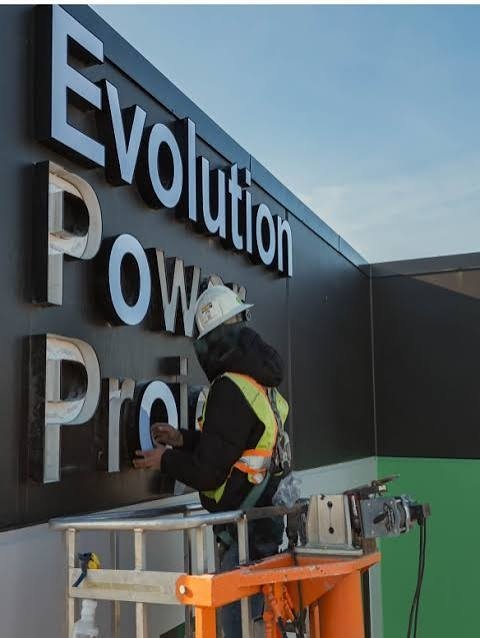
Once a sign has been mounted, its appearance should be checked from the viewpoints that matter most. Installers can verify that the sign is level, properly aligned, securely attached, and visible from the intended locations.
For signs containing multiple elements, accurate positioning is especially important. Logos, lettering, illuminated sections, and other components should work together visually.
This final inspection can help identify small adjustments before the installation is considered complete.
Maintenance Starts With Proper Installation
The quality of installation can influence future maintenance requirements. Secure mounting, suitable components, and appropriate positioning can make it easier to inspect, repair, clean, or service a sign later.
Businesses should also know how to access illuminated signs and other components when maintenance is required. Planning for future servicing can prevent unnecessary complications.
Why Choose Sign Works?
Sign Works provides commercial signage solutions that include outdoor sign installation and related services. Its experience with different sign types allows businesses to approach installation with attention to the property’s requirements and the practical conditions surrounding the project.
A professional provider can coordinate the stages of the project and help businesses move from signage concept to completed installation with fewer unnecessary complications.
Final Thoughts
Outdoor signage installation requires careful planning from the initial site assessment through final inspection. Placement, mounting surfaces, weather exposure, electrical requirements, accessibility, and long-term maintenance can all influence the performance of a finished sign.
For businesses considering professional outdoor sign installation, choosing an experienced provider can help ensure the sign is positioned effectively, installed securely, and suited to its commercial environment. A properly installed outdoor sign can provide reliable identification and visibility while becoming a lasting part of a property’s exterior presence.