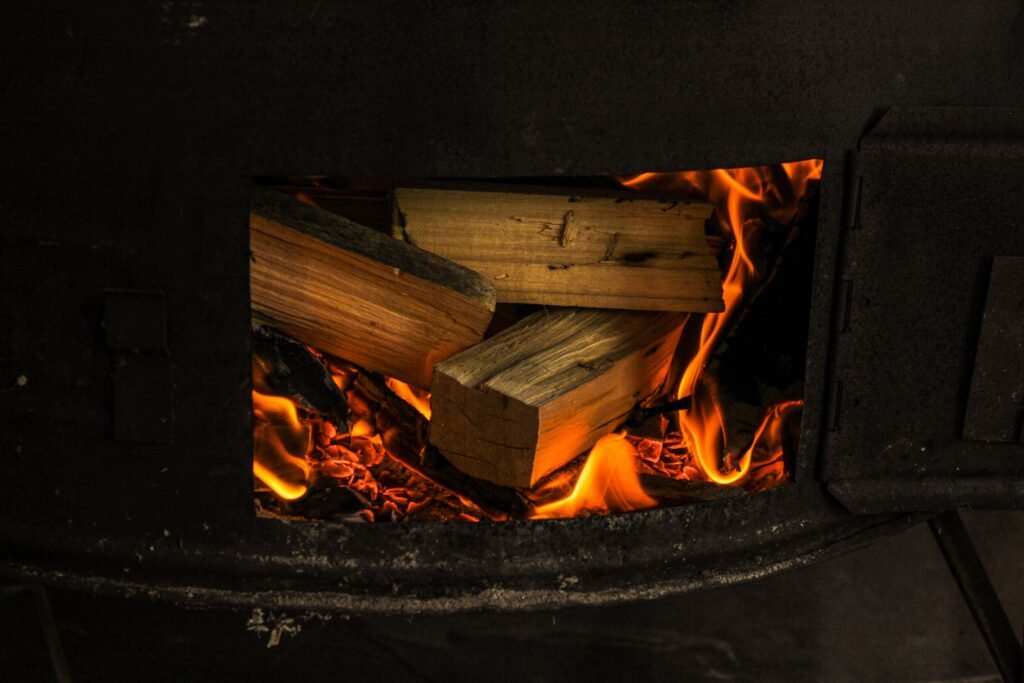
A wood stove can bring warmth and comfort to a home, but the stove itself is only one part of a safe and effective heating system. The flue or stove pipe is equally important because it carries smoke and combustion gases safely away from the living area. Choosing the right Stove pipe for wood stove Brisbane homes therefore requires careful consideration of the appliance, installation requirements, roof structure, and local conditions.
Whether you are installing a new wood heater or replacing an existing flue system, using suitable components and professional installation can help your wood stove operate safely and efficiently.
What Is a Stove Pipe?
A stove pipe, commonly referred to as part of the flue system, connects the wood-burning appliance to the chimney or flue that carries combustion gases outside.
The pipe needs to be suitable for the temperatures produced by the wood heater. It also needs to be installed correctly to maintain appropriate clearances from combustible building materials.
Different wood heaters can require different flue configurations, so it is important to check the appliance manufacturer’s installation instructions before purchasing components.
Why Is the Right Stove Pipe Important?
The flue plays an essential role in the operation of a wood heater. A properly designed and installed system helps direct smoke and combustion gases outside rather than allowing them to enter the home.
The correct flue arrangement can also support proper airflow through the appliance. Poorly selected or incorrectly installed components may affect the performance of the heater and can create safety concerns.
For this reason, choosing a stove pipe for wood stove Brisbane installations should be treated as an important part of the overall heating project rather than simply purchasing a length of pipe.
Consider the Size of Your Wood Stove
One of the first things to check is the flue size specified for your particular wood heater. The diameter and configuration should match the manufacturer’s requirements.
Using an unsuitable pipe size can affect how the heater draws air and how combustion gases move through the flue system.
Before purchasing, check the manufacturer’s documentation and confirm that all components are compatible with the specific appliance.
Flue Height Matters in Brisbane
Flue height is another important consideration. Brisbane City Council’s guidance states that a wood-heater flue should have a minimum height of 4.6 metres above the floor on which the heater is located. The guidance also includes requirements concerning roof penetration and the height of the flue relative to nearby roof structures.
The position of the flue can also affect neighbouring properties. A suitable installation helps reduce the possibility of smoke becoming a nuisance for nearby homes.
Because roof shapes and surrounding structures differ from property to property, the final flue design should be assessed for the specific installation.
Think About Roof Penetration
When a stove pipe passes through a roof, the installation needs appropriate components and clearances. The area around the penetration should be carefully considered because roofing materials and other building components may be combustible.
Brisbane City Council guidance notes that the top of the flue should be at least one metre above the roof penetration and at least 60 centimetres above the highest part of the roof within a three-metre range.
These requirements are important when planning a new installation or replacing an existing flue.
Professional Installation Is Important
A wood heater and its flue should not be treated as a simple DIY project. Brisbane City Council recommends that wood heaters be installed by an experienced professional to meet the relevant Australian Standard, AS/NZS 2918 for domestic solid-fuel-burning appliance installation.
Professional installation can help ensure that the stove, flue, roof penetration, clearances, and other components are correctly fitted.
If building or plumbing work is involved, homeowners should also check the relevant Brisbane City Council and Queensland requirements before starting work.
Choosing Quality Flue Components
When shopping for a stove pipe for wood stove Brisbane, quality should be one of the main considerations. Look for components designed specifically for solid-fuel heating applications rather than using general-purpose metal piping.
The flue system may include different components depending on the installation, such as lengths of pipe, bends, supports, flashing, ceiling components, and a rain cap.
All parts should be compatible with one another and with the selected wood heater.
Maintenance Should Not Be Ignored
Even after a correct installation, regular maintenance is important. Wood heaters and chimneys can accumulate deposits over time, particularly when wood is burned incorrectly or when the heater is not operated efficiently.
Brisbane City Council recommends keeping the heater and chimney in good working order and burning dry, well-seasoned firewood. Council also advises checking that smoke is not coming from the chimney around 20 minutes after lighting the fire.
Regular inspection can help identify issues before they become more serious.
Finding the Right Supplier in Brisbane
When purchasing a stove pipe, choose a supplier that understands wood-heating products and can help you select components compatible with your heater.
For example, Brisbane has specialist fireplace retailers such as Mr Stoves Fireplaces & Airconditioning in Darra, Brisbane Fireplace & Heating Centre in Milton, and Aussie BBQs & Fireplaces Brisbane in Murarrie.
It is useful to provide the supplier with your wood heater model and installation details so they can help identify suitable flue components.
Final Thoughts
Choosing the right stove pipe for wood stove Brisbane homes is an important step toward creating a safe and effective wood-heating system. The correct pipe size, compatible components, appropriate flue height, roof clearances, and professional installation all matter.
Before purchasing, check your heater manufacturer’s requirements and the current local installation rules. A properly planned flue system can help your wood heater operate effectively while directing combustion gases safely outside the home.